
ALASKA

Vincent Villella, M.Ed.
Northwest Area Health Education Center (AHEC) Director
Norton Sound Health Corporation and Alaska AHEC
Nome, Alaska
Vincent Villella is helping build the next generation of Alaska’s rural healthcare workforce in remote communities across Northwest Alaska. Through First Aid, CPR, and Mental Health First Aid training, he equips residents with lifesaving skills and improves health and well-being throughout the region. His work with youth introduces students to healthcare careers and helps create pathways into the rural workforce. In 2023, the National AHEC Organization honored Vincent with the Andy Nichols Award for Social Justice, which recognizes persistent service and the pursuit of health equity for disadvantaged populations.
Tell us about your role and the work you do in rural health.
As the Northwest Area Health Education Center (NW AHEC) Director at Norton Sound Health Corporation, my role is to examine the systems at play in the region and identify interventions I can implement to help people pursue successful careers in health care. One of the joys and challenges of this work is that NW AHEC is a staff of one. I handle everything from program development and instruction to data entry.
What inspired you to work in rural health?
A career in rural health workforce development is very meaningful. At a minimum, a participant in one of our training courses learns lifesaving skills they may need someday. At best, the training becomes a meaningful step toward a career that allows someone to live comfortably and support the community around them.
Tell us about the rural community or communities you serve.
I serve communities in Northwest Alaska, including 15 villages surrounding Nome that are accessible only by bush plane or boat. The region is predominantly Alaska Native, primarily Yup’ik and Inupiaq. Kotzebue and Utqiagvik serve as similar hubs for other remote villages. Rural in Northwest Alaska is different than rural in other parts of Alaska or the Lower 48. When I arrived six years ago, an elder told me I could make only one enemy in town. When I asked why, she replied that if I made more than one, I would likely be run out of town. Her advice reminds me that relationships, especially in rural communities, are key to building success.
What program, project, or accomplishment are you especially proud of?
Every year, I plan three or four trips to villages. On each trip, I spend three nights in the community teaching high school students First Aid, CPR, and life-threatening bleeding skills. While there, I sleep on the school floor. The program has been successful because it allows us to make face-to-face connections, which can be challenging for students in remote villages. By traveling to their communities, I become a familiar face and trusted contact, helping students feel more comfortable participating in future opportunities.
What does “The Power of Rural” mean to you?
The Power of Rural can be subtle. Compared with larger urban areas, rural communities may be easy to overlook, yet they are filled with inspiring minds, economic opportunities, and successful systems. When needed, rural communities come together and raise a collective voice that is difficult to ignore.
ALABAMA

Teresa Grimes was selected as Alabama's 2026 Community Star for her visionary leadership in stabilizing and transforming rural healthcare systems across the state. She launched a multi-million-dollar modernization campaign at Washington County Hospital and Nursing Home, constructing a new emergency department, expanding primary care clinics, and building an FAA-approved heliport to drastically reduce critical transport times. Her rare ability to turn around financially distressed medical facilities, maintain positive operating margins, and champion the needs of Alabama's fifty-five rural hospitals has made a lasting impact on the survival of local systems and the long-term well-being of the communities she serves.
Tell us about your role and the work you do in rural health.
My role in rural health is centered on one fundamental purpose: caring for the people who call our community home. In a rural healthcare setting, relationships matter. I believe that knowing our community and understanding its unique needs is essential to providing quality care. A significant part of my role is also looking toward the future. I spend time strategically researching and planning ways to bring accessible and affordable healthcare services to our community. Ultimately, my work in rural health is about much more than managing a healthcare organization. It is about serving as a steward of a vital community resource and helping ensure Washington County can thrive.
What inspired you to work in rural health?
I was inspired at an early age by experiences that taught me the importance of compassion, patience, and being present for others. One of the most meaningful was caring for my grandfather, who lived with dementia. Although I was only 12 years old, he seemed to find comfort in my presence. I learned that caring for someone meant more than completing tasks; it meant understanding their needs, listening, showing patience, and providing reassurance. I found purpose in helping people feel safe, valued, and supported. Over time, I realized this was more than something I enjoyed—it was a calling I wanted to pursue as a career.
What program, project, or accomplishment are you especially proud of?
I am especially proud to have been part of the Alabama Rural Hospital Investment Tax Credit Program. This effort brought together rural healthcare leaders, state legislators, and the Alabama Hospital Association to advocate for the creation and passage of a tax credit that encourages investment in Alabama’s rural hospitals. Rather than addressing only the immediate needs of rural hospitals, the program generates sustained investment that strengthens their ability to serve their communities for years to come. It is a true example of what can happen when people and organizations set aside individual interests and work toward a common purpose.
What does “The Power of Rural” mean to you?
The Power of Rural means allowing the community to hold you up when you are no longer able to hold yourself up. During COVID, there were moments when our healthcare workers were weary, exhausted, and emotionally drained. Our community surrounded us and reminded us that we were not alone. That is the Power of Rural to me: compassion, connection, faith, resilience, and neighbors caring for neighbors.
ARIZONA

Eladio Pereira, MD, MBA, MACP
Chief Medical Officer
Dr. Eladio Pereira was selected as Arizona’s Community Star for his dedicated service to the underserved border communities of Santa Cruz County. As Chief Medical Officer at Mariposa Community Health Center, he was among the earliest adopters of telemedicine in rural Arizona. In 1997, he helped establish Mariposa’s partnership with the Arizona Telemedicine Program, connecting patients with specialty care and giving healthcare professionals access to continuing education from University of Arizona Health Sciences faculty. That early experience proved invaluable when he guided the clinic through a rapid telehealth expansion during COVID-19. He has also spent decades teaching and mentoring medical students and residents. His clinical excellence, innovative use of technology, academic partnerships, and commitment to rural and border health equity embody the values celebrated by the Community Star Recognition Program.
Tell us about your role and the work you do in rural health.
My day-to-day work includes recruiting clinicians, advising on clinical and administrative issues, and developing strategies to expand services, enhance the quality of care, and build relationships that help us advocate for Mariposa and our patients. Rural health requires strong advocacy to educate state and federal officials about healthcare needs and services.
What inspired you to work in rural health?
I received a National Health Service Corps Scholarship, which encourages graduating clinicians to practice in rural, underserved communities. As a result, I was offered an opportunity to work at Mariposa. I have been blessed to build my career in this beautiful community.
Tell us about the rural community or communities you serve.
Mariposa serves approximately 30,000 patients across Santa Cruz County, Arizona’s smallest county. Nogales, the county’s largest city, shares close cultural and community ties with its sister city, Nogales, Sonora, Mexico. The area's Hispanic culture emphasizes family, friendliness, and kindness toward others. We have a strong heritage and customs, along with a breathtaking landscape framed by the Sonoran Desert.
What program, project, or accomplishment are you especially proud of?
I am particularly proud of our response to the COVID-19 pandemic and the strong support we received from the community. Our response included education, early testing, isolation, vaccination, and treatment. For several months, our vaccination rate was among the highest in the country, resulting in decreased morbidity and mortality.
Describe a particularly rewarding experience or moment in your work.
I do not believe I can choose a single moment. My rewards have come from our patients who trust what we do, the comments of gratitude we receive, and the privilege of serving this community for close to 40 years.
What does “The Power of Rural” mean to you?
The Power of Rural means recognizing that millions of people live in rural areas across this country—including nearly 900,000 in Arizona—and deserve the same level of care as people in urban areas, despite significant health disparities. Achieving that requires advocating for resources and working together to make rural communities vibrant, attractive, and healthy.
GEORGIA

Alicia Register, MD, FACS
General Surgeon and Trauma Medical Director
Dr. Alicia Register is helping to ensure that where someone lives doesn’t determine their access to high-quality surgical and trauma care. As a general surgeon and Trauma Medical Director in South Georgia, she provides compassionate, patient-centered care and specialized procedures close to home, helping patients avoid hours of travel to larger medical centers. Her impact extends beyond the operating room. Dr. Register is a leader in strengthening Georgia's rural trauma system, working to improve trauma readiness, education, and access to emergency care statewide. Deeply invested in the communities she serves, she believes keeping healthcare local is essential to the health and vitality of rural Georgia.
Tell us about your role and the work you do in rural health.
I am a general surgeon at Crisp Regional Hospital in Cordele, Georgia, where I have worked for the last seven years. I am blessed to care for my neighbors, friends, and community in this capacity. We host medical students and residents from across the state, which I love because I get to share the unique role of being a rural surgeon with future colleagues.
What inspired you to work in rural health?
My husband was raised in a rural area, which is what initially led us to establish roots in rural Georgia. I love the personal relationships physicians can have with their patients in a smaller community, and being able to see the impact of my work where I live.
Tell us about the rural community or communities you serve.
Cordele, Georgia, is known as the watermelon capital of the world and has a population of approximately 10,000 people. Our hospital also serves several surrounding counties, and I consider all of them "my community." Agriculture is the largest industry, and farmers are very loyal patients and friends!
What program, project, or accomplishment are you especially proud of?
I serve as the Trauma Medical Director at my hospital, a Level III rural trauma center. Through the Georgia Trauma Commission, we established a rural trauma center subcommittee that provides a voice for rural trauma centers. We have demonstrated the need for education specific to rural trauma and implemented programs that have improved outcomes.
How do collaboration and partnerships support your work?
The Georgia State Office of Rural Health, the Georgia Trauma Commission, and the Georgia Office of EMS and Trauma have greatly strengthened the care delivered in rural Georgia. I have learned from working with these organizations that lasting change is built on trust and relationships. Knowing that you are connected by a common mission keeps everyone motivated and working towards the same goal.
What does “The Power of Rural” mean to you?
The "Power of Rural" means we support each other. I support my community by helping them stay healthy and minimize the impact of surgery on their lives. In return, my community supports my family and me as they are our teachers and community leaders. We see each other's needs because we live among each other, and it is our privilege to meet those needs.
INDIANA

Dr. Rose Wenrich has devoted more than 40 years to improving the health of Wabash County and its rural communities. When the closure of a major employer left many residents uninsured, she responded by founding 85 Hope Free Medical Clinic in 2011. What began in two borrowed rooms has grown into a vital resource that provides free health care and support for uninsured and underinsured adults. Through her commitment, Dr. Wenrich has built a safety net that continues to serve her rural community more than a decade later.
Tell us about your role and the work you do in rural health.
I wear several hats at 85 Hope. I serve as Medical Director, Board President, and one of the organization's founders. My work ranges from caring for patients and managing chronic illnesses to building partnerships, raising support, and helping shape the clinic's future. Every day is different, but each day is centered on our mission to care for our neighbors.
What inspired you to work in rural health?
Rural Indiana is home. I was born and raised in Wabash. These are my people. I understand the strengths of rural life—neighbors helping neighbors—and how devastating it can be when someone has to choose between seeing a doctor and paying for groceries. I believe that where someone lives or what they earn should never determine whether they can receive quality health care. When I am in an exam room with a patient, and they are sharing their story, that is a sacred space.
What program, project, or accomplishment are you especially proud of?
I am most proud of helping start 85 Hope with a simple vision: to provide free, compassionate health care for uninsured adults in our community. By removing barriers, people are healthier, families are stronger, and lives are changed.
How do collaboration and partnerships support your work?
None of this happens alone. We are grateful for the support of Parkview Health, the Wabash County Community Foundation, local churches, businesses, civic organizations, and hundreds of generous donors who believe in our mission. Most of all, I am grateful to our volunteers for donating their time and talents. Health care truly is a community effort.
Describe a particularly rewarding experience or moment in your work.
The most rewarding moments are often the quiet ones. It's seeing a patient whose diabetes is finally under control because they can afford their medications. It's hearing that a woman's mammogram detected cancer early enough to be successfully treated. It's watching someone who came to us frightened and overwhelmed leave with hope and dignity. Those moments remind me why we started this clinic and why the work matters.
What does “The Power of Rural” mean to you?
Our clinic exists because an entire community decided that everyone deserves health care, regardless of their ability to pay. To me, that is the true Power of Rural—not simply where we live, but how we care for one another. In rural Indiana, we may not have everything, but we have each other—and sometimes that is the most powerful resource of all.
KANSAS

For 33 years, Chrysanne Grund has worked to strengthen healthcare in Greeley and Wallace counties, two of Kansas’ most rural counties. As project director for Greeley County Health Services and a board member of the Greeley-Wallace County Healthcare Foundation, she secures grant funding, leads special projects, and helps providers pursue loan repayment assistance that supports workforce retention. Chrysanne is also a seasoned advocate for protecting and expanding access to healthcare for rural residents. Whether managing local projects or advocating at the state level, she keeps the needs of rural patients and providers at the heart of her work.
Tell us about your role and the work you do in rural health.
I am fortunate to serve as project director for Greeley County Health Services, where I write and administer grants and oversee special projects. In a very rural facility, everyone wears multiple hats. That sometimes gives me the opportunity to work directly with patients or alongside staff as they provide care. Although I primarily work in the clinic, my projects also extend to the hospital and long-term care.
What inspired you to work in rural health?
To be honest, it was the only job available when I moved to our rural community. But I quickly developed a heart for health care and feel blessed to help someone every day. What a unique and rewarding opportunity that is, even for people like me who work behind the scenes. Rural residents deserve high-quality health care, and I am proud to help make that happen.
What program or accomplishment are you especially proud of?
Early in my career, we determined that we had outgrown the clinic space in Wallace County. We established a two-county healthcare foundation that served several functions, including the construction of a new clinic in 2014. Today, the facility provides primary care and physical therapy services.
Shortly before the COVID-19 pandemic, we started exploring telemedicine. When restrictions took effect, we were able to quickly launch a telemedicine program, bringing much-needed specialty services to our residents. This work has continued to grow thanks to outstanding telemedicine coordinators who have created a comprehensive program integrated with our primary care services.
Describe a particularly rewarding experience or moment in your work.
I have had the honor of helping patients navigate complex healthcare systems to receive the care they need. Healthcare can be confusing under the best circumstances and even more difficult when someone is seriously ill or injured. My experience has helped me develop strategies for finding resources and working with insurance companies, and it’s been my privilege to support patients during very difficult times.
What does “The Power of Rural” mean to you?
The Power of Rural is found in the traits I value most: resilience, hard work, dedication and consideration for friends and neighbors. I believe there is real power in the talents, skills and ingenuity of rural residents, and I love to watch that at work in our communities.
MINNESOTA

For many years, Margaret Kalina has dedicated her career to serving rural Minnesota patients and the Alexandria community. As Vice President of Patient Care Services and Chief Nursing Officer at Alomere Health, she has helped advance numerous initiatives over the years, including expansions of the operating room and inpatient space, oncology and chemotherapy services, and the transition to electronic health records. Margaret is a champion for nurse recruitment and the nursing profession as a whole, encouraging job shadowing and rural training opportunities whenever possible. She has also served for many years on the Minnesota Department of Health's Rural Health Advisory Committee, where she currently serves as Chair-Elect. Throughout her career, Margaret’s leadership, service, and commitment to developing the next generation of healthcare professionals have made a lasting impact on rural Minnesota.
Tell us about your role and the work you do in rural health.
I am the Chief Nursing Officer at Alomere Health in Alexandria, Minnesota. My work in rural health involves ensuring safe, quality care is provided throughout our organization while also ensuring the fiscally responsible use of resources. I work closely with senior leaders, departmental directors, and nurse leaders to problem-solve, brainstorm solutions, and support the needs of our patients and organization.
What inspired you to work in rural health?
I grew up in Alexandria and love this community. My mom worked at one of the clinics here, and it seemed there was always work available in health care. Nursing was a career I knew I could pursue throughout my lifetime. I came back to Alexandria because I fell in love with a young farmer here. I began my nursing career as an OB nurse and went on to work as a public health nurse and school nurse before returning to the hospital in nursing administration. It has been a wonderful career.
Tell us about the rural community you serve.
Alomere Health serves many communities throughout its primary and secondary service areas. We are located in Alexandria, a lakes community with a population of approximately 15,000 that triples in size during the summer. Our community has a vibrant mix of industries, including tourism, farming, and manufacturing. We also have a strong arts community. I love music and theatre and volunteer as much as I am able. I play piano or organ at various churches in our community, and each church is like another extended family.
Describe a particularly rewarding experience or moment in your work.
One of the most rewarding moments is watching a new leader in my organization adapt to their role and flourish. I especially enjoy promoting front-line staff and supporting them in their successes.
What does “The Power of Rural” mean to you?
To me, the Power of Rural means we can be nimble and flexible. As an independent organization, we can act quickly and strive to provide the healthcare services our community needs. I take the responsibility of providing safe, efficient care very seriously.
ILLINOIS

McDonough District Hospital (MDH) has distinguished itself as a leader in advancing rural maternal health care in Illinois. The hospital continues to strengthen its Women’s Center and Level II obstetrics unit, helping families receive comprehensive care close to home. Through a partnership with the Illinois Critical Access Hospital Network (ICAHN) and Laerdal Medical, MDH hosts hands-on simulations that prepare rural healthcare teams for rare but critical obstetric and neonatal emergencies. These experiences strengthen clinical judgment, communication, teamwork, and technical skills in a collaborative learning environment. By supporting both local maternity care and the education of rural healthcare professionals, MDH is helping improve preparedness, increase provider confidence, and enhance patient safety for mothers and newborns statewide.
Tell us about your organization and its work in rural health.
MDH is a 48-bed community hospital committed to making high-quality health care accessible across West Central Illinois. One of the clearest examples of that commitment is our Women’s Center, which houses a Level II obstetrics unit. At a time when many rural communities are losing maternity services, MDH made a different choice: we invested in women and families. The center allows women to receive comprehensive care close to home while maintaining strong relationships with higher-level centers when a transfer is necessary.
What program or accomplishment is your organization especially proud of?
We built our Women’s Center around quality, safety, innovation, and the patient experience. We have invested in our staff, emergency preparedness, simulation training, lactation support, maternal-fetal medicine partnerships, and evidence-based practices. The center has become a symbol of what our community believes is possible in rural health care. Most recently, a grant through HRSA's Rural Maternity and Obstetrics Management Strategies (RMOMS) program has given us the opportunity to expand access to maternal care throughout rural West Central Illinois.
How do collaboration and partnerships support your organization’s work?
Rural health care is strongest when we don’t try to do everything alone. Our partnerships allow us to combine the accessibility and personal connection of a rural hospital with expertise and resources that extend beyond our community. Our partnership with ICAHN has strengthened our ability to contribute to the broader rural healthcare workforce through simulation training, while our RMOMS work connects communities, providers, and organizations so that a woman’s ZIP code does not determine her access to quality maternal care.
What lasting impact does your organization hope to have?
We hope to create a future where women don’t have to leave rural Illinois to receive exceptional prenatal and postpartum care. Our goal is to strengthen the workforce, infrastructure, and relationships needed to support rural mothers and babies for years to come.
What does “The Power of Rural” mean to your organization?
We are a rural hospital, but we didn’t build a rural version of what women deserve; we built a place that reflects what women deserve. The Power of Rural means not being limited by our size but strengthened by our relationships.
NEW MEXICO

Lisa Walraven’s connection to rural health care in Fort Sumner began in the very building that now houses De Baca Family Practice—she was born there. Raised in the community she now serves, Lisa joined the health center in 2012 and became CEO in 2014. Under her leadership, De Baca Family Practice has expanded services, earned recognition from HRSA, and continued working toward its vision of improving access to primary care for everyone, regardless of ability to pay or life circumstances. Her commitment to Fort Sumner and her broader service to rural health organizations across New Mexico make Lisa a fitting choice as the state’s 2026 Community Star.
Tell us about your role and the work you do in rural health.
I am honored to serve as the CEO of a Federally Qualified Health Center in rural eastern New Mexico. My daily work focuses on helping our patients receive the quality primary health care they need and deserve while ensuring our staff have the resources and support to deliver these services.
What inspired you to work in rural health?
I never planned to pursue a career in rural health care; it simply happened. Coming from an agricultural background and experiencing burnout, I reached out to someone I knew at our local health center to ask about job openings. At the time, I did not even know what a community health center was. I began at the front desk, gradually moved up, and learned about the importance of providing access to primary care in rural areas. It has been an ideal fit, and I believe I’ve found my true calling.
Tell us about the rural community or communities you serve.
I was born in the building that now houses our health center and raised in the community I serve. After the county hospital closed in the early 2000s, a committed group of residents transformed a small clinic into a Federally Qualified Health Center a few years later. The community's ongoing support and appreciation for the clinic stem from their understanding that, without it, there would be no local healthcare options.
How do collaboration and partnerships support your work?
We collaborate closely with our local Department of Health, the New Mexico Office of Primary Care & Rural Health, and the New Mexico Primary Care Association. Additionally, we coordinate with the New Mexico School-Based Health Center Program and the local school district to address School-Based Health needs. These organizations understand the challenges of providing care in rural areas, and their partnership helps us continue expanding access for the people we serve.
What program or accomplishment are you especially proud of?
We recently renovated our dental department and added modern equipment to better serve patients. We also expanded our School-Based Health Clinic with a mobile unit that reaches remote communities with limited access to care. In addition, we offer educational programs and community health fairs. Each effort reflects our team’s commitment to identifying unmet needs and developing effective solutions that bring care closer to rural residents.
MARYLAND
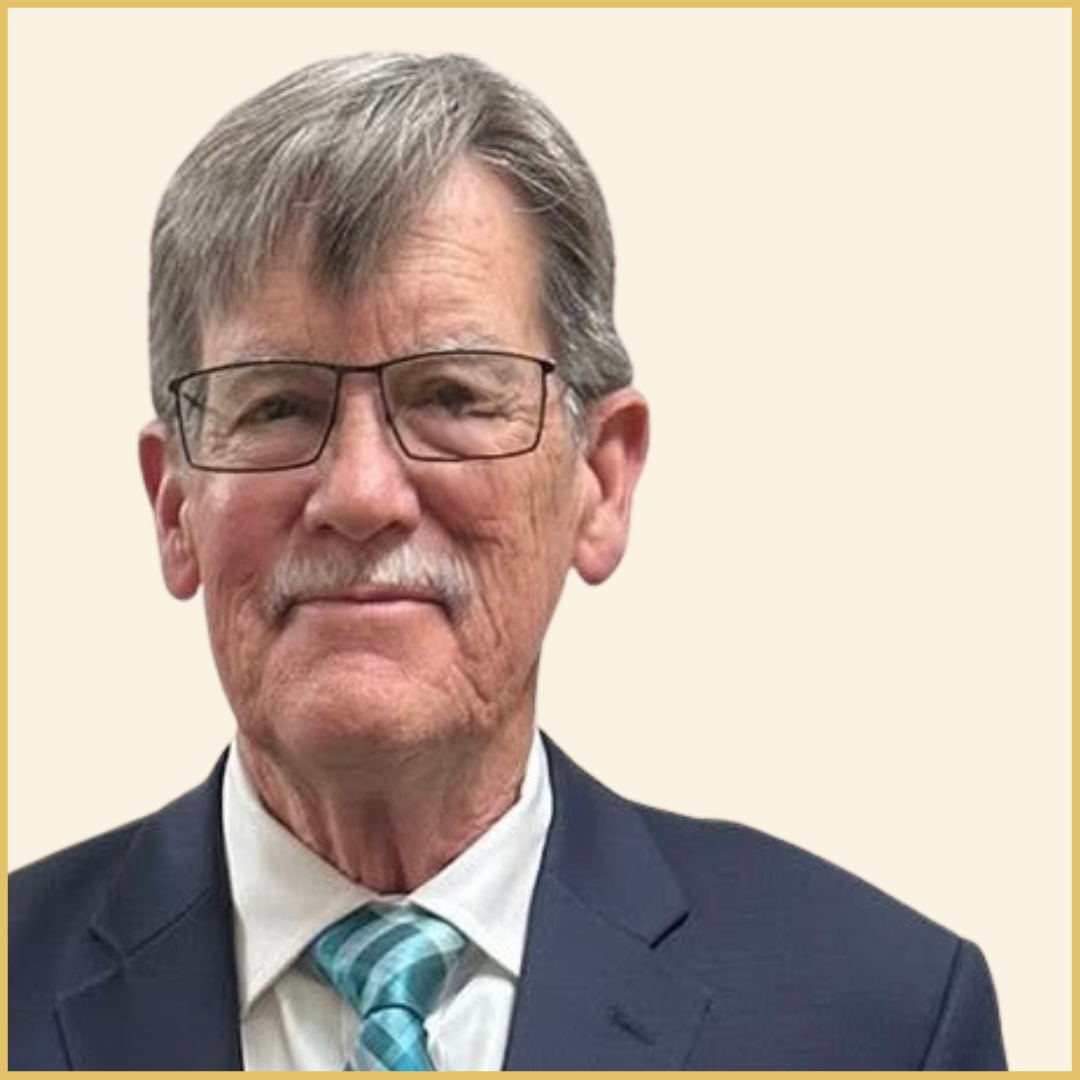
Allan Stevenson
Food Pantry Coordinator
Centreville Methodist Church Food Pantry
Centreville, Maryland
Allan Stevenson has transformed his lifelong passion for gardening into a powerful force for good in Queen Anne’s County. After retiring, he became actively involved with the Centreville Methodist Church Food Pantry, Haven Ministries, and the University of Maryland Extension Master Gardener program. Through this work, he has improved access to healthy food, strengthened local partnerships, and supported neighbors in need. Yet his greatest contribution may be the sense of community he helps create. Allan's servant leadership is a testament to how one person’s passion and commitment can create healthier, stronger, and more connected rural communities.
Tell us about your role and the work you do in rural health.
I coordinate the Centreville Methodist Church food pantry. My role involves procuring food, stocking shelves, organizing volunteers, and managing food distribution in a way that minimizes waste, meets client needs, and fosters a welcoming atmosphere. This is not a career for me, but a volunteer activity. As a former high school teacher and respiratory therapist, I knew that finding a way to feel useful was a requirement of retirement. The food pantry proved to be a watershed moment for me. The inherent goodness of the volunteers drew me in and has remained a source of inspiration. The shoppers have become treasured friends, and together we have become a family of sorts. We do more than provide food—we treat our clients in a way that makes them feel welcome, offering emotional support along with the food they select.
Tell us about the rural community you serve.
Growing up in a small town when Anne Arundel County was still rural, I longed for a place to live and raise my children that had a similar feel. Queen Anne's County has been my home for 47 years, including the past 31 years in Centreville. It has everything I could ask for: friendly people who help their neighbors, a chance to catch fish and crabs, a wide variety of plants and wonderfully wild critters, and plenty of dirt to play in.
What program or accomplishment are you especially proud of?
Another piece of my retirement puzzle fell into place when I enrolled in a Master Gardener class. By the time I completed the course, my involvement with the church food pantry had grown, and I was asked to take over as pantry coordinator. Nutrition educator Tina Squibb began preparing healthy recipes for our shoppers and suggested starting a food pantry garden. The idea soon became a reality with the enthusiastic support of Rachel Rhodes, Queen Anne's County Master Gardener Coordinator. Since then, the garden has grown each year, providing pantry clients with fresh produce, educational materials, and food-preparation tools.
What does “The Power of Rural” mean to you?
The Power of Rural is rooted in tradition, respect, integrity, and valuing things greater than oneself. It is a lifestyle that is a tad slower, where neighbors care for and help one another, including those we may not know. It is a unified force that comes together when the need arises to meet difficult situations.
MAINE
HealthReach Community Health Centers
Waterville, Maine
Administrative Headquarters
In 2025, HealthReach Community Health Centers celebrated 50 years of providing high-quality, affordable health care across rural Maine. The nonprofit opened its first site in 1975 after Bingham’s local physician retired, leaving the community without a primary care provider. Neighbors raised funds and transformed an old house into a welcoming family medical practice, laying the foundation for what would become a network of community and school-based health centers across central and western Maine. Now serving more than 26,000 patients annually, HealthReach’s story is ultimately one of neighbors helping neighbors—and a commitment to ensuring that high-quality health care remains within reach for rural Maine.
Tell us about your organization and its work in rural health.
HealthReach is a Federally Qualified Health Center with 13 sites (in Albion, Richmond, Coopers Mills, Belgrade, Bethel, Livermore Falls, Strong, Kingfield, Rangeley, Bingham and Madison and two school-based health centers in Fairfield and Gardiner) serving communities across 4,500 square miles of central and western Maine. We create access to comprehensive care by integrating primary care, behavioral health counseling, psychiatric medication management, substance use disorder services, dental care, care management, and community support services. Without an organization like ours embedded in the community, many residents would have limited, if any, access to local health care. With 32% of our patients aged 65 or older, having these services close to home is especially important in helping older adults "age in place."
What program or accomplishment is your organization especially proud of?
Addressing the needs of an aging population requires a community-wide approach. We began by developing an internal learning collaborative that brought together medical, behavioral health, care management, patient navigators, and support staff to build expertise in caring for patients with dementia. Through a grant-funded effort, we partnered with an Agency on Aging, the Alzheimer's Association, and other organizations to formalize relationships focused on community-based supports for patients and caregivers. A second grant is helping us create an integrated approach to dementia care by designing service delivery protocols, defining shared workflows, and developing revenue-generating mechanisms. Our goal is to build a lasting collaboration that better supports under-resourced older adults, particularly those experiencing memory loss or dementia.
What lasting impact does your organization hope to have?
In rural Maine, services can be fragmented and difficult to navigate. We hope to create a sustainable support system that connects older adults and their caregivers to the care, resources, and community services they need. We aim to reduce barriers so more people can age safely and independently in their communities. We are hopeful that this might serve as a model for engagement with other health systems.
What does “The Power of Rural” mean to your organization?
For our organization, the Power of Rural is the belief that strong, collaborative relationships and local commitment can overcome barriers that might otherwise limit access to care.
COLORADO
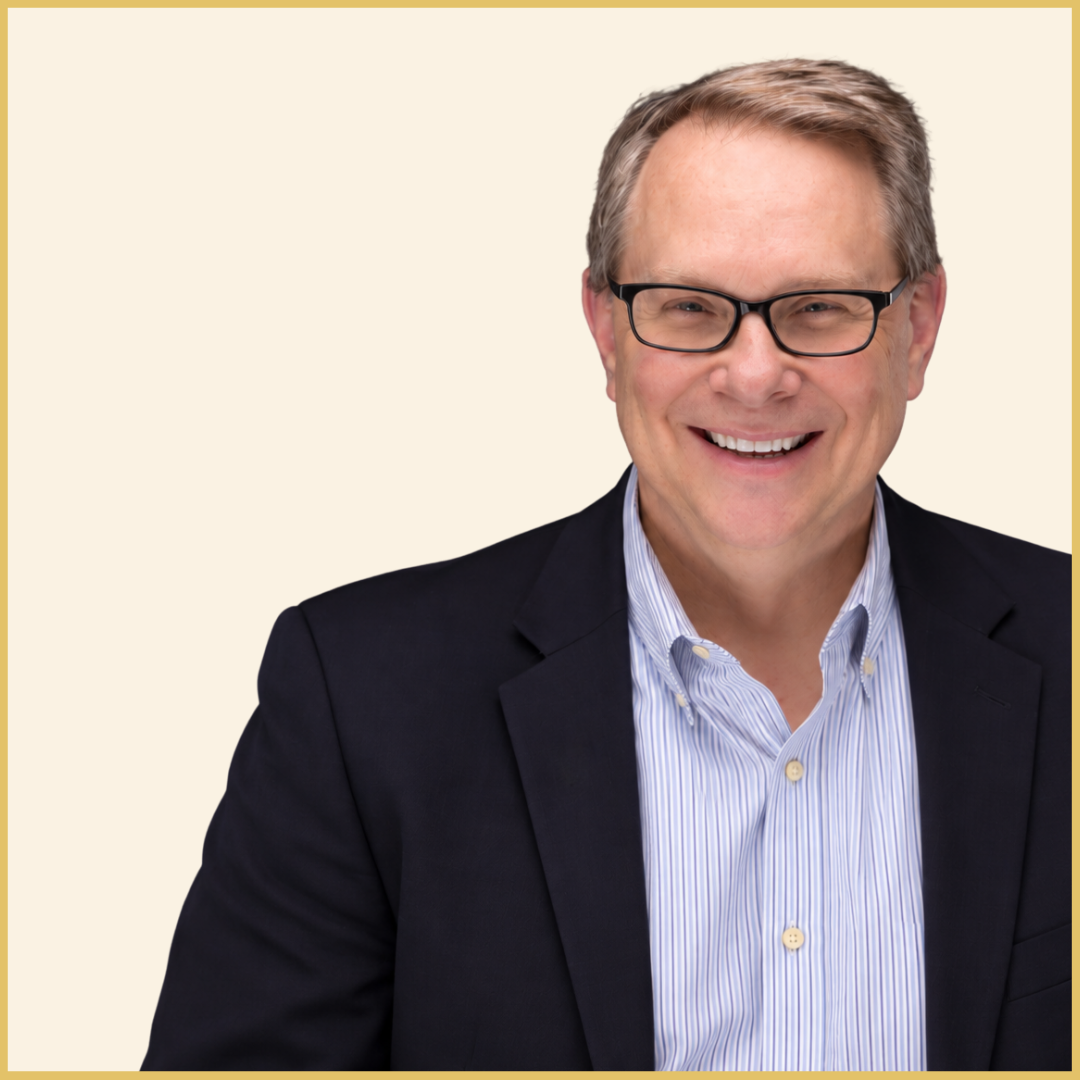
Kevin Stansbury has spent more than 40 years in healthcare administration, bringing his experience, leadership, and voice to some of the most pressing challenges facing rural health care. If there is a conversation about rural health policy, strategy or advocacy anywhere in Colorado—or even the U.S.—you can likely find Kevin there. In addition to his duties as CEO, Kevin is a respected advocate, mentor, and ally to rural health leaders across the state. His collaborative leadership and commitment to improving access have made an impact in his community, throughout Colorado, and beyond.
Tell us about your role and the work you do in rural health.
I have served as CEO of Lincoln Health in Hugo, Colorado, since 2014. It is the hardest job I have ever had, but also the most rewarding. I oversee approximately 180 employees serving an area roughly the size of Connecticut, with only about two people per square mile. We operate four primary care clinics, a hospital, long-term care, home health and hospice services, and a mobile clinic. Our specialty clinic also brings more than 20 specialists to the community. I also participate in state and federal advocacy efforts that help tell the story of the challenges facing rural health care.
What inspired you to work in rural health?
Before coming to Hugo, I worked internationally in emerging economies, helping improve health systems in countries with limited resources. As I learned about the circumstances facing rural health care in the United States, I realized the mission was very similar. I was at a point in my career where I felt ready for the challenge. This community is very special, and the team at Lincoln Health is deeply committed to fulfilling the mission of our small hospital.
Tell us about the rural community you serve.
Lincoln County has about 6,000 residents, while our total service area includes about 10,000 people. The population tends to be older and have lower incomes than the state average, with many Medicare and Medicaid beneficiaries. The community cares deeply about its hospital. In fact, the community literally built it with volunteer labor and donated materials. Construction took approximately 14 years, and the hospital opened in 1959. We continue to serve patients in that same building today.
What program or accomplishment are you especially proud of?
I am proud to have been a founding member of the Eastern Plains Healthcare Consortium, a network of frontier and rural hospitals, and to have helped organize Colorado Rural Futures, which studies the root causes of the challenges these hospitals face and develops policy solutions to address them. These efforts reflect what makes rural communities special: the willingness of people to do the right thing on behalf of the communities they serve.
Describe a particularly rewarding experience or moment in your work.
The most rewarding moments are the calls from patients thanking our staff for saving a life or caring for a loved one. I do this work for many reasons, but the only real reason is to ensure patients know we are here when they need us. We do that in a compassionate, competent way. Always.
CONNECTICUT
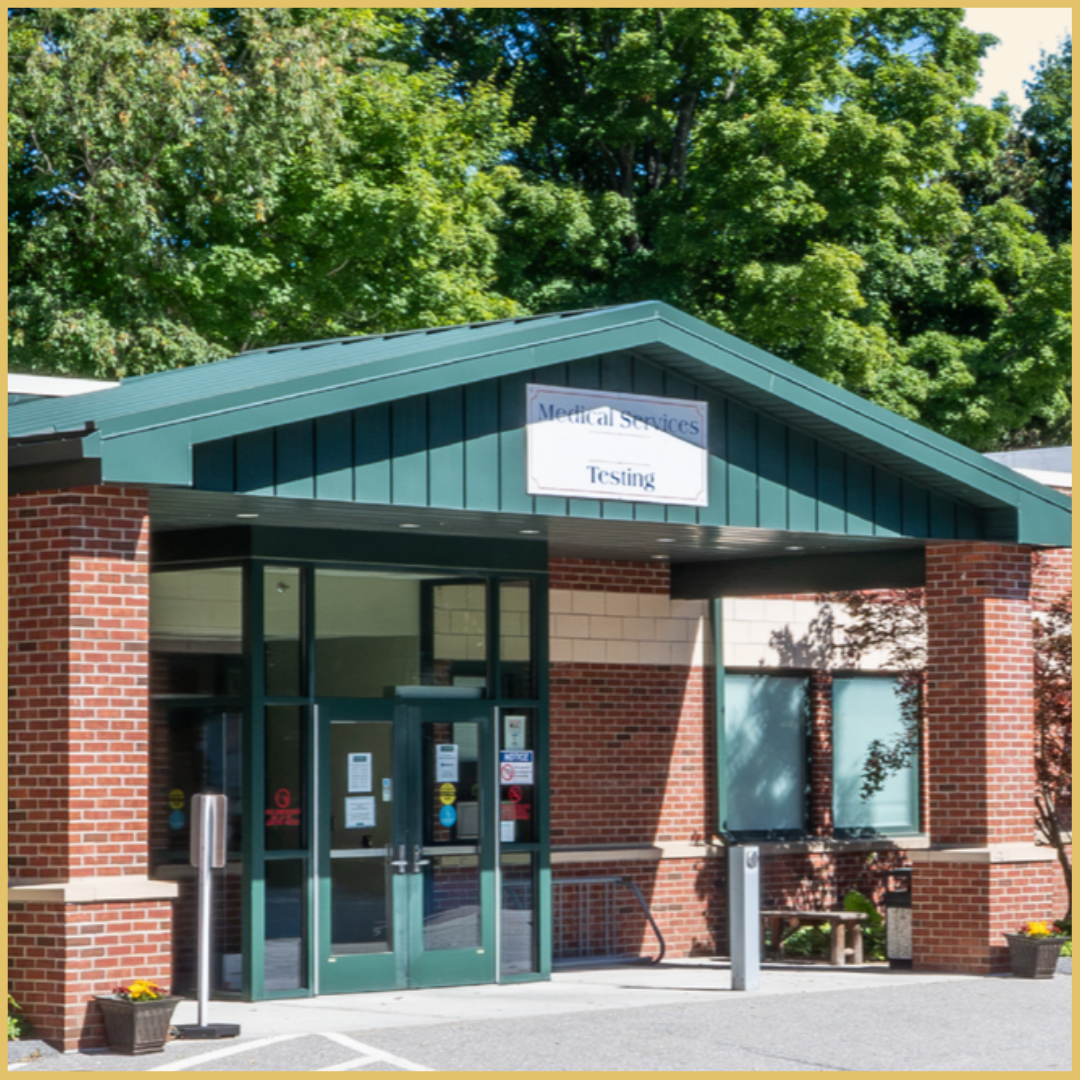
Community Health & Wellness Center (CHWC) was selected as Connecticut's Community Star for its commitment to expanding access to care in the state's rural Northwest Corner. CHWC has grown from one location to three, introduced a mobile medical van, partnered with the Connecticut Office of Rural Health to expand services, and advocated for improved Medicaid reimbursement. Together, these efforts bring care closer to residents who need it most.
Tell us about your organization and its work in rural health.
CHWC is the only Federally Qualified Health Center (FQHC) based in Northwest Connecticut. We provide comprehensive, high-quality, and affordable health care to all individuals, regardless of their ability to pay. In a geographically isolated region, CHWC serves as a crucial safety net for rural residents. We support rural health by breaking down traditional barriers to care—integrating primary care, dental, behavioral health, and enabling services like transportation and outreach under one roof. Our mission goes beyond clinical treatment; we focus on whole-person, community-rooted care that addresses the unique social determinants of health facing rural populations, ensuring every neighbor has access to the compassionate care they deserve.
Tell us about the rural community your organization serves.
Northwest Connecticut is defined by its resilience, deep sense of neighborly care, and rich cultural heritage. What makes our community special is its heart—neighbors truly show up for one another. Serving this community means honoring its independent spirit while building accessible, trust-based healthcare solutions tailored to the rhythms and needs of rural life.
What program or accomplishment is your organization especially proud of?
We are especially proud of our rapid-access integrated behavioral health model, which is designed to reduce wait times for urgent mental health and substance use care. Recognizing that rural isolation can intensify behavioral health crises, we changed our approach to ensure same-day, warm handoffs between primary care providers and behavioral health specialists. By embedding behavioral health clinicians into daily primary care operations and emphasizing team-based care, we have removed administrative barriers and created stigma-free access for patients at the exact moment they ask for help.
Describe a particularly rewarding experience or moment in your organization’s work.
One of the most rewarding moments is hearing a patient say, "I don't know where I would have gone if you weren't here." More specifically, seeing the tangible impact of our outreach and expanded services—such as bringing mobile or co-located care directly into under-resourced towns—has given our team incredible pride. Watching a patient walk through our doors in a moment of vulnerability or health crisis and leave feeling seen, respected, and equipped with a full care plan reinforces why we do this work every single day.
What does “The Power of Rural” mean to your organization?
The "Power of Rural" means strength in connection, resourcefulness, and unwavering community spirit. It is demonstrated when local partners lock arms to solve complex problems, health care is delivered with warmth and dignity, and the community comes together to ensure no neighbor is left behind.
FLORIDA
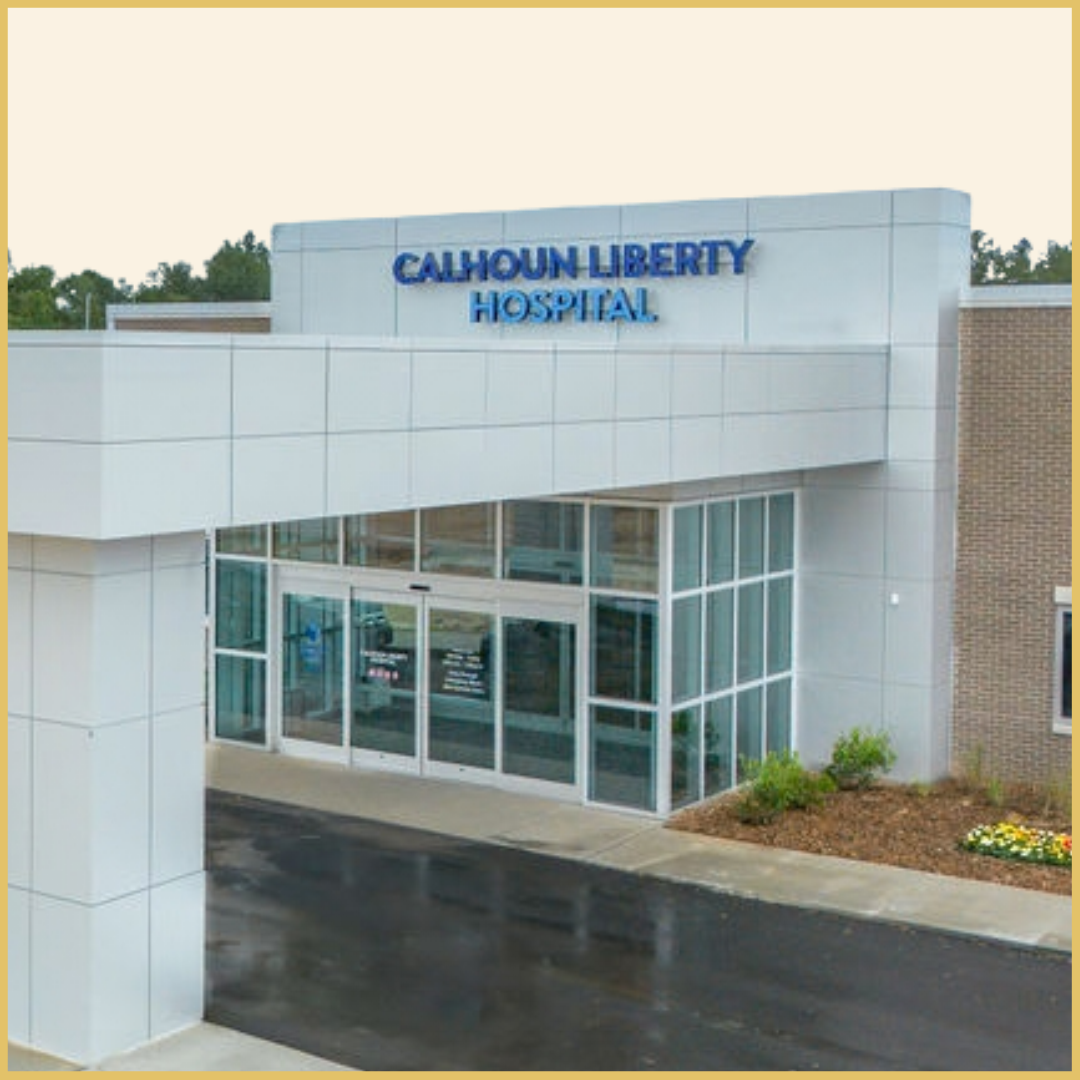
Calhoun Liberty Hospital (CLH) is a shining example of what is possible when a community refuses to give up on local health care. After years of financial and operational challenges—and extensive damage from Hurricane Michael—CLH rebuilt its hospital and expanded access to healthcare services that once required residents to travel long distances. Patients can now recover, rehabilitate, and improve their health while remaining close to home.
Tell us about your organization and its work in rural health.
For 65 years, CLH has served Calhoun and Liberty counties and the surrounding region. As a Critical Access Hospital, we provide 24/7 emergency care, inpatient care, rehabilitation, primary care, diagnostic imaging, laboratory services, infusion therapy, and outpatient services. With no other hospital within 35 miles, local access can mean the difference between receiving timely care and delaying it due to distance or transportation barriers. Through regional partnerships, we are also finding new ways to connect our patients with expertise and resources that no rural hospital could provide on its own.
What program or accomplishment is your organization especially proud of?
In 2026, CLH and our partners received nearly $16 million in first-year funding through three five-year awards from Florida's Rural Health Transformation Program. We are the lead applicant on two awards and a partner on the third. The largest initiative brings together seven independent rural hospitals across Northwest Florida to expand specialty and acute care. Through shared technology and clinical partnerships, patients will have greater access to specialists, mental health counseling and emergency stroke expertise. Other initiatives will bring nurses and paramedics into patients' homes, use remote technology to help manage chronic conditions, and create additional points of care in rural communities.
Describe a particularly rewarding moment in your organization’s work.
Hurricane Michael severely damaged our hospital in October 2018, forcing us to close 60% of the building and operate at approximately 40% of our previous capacity. For years, hundreds of sandbags secured a temporary roof while our team continued providing care around the clock.
We never closed our doors. Employees adapted to limited space and changing conditions because our community still needed essential healthcare services. Hospital leaders, community members and partners worked to secure funding for a replacement hospital. Seven years later, we opened a modern, 50,000-square-foot hospital. The most rewarding part was watching our community walk through the doors and seeing employees care for patients in a hospital that many had fought for years to make possible. That day represented much more than recovery from a hurricane. It meant local health care had a future here.
What does “The Power of Rural” mean to your organization?
To us, the Power of Rural means knowing that being small does not mean we have to work alone or think small. Every rural hospital has strengths, relationships, and expertise that can benefit someone beyond its own walls. It means keeping what is best about local health care while refusing to let geography define what is possible. We can remain independent, community-based hospitals and still build something larger together.
IDAHO
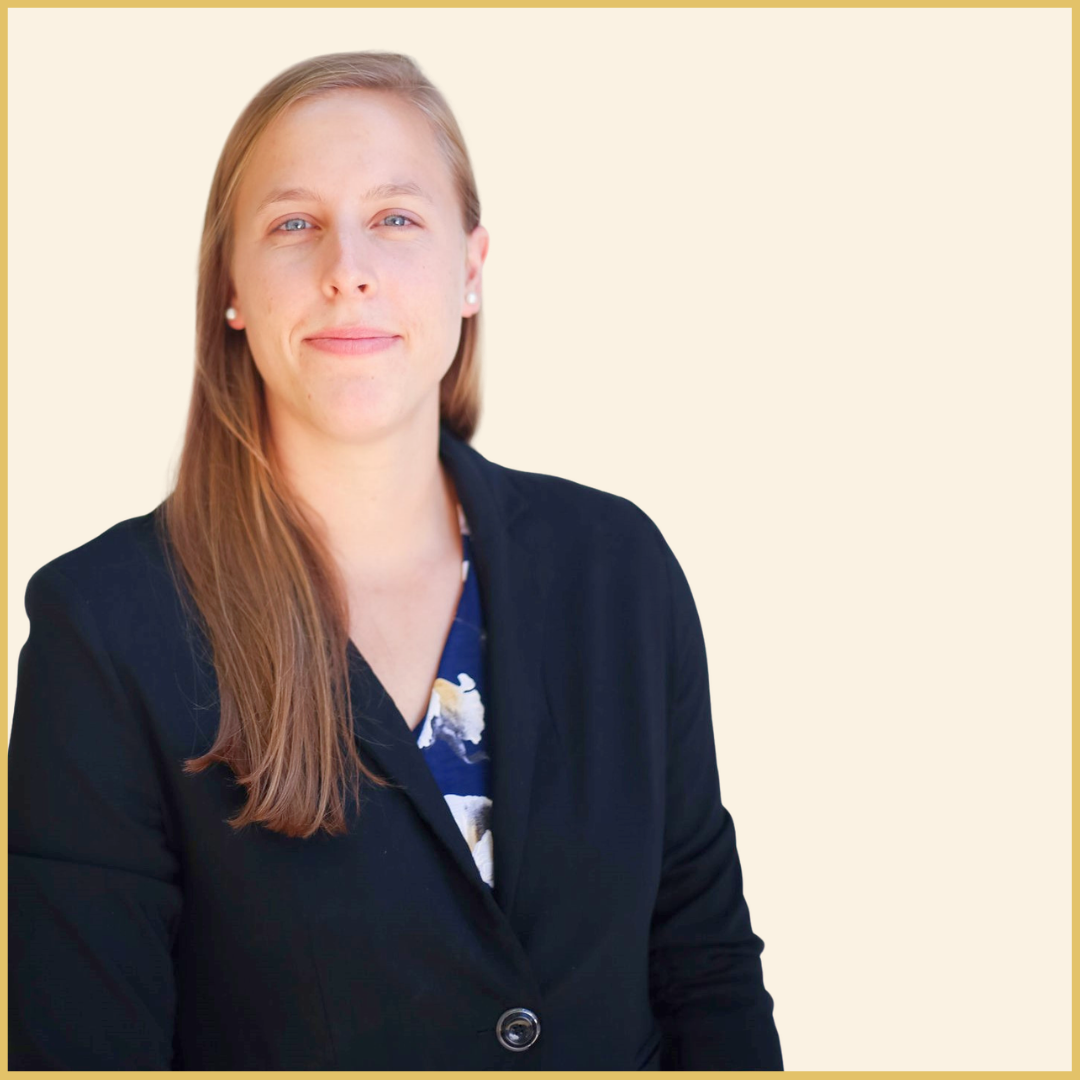
Dr. Mariellen Van Nieuwenhuyzen is Idaho's 2026 Community Star for her commitment to rural family medicine and maternal health care. After completing her residency in Idaho, she chose to build her practice in Emmett, where she provides full-spectrum family medicine. Her commitment extends beyond the clinic through her service on the Idaho Rural Health Association Board of Directors, where she helps advance efforts to support rural healthcare providers and improve access to care statewide. Through her strong leadership and dedication to patient care, Dr. Van Nieuwenhuyzen exemplifies the resilience, compassion, and innovation that define rural health care.
Tell us about your role and the work you do in rural health.
I am a full-spectrum family medicine physician at Valor Health, a county-owned rural health system serving Emmett and Gem County. Valor Health operates the county’s only hospital, a 16-bed Critical Access Hospital. I care for patients of all ages, including multiple generations of the same families. I am on call approximately one week out of every five while also seeing patients in the clinic. Until recently, I also delivered babies at a hospital 25 miles away following the closure of Valor Health’s labor and delivery unit in 2023. I continue to provide prenatal and newborn care in the clinic setting. Rural family physicians wear many hats while caring for the communities where they live and work. It is a special privilege.
What inspired you to pursue your work in rural health?
Growing up, I helped care for my mother, who is severely disabled by multiple sclerosis. As I tried to understand what was happening to her body, I fell in love with science and the uniquely complex ways God designed the human body to work. Growing up on a large family farm also gave me a deep love for rural agricultural communities. As an undergraduate, I shadowed family medicine physicians and was drawn to the variety of care they provided and the idea of becoming an "old-school country doctor." I later completed all my medical school clinical rotations in rural communities. Today, I have the joy and privilege of living and working in a small town and caring for the wonderful people here.
Tell us about the rural community or communities you serve.
Before moving to Idaho, I read Uprooted: Recovering the Legacy of the Places We've Left Behind by Grace Olmstead, whose family is rooted in Emmett. The book drew me to this growing community with its strong community ties and love for the agricultural lifestyle. I hope to help preserve some of this community's heritage while keeping its population healthy and vibrant for years to come.
Describe a particularly rewarding experience or moment in your work.
The greatest badge of honor a physician can earn is when a patient recommends you to their family and friends. In a small rural town where patients are accustomed to seeing the same physicians for decades, building trust takes time. As a newer provider, I am humbled and encouraged by the multigenerational families who have entrusted me with their care and by the patients who drive nearly an hour to see me.
IOWA
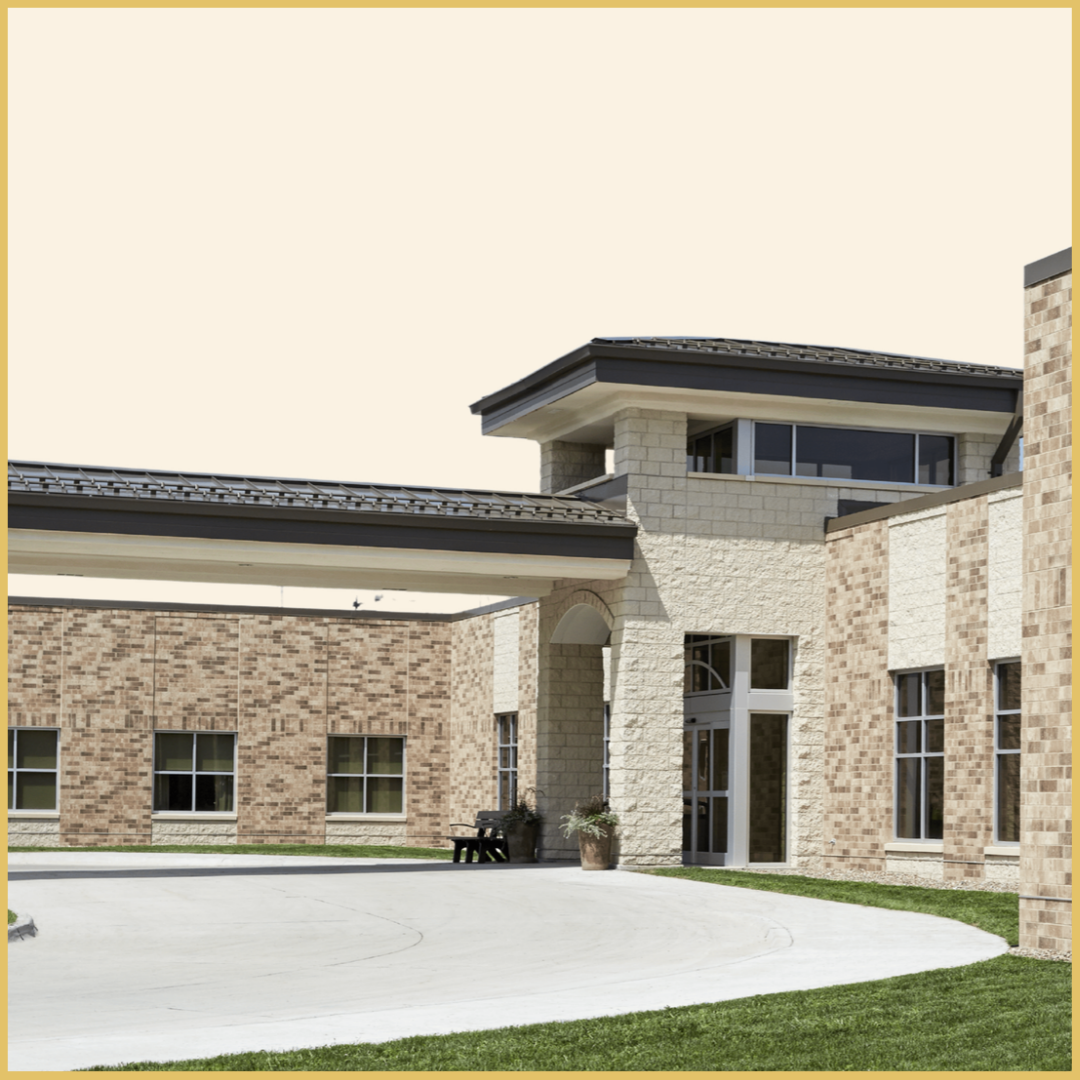
Decatur County Hospital (DCH) is turning some of rural healthcare’s most persistent challenges into practical, community-driven solutions. Its free transportation program has reduced missed appointments by 40%, helping patients reach the care they need. To strengthen its workforce, the hospital built childcare and housing to help attract and retain clinicians. This willingness to listen, collaborate, and invest in solutions designed around local needs makes Decatur County Hospital Iowa’s 2026 Community Star.
Tell us about your organization and its work in rural health.
For 93 years, DCH has served Decatur County, a rural community with fewer than 8,000 residents, and surrounding areas in southern Iowa. Since 2018, we have focused on three major barriers to care identified by our community: limited chronic disease management, limited local specialty care, and inadequate transportation. Our solutions include Community Paramedicine, accredited diabetes education, disease-specific support programs, courtesy transportation, and more than 20 specialty clinics each month. In everything we do, we strive to remove barriers, sustain local care, and help rural residents stay connected to health services in the community they call home.
What program or accomplishment is your organization especially proud of?
In January 2020, DCH partnered with Infinity Health (a local FQHC) and Decatur County Public Health to establish a free medical transportation service. The program later expanded to include transportation to pharmacies, dental offices, and nursing homes. Since its launch, it has provided more than 15,000 rides and traveled over 200,000 miles. We added a second van in 2025 to expand access to patients in neighboring counties.
How do collaboration and partnerships support your organization’s work?
Our strongest partner is the community itself. Our hospital has listened to the community and actively sought to advance their interests in everything we have undertaken. In return, they have trusted and supported us every step of the way. A rural hospital rises or falls based on the support of its local residents, and this is precisely the reason we believe DCH continues to rise.
What lasting impact does your organization hope to have?
As a major employer and a prime economic anchor, our hospital's viability is essential to our community. Our main goals are to provide comprehensive, high-quality care close to home and to ensure the hospital remains viable for decades to come. Our lasting impact will be measured not only by the services we build today, but also by whether those same services are available for future generations.
What does “The Power of Rural” mean to your organization?
For us, the Power of Rural is personal. Our patients are our friends, neighbors, family members, and community partners. Because we are part of the community we serve, we understand that health care is about more than treating an illness; it is about helping people remain healthy, independent, and connected to the place they call home. Most importantly, it reminds us that being rural is not a limitation. It is a strength that enables us to make a meaningful difference in the lives of the people we serve.
KENTUCKY
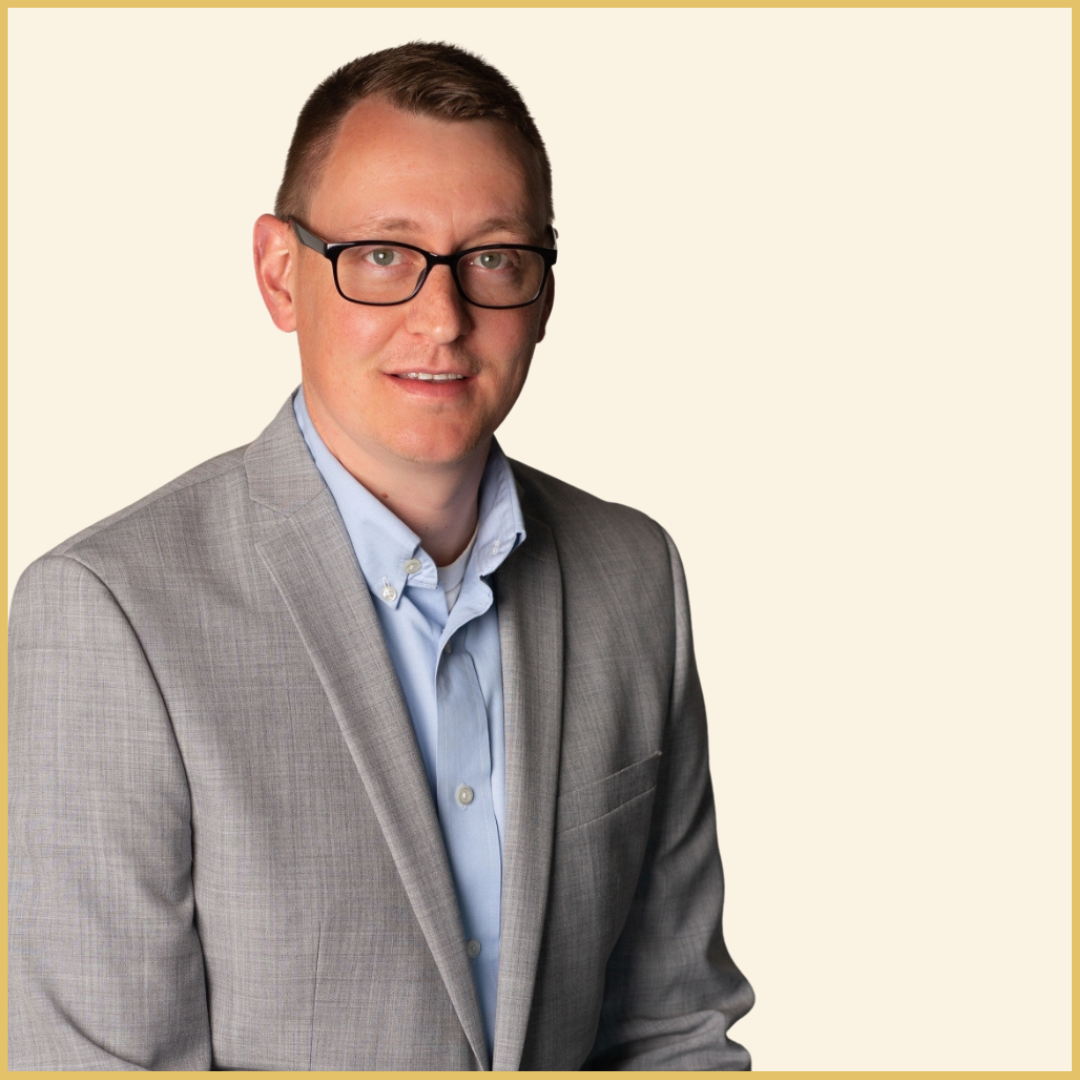
John Holder, BA, CCP, TP-C, NREMT-P
Vice President, Operations / Chair State Board of EMS
For nearly two decades, John Holder has been a driving force in advancing emergency medical services and strengthening rural health care across Kentucky. As CEO of Com-Care Inc., he leads ambulance services across multiple rural counties while helping prepare the next generation of EMS professionals through the Kentucky EMS Leadership Academy. John’s leadership also extends to state and national advocacy. As chair of the Kentucky State Board of EMS and president of the South Central Kentucky EMS Directors Association, he advances policies, partnerships, and initiatives that support rural EMS. He regularly travels to Frankfort and Washington, D.C., to ensure the needs of rural EMS are represented. Through this work, John continues to shape the future of EMS and has made a lasting difference in rural communities across the Commonwealth.
Tell us about your role and the work you do in rural health.
I am blessed with a role that allows me to experience rural health care from many perspectives. As a critical care paramedic, I provide direct patient care in rural communities. As an EMS administrator with Com-Care, I work with a fantastic team to facilitate emergency medical services operations in Logan, Todd, Ohio, and Crittenden counties. I also represent the Kentucky Ambulance Providers Association on the Kentucky Board of EMS, where I get to work alongside some of the best advocates from across the state to regulate and improve care for all Kentuckians.
What program, project, or accomplishment are you especially proud of?
I am especially proud of Kentucky’s recent adoption of advanced practice paramedic certification. In partnership with the International Board of Specialty Certification, we established certifications in Community, Critical Care, Tactical, Flight, and Wilderness Paramedicine. These credentials allow our amazing providers to bring highly specialized expertise directly to ill and injured Kentuckians wherever it is needed.
The initiative was made possible through collaboration with the Office of Rural Health, hospitals, ambulance systems, educational institutions, EMS associations, state and local governments, and many more. We came together and created something novel, vastly improving the quality and access to advanced pre-hospital medical care for the entire state.
Describe a particularly rewarding experience or moment in your work.
Working in a rural community often allows me to interact with people whom I have cared for in the past. Everything we do in health care— from stocking an ambulance to advocating on a national stage—is geared toward helping the individual patient. Seeing the positive impact our team has made is by far the most rewarding part.
What does “The Power of Rural” mean to you?
To me, the “Power of Rural” reflects a combined spirit of resourcefulness and neighborly kindness. It is the determination to stand by one another and find solutions for the rural community. I have witnessed it at work in small towns all across this nation, from responding to natural disasters, tackling public health challenges or overcoming economic adversity. We stand together.
MASSACHUSETTS
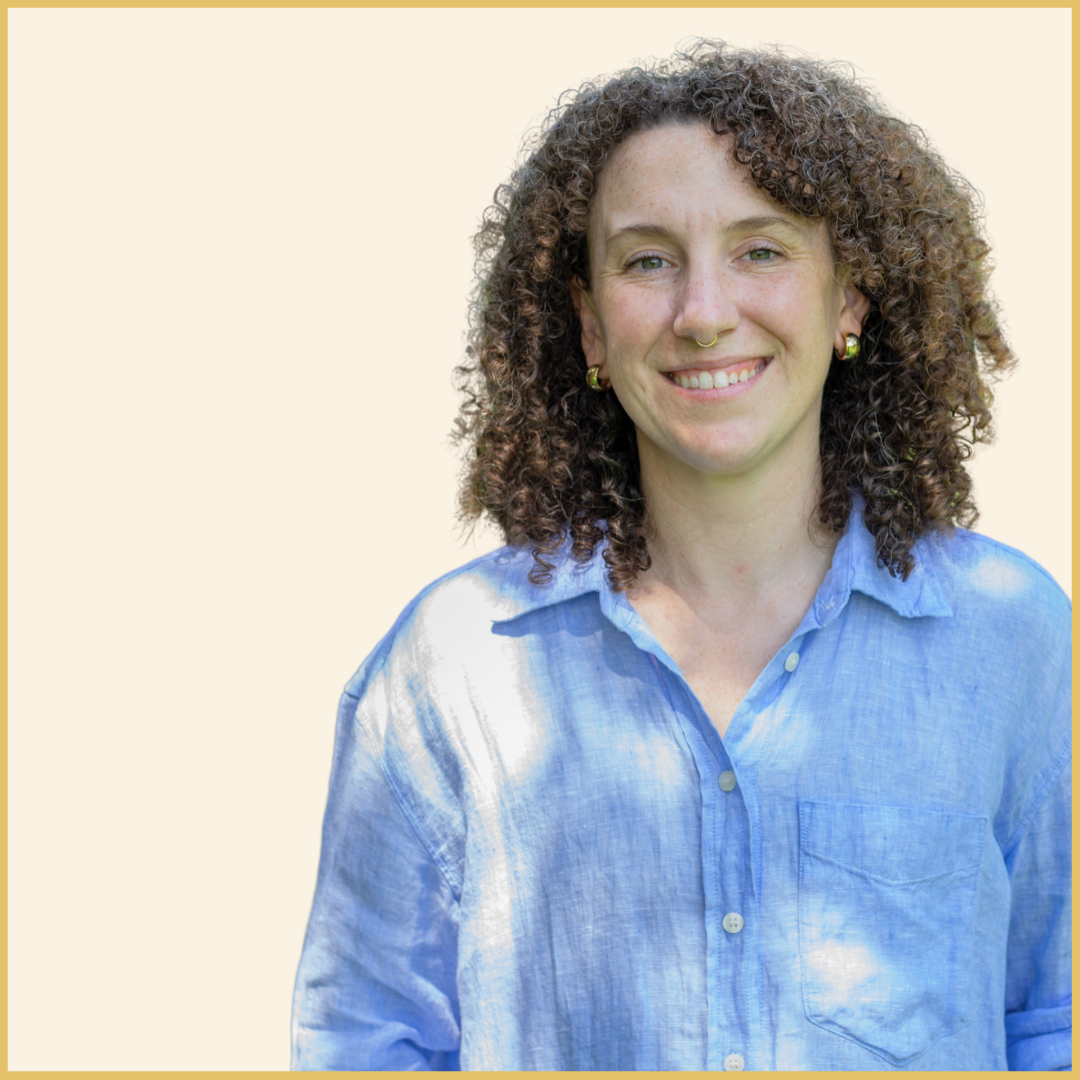
Jen Healy is Massachusetts’ 2026 Community Star for her leadership in expanding transportation access in rural communities. As Rural Transit Program Manager for Quaboag Valley Community Development Corporation, she manages the Quaboag Connector, a transportation service that helps rural residents reach health care, employment, and other essential destinations. She also coordinates the statewide Microtransit Learning Collaborative, bringing together a broad range of partners to exchange information, build networks, and develop innovative models to fill regional transportation gaps. Through her local leadership and statewide collaboration, Jen is demonstrating how creative transportation solutions can improve health and quality of life in rural Massachusetts.
Tell us about the work you do in rural health.
I oversee the Quaboag Connector, a community transportation service aimed at improving health outcomes through accessible, affordable rural transportation. I oversee operations, analyze ride data, work with staff to meet community needs, and write grants to ensure the program can continue to serve the community in a meaningful way. Much of my time is spent working with community partners to expand access for rural residents by tackling transportation challenges in creative, collaborative ways.
What program or accomplishment are you especially proud of?
I am proud of how the conversation around rural transportation in Massachusetts has expanded over the past few years to include more regions of the state and partners from a variety of sectors, including public health, economic development, education, elder affairs, disability advocacy, and more. Providing transportation in rural areas is a unique challenge, but not an impossible one. The Quaboag Connector has helped demonstrate that rural transportation can meet a vital community need while providing a service that people enjoy using.
How do collaboration and partnerships support your work?
The Quaboag Connector began as a public-private partnership between the Town of Ware and Quaboag Valley CDC. This collaboration has been instrumental in building a rural transportation system that works for our community. We also work closely with other municipalities in the Quaboag Valley, healthcare organizations, local councils on aging, the Massachusetts Department of Transportation, the State Office of Rural Health, foundations, and many more. Their funding, advocacy, and collaboration help us sustain the program and reach more residents.
Describe a particularly rewarding experience or moment in your work.
Because we communicate directly with riders, I hear how our service has impacted their lives. Some have shared that the Quaboag Connector was the only way they could get to their dialysis appointments or prenatal care. Others secured stable housing because it provided reliable transportation to work. And, of course, we have seniors who book Saturday grocery trips to pick up healthy food and chat with friends while they shop. Hearing about the impact that reliable, accessible transportation has on rural lives is the most rewarding part of my work.
MICHIGAN
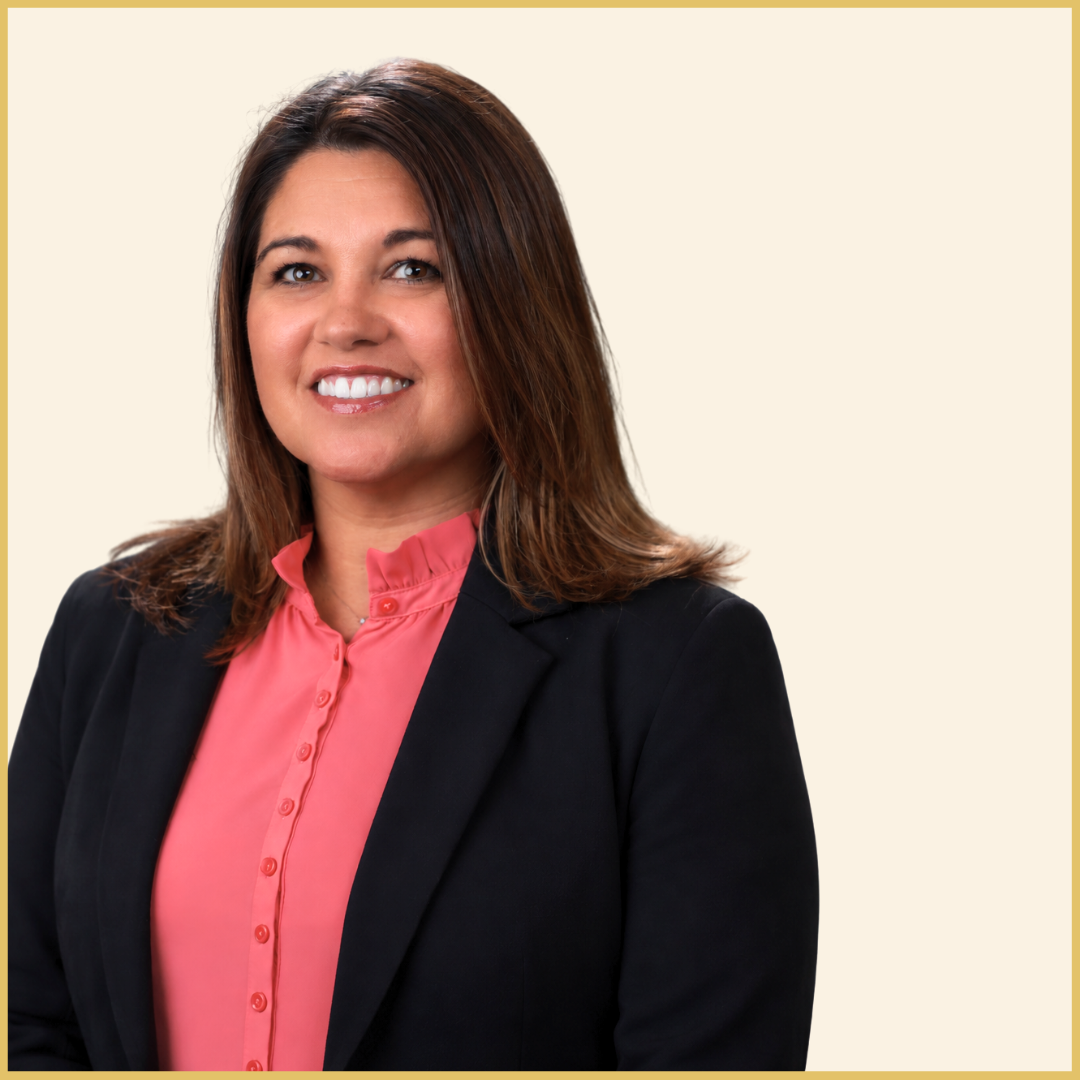
Billi Jo Hennika is Michigan’s 2026 Community Star for advancing rural health care in Sanilac County, the community she has always called home. As Chief Operating Officer of McKenzie Health System, she has helped expand telemedicine, bring MRI services to Sandusky, and advance value-based care and care coordination. She is also playing a pivotal role in developing a new hospital that will preserve local access to care and meet the evolving needs of patients and clinicians. Just as important as what Billi Jo has accomplished is how she leads. She listens, puts people first, and approaches challenges with humility and determination. Her ability to turn collaboration into meaningful, lasting improvements reflects her deep commitment to her neighbors and rural Michigan.
Tell us about your role and the work you do in rural health.
As Chief Operating Officer and ACO Champion, I have the privilege of working with colleagues across the organization, members of our community, and healthcare partners. From new projects to existing services, no two days are the same. McKenzie Health System is often at the forefront of new endeavors, paving the way for population health management and allowing our team to develop programs and services that best serve our community.
What inspired you to work in rural health?
I was inspired by the incredible impact healthcare professionals can have during some of the most vulnerable times in a person’s life. Sometimes you cannot change what someone is going through, but you can change how they experience it. The way you communicate, the compassion you show, and how you make someone feel can have a lasting impact. In leadership, I can help create an environment where our teams provide that kind of care every day—not just for one patient, but for an entire community.
What accomplishments are you especially proud of?
In 2011, McKenzie partnered with Ascension Health to develop a rural stroke network and became an early adopter of telehealth. McKenzie was also instrumental in developing the first rural accountable care organization in 2014 and has continued to transform how health care is designed and delivered. Our successful care coordination program now supports transitional and chronic care management, remote patient monitoring, and connections to community resources. In 2020, our leadership and board committed to replacing our nearly 60-year-old facility. I have had the privilege of playing a key role in planning and developing the new hospital, which is expected to open in late 2027. Each of these efforts reflects our commitment to our community, their needs and bringing services closer to home.
Describe a particularly rewarding experience or moment in your work.
The most rewarding part of working in rural health care is doing this work in the community where I grew up. The people we serve aren't just patients; they are our family, friends, neighbors, and people we see every day. That creates a different level of responsibility, but also an incredible sense of purpose—one that I am honored to be part of.
MISSISSIPPI
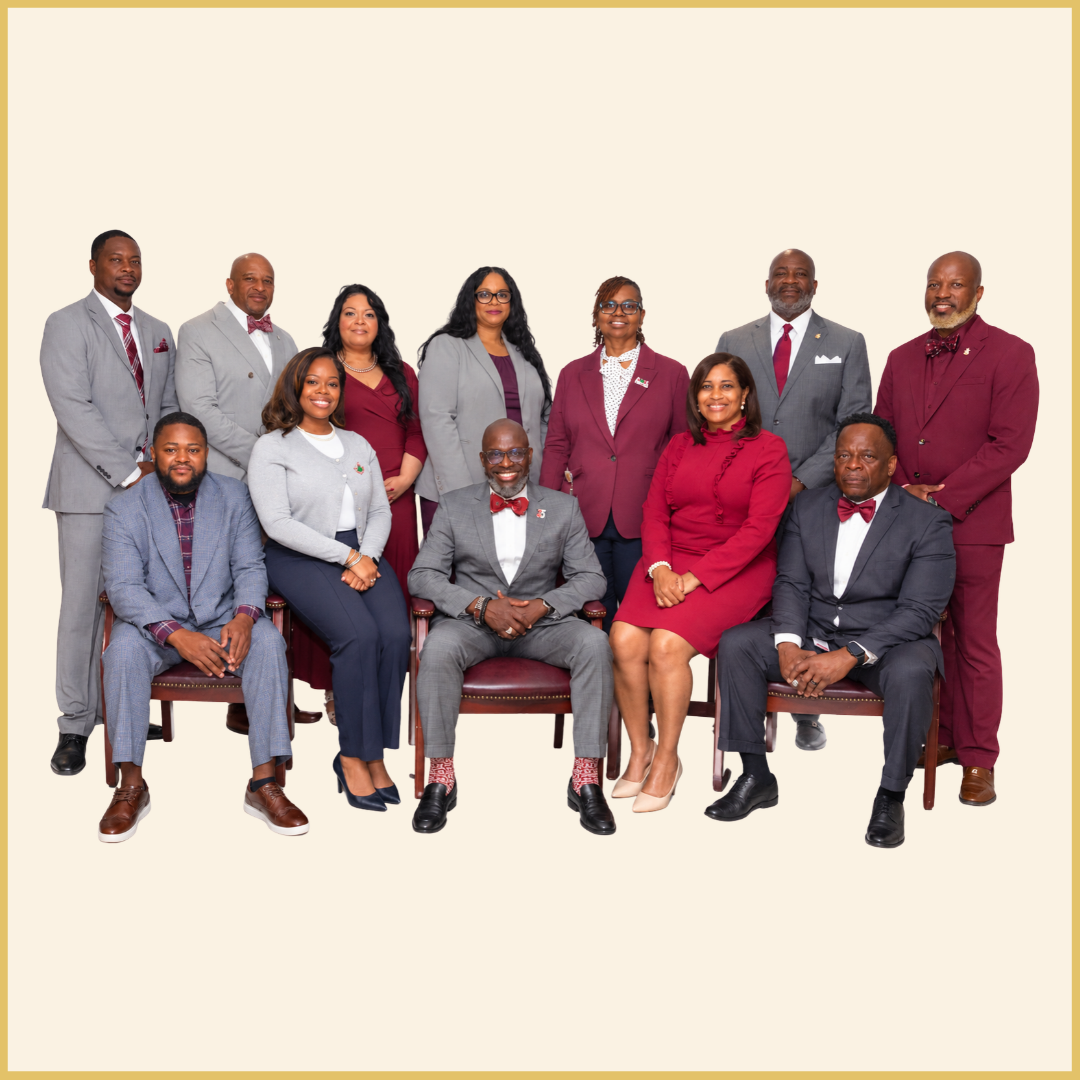
G.A. Carmichael Family Health Center is Mississippi’s 2026 Community Star for bringing health care closer to rural residents across central Mississippi and the Delta. Through comprehensive clinical services, transportation assistance, school-based care, and a growing Community Outreach Team, the organization reaches patients who might otherwise face significant barriers to care. Its ability to listen, build trust, and meet people where they are has strengthened access throughout the region.
Tell us about your organization and its work in rural health.
G.A. Carmichael Family Health Center is a Federally Qualified Health Center that provides comprehensive, accessible, and affordable health care across six counties in rural Mississippi. We support rural health by delivering essential health services closer to where people live, learn, work, and gather. We also connect patients with transportation, food assistance, insurance enrollment, medication support, and other resources that influence health outside the clinical setting. Our goal is to ensure that rural residents can receive high-quality care within their own communities without having to travel long distances or navigate fragmented systems.
Tell us about the rural communities your organization serves.
The communities we serve throughout central Mississippi and the Mississippi Delta face provider shortages, transportation barriers, limited specialty care, economic hardship, and high rates of chronic disease. Yet they are defined by strong family networks, faith-based leadership, a deep commitment to helping neighbors, and remarkable resilience. Residents also bring valuable knowledge and ideas that help us design programs and services responsive to the realities of rural life.
That spirit was evident after a tornado devastated Rolling Fork in 2023. G.A. Carmichael deployed a mobile unit to provide frontline care, assist with emergency prescriptions, and respond to other urgent medical needs. Working alongside families and community partners allowed us to meet immediate health needs while residents focused on rebuilding. The people we serve are more than recipients of health care; they are knowledgeable, resourceful partners in building healthier communities.
What program or accomplishment is your organization especially proud of?
We are proud of the growth of our Community Outreach Team. The program began during the COVID-19 pandemic as a mobile testing and vaccination initiative. We quickly recognized that the model could address a larger, persistent challenge in rural Mississippi: limited access to health care. Rather than scaling back after the pandemic, we expanded it into a permanent outreach strategy. Today, the team brings screenings, preventive services, health education, vaccinations, care coordination, and referrals directly into rural communities. The program’s success is rooted in strong community partnerships and a commitment to meeting people on their terms.
What lasting impact does your organization hope to have?
We are investing in the community’s long-term health by opening a new 23,000-square-foot Health and Wellness Center in Yazoo City. The center was designed to bridge the gap between medical care and wellness by combining comprehensive services with two demonstration kitchens, an indoor walking track, a community education space, and preventive health programming. Patients can receive medical care while developing healthy lifestyle habits and gaining the tools to take an active role in their overall well-being. We hope this work leads to healthier families, stronger communities, fewer preventable complications, and greater confidence in the rural healthcare system.
NEBRASKA
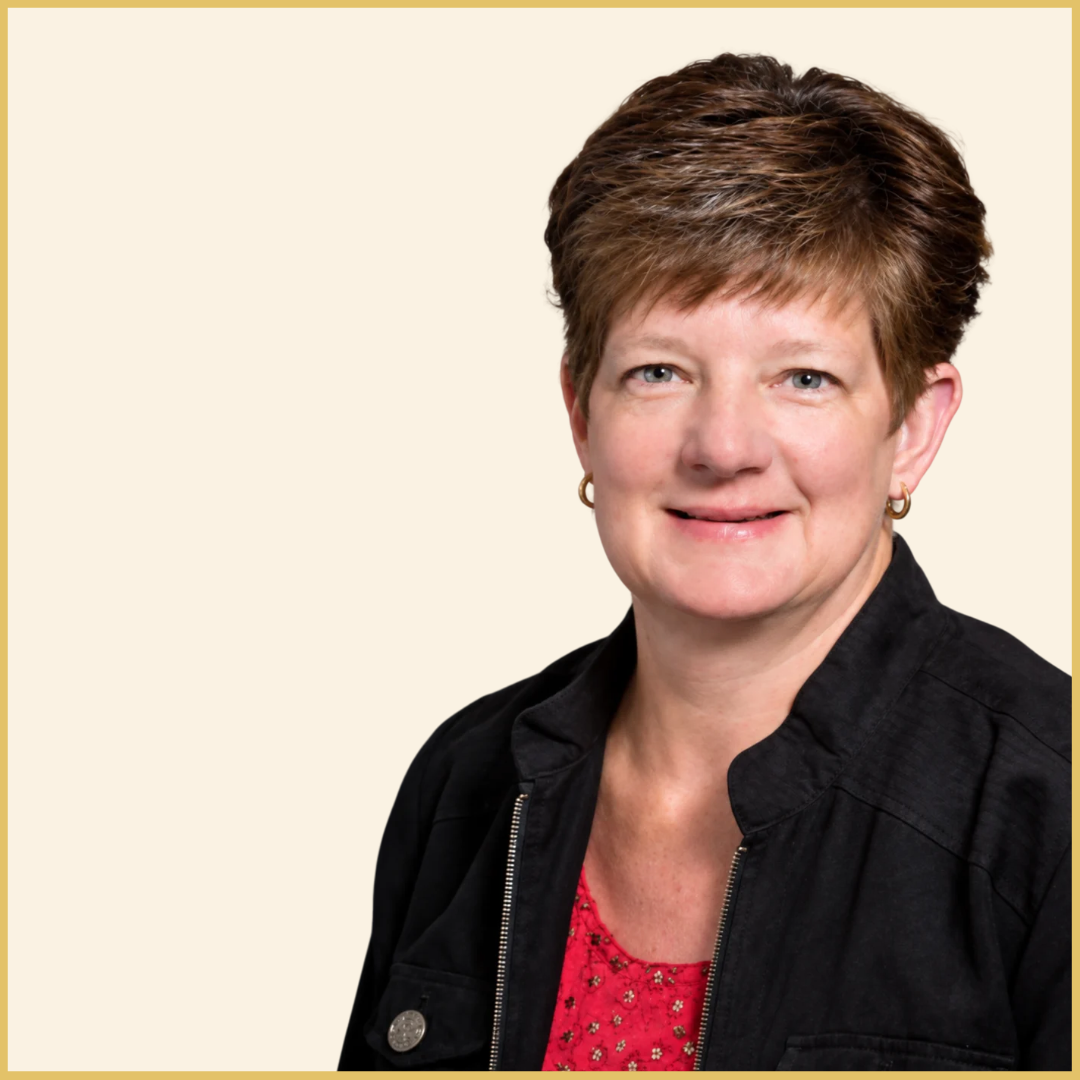
From bedside nursing to statewide rural health leadership, Jayne Van Asperen has spent more than four decades strengthening health care across Nebraska. Her career has included leadership roles in nursing, quality, and organizational improvement within rural and critical access hospitals. At the heart of Jayne’s work is a strong sense of purpose: helping rural organizations succeed while delivering high-quality care close to home. She is especially known for her approach to mock surveys, including a custom assessment tool that transforms survey readiness into a positive, learning-focused experience. Through her experience, wisdom, and compassionate leadership, Jayne has helped shape rural healthcare delivery in meaningful and lasting ways.
Tell us about your role and the work you do in rural health.
I serve as Rural Division Quality Officer at Bryan Health and Critical Access Hospital Network Coordinator for Bryan Medical Center/Heartland Health Alliance. My work ranges from planning conferences and developing clinical education to working with critical access hospitals on quality topics and supporting programs such as Books for Babies and Opioid Stewardship. I also serve on Bryan Health system-wide teams such as the Network Quality Council and the Perinatal Bryan Health team. My role also takes me into the consulting and teaching realm, which I enjoy.
What inspired you to work in rural health?
I am from a rural community. Growing up, I received my health care from our community providers, clinic and hospital. These people were very trusted for what they did and the care they provided. I am passionate about helping ensure that rural Nebraskans continue to have access to that same level of trusted care in their communities. I feel I have a role in helping to make this happen.
How do collaboration and partnerships support your work?
Collaboration is essential to my work. Some of my key partners include the Nebraska Office of Rural Health, the American Hospital Association, subject matter experts across Bryan Health, critical access hospitals, and our Rural Division team. Building these relationships is vital to having access to ongoing learning and growth.
Describe a particularly rewarding experience or moment in your work.
One of the most rewarding moments came after an obstetric and newborn simulation training. A facility later shared that its team had successfully delivered a baby in the emergency room and credited the training with helping staff feel prepared and ensuring they had the necessary equipment and supplies. Knowing that our work is making a difference for patients is what it is all about.
What does “The Power of Rural” mean to you?
To me, the “Power of Rural” means knowing care is available close to home. I see it when I walk through the hallways of Nebraska’s rural hospitals and clinics. It is important to remember and appreciate what we have in and close to our rural communities.
NEVADA
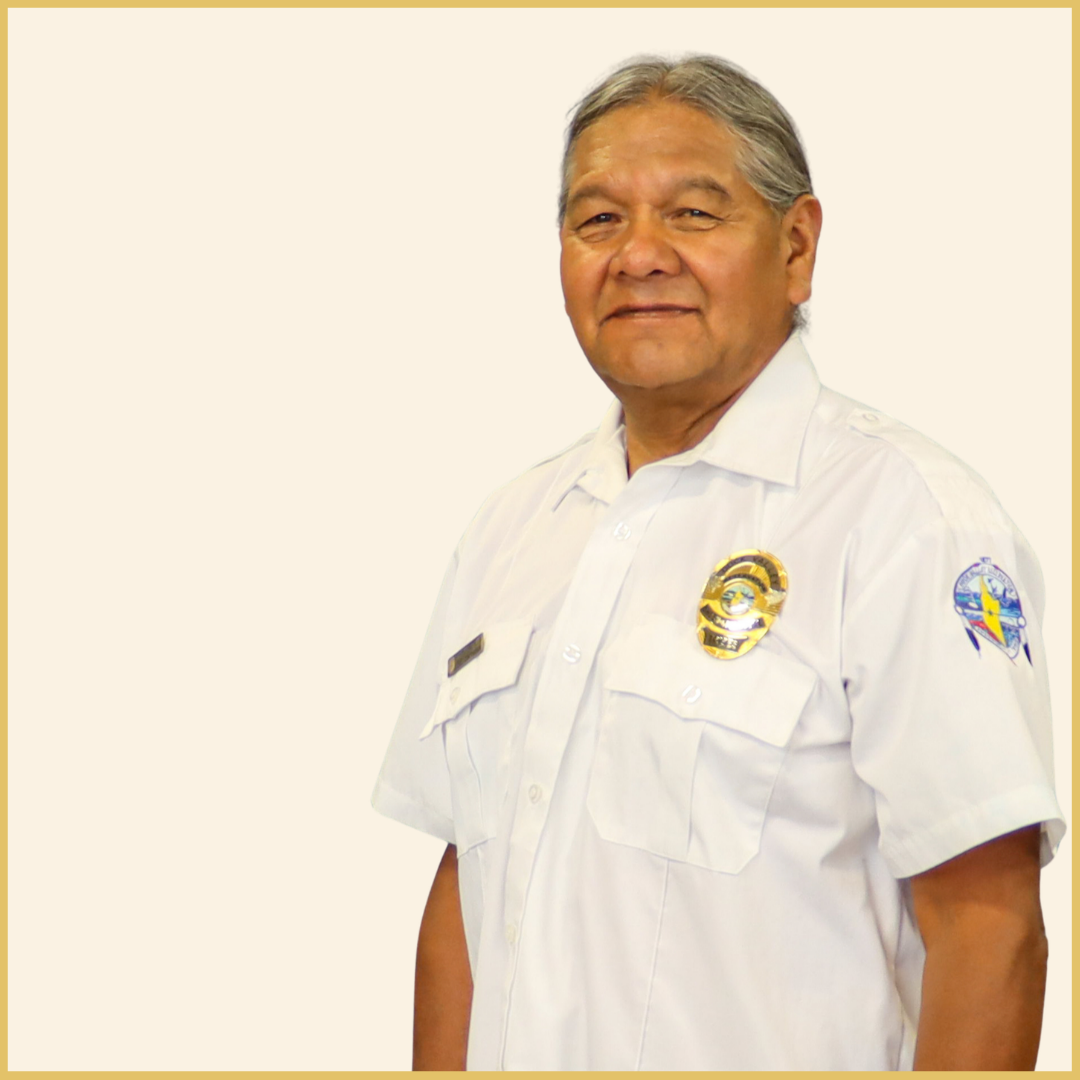
Kenneth Pete
Retired EMS Director
Shoshone-Paiute Tribes DBA Owyhee Community Health Facility
For more than 35 years, Kenny Pete served the Shoshone-Paiute Tribes and the rural communities of the Duck Valley Reservation, with a longstanding commitment to emergency medical services and community well-being. As an Emergency Medical Technician, Kenny responded to thousands of EMS calls across Owyhee, Nevada, and Owyhee, Idaho. Known for his calm, clear-headed approach, he brought steadiness to emergencies and provided direction with confidence and compassion. His reserved, peaceful manner earned him deep trust throughout the community. As EMS Director, Kenny led a team of ten EMTs and served as an EMS Instructor, shaping future responders and expanding the tribe’s emergency capacity. His grant-writing efforts secured new ambulances and essential equipment—critical advancements for a rural community with limited resources. Kenny also donated generously to community causes and volunteered countless hours of overtime, always putting the needs of others first. Kenny’s decades of service, leadership, and character embody the spirit of rural resilience and make him an outstanding Community Star.
Tell us about your role and the work you do in rural health.
I helped the Owyhee Ambulance obtain state licensing in the early 1990s, first at the BLS level and then at the ILS level. As EMS Director, I was responsible for 24/7 scheduling, maintaining state licensure, meeting state ambulance requirements, and ensuring all EMT staff maintained their certifications. We provided ambulance coverage within a 50-mile radius, including southwest Idaho and northeastern Nevada. I also helped teach EMT, CPR, First Aid, Stop the Bleed, and other emergency response courses. Beyond EMS, I worked on disaster preparedness and secured grant funding for pandemic medical supplies. I also served on the Idaho EMS for Children Committee until I retired.
Tell us about the rural community or communities you serve.
The Shoshone-Paiute Tribes of Duck Valley have been my home for most of my life. Approximately 1,800 residents live on the 240,000-acre reservation, which spans Nevada and Idaho. Many are employed by the tribe or the Elko County school district, and many tribal members are ranchers. Duck Valley is 94 miles from the nearest hospital and 150 miles from a trauma center. During the winter, roads can close due to drifting, and air transportation is at times nonexistent. When the Owyhee Community Health Facility closed its emergency room in 2007, the Owyhee Ambulance began transporting 911 calls to other facilities, with transport ranging from 1.5 to three hours, depending on road conditions. Though many people consider the area remote, there are plenty of activities to keep you occupied, provided you like fishing, hunting, hiking, camping, and bird watching (we are a migratory route). I enjoy every aspect of the outdoors, even more so now that I’m retired.
Describe a particularly rewarding experience or moment in your work.
Seeing former students continue in the healthcare field and be successful.
What program or accomplishment are you especially proud of?
Helping get our ambulance state-licensed and maintaining a roster of qualified individuals to provide ambulance service to the area. Through education, our ambulance service has been able to handle a wide range of emergencies and provide the best care possible in a rural environment.
RHODE ISLAND
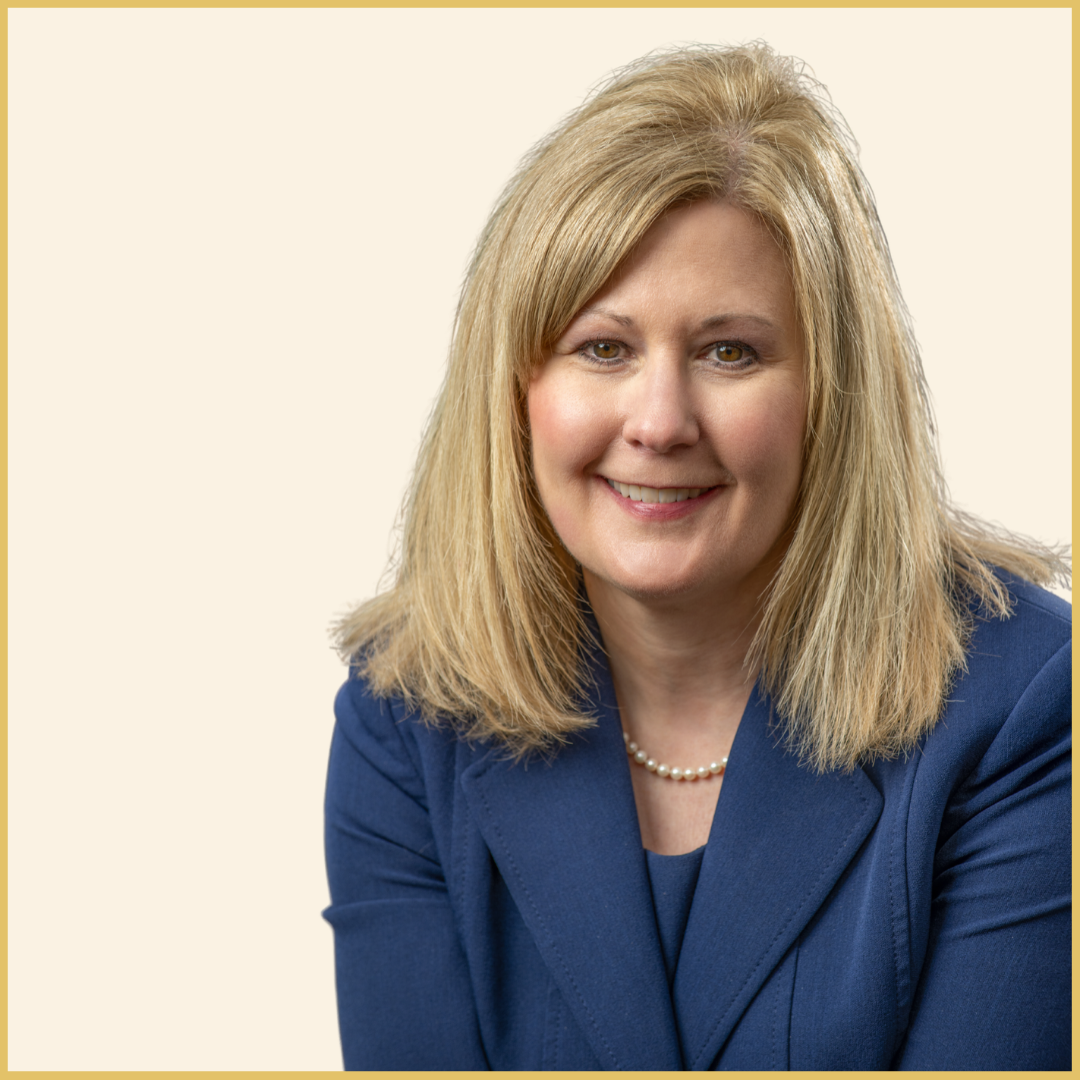
Alison Croke has served as president and CEO of Wood River Health since 2018, leading efforts to expand access to primary care, dental care, behavioral health, and social services across rural Rhode Island. Under her leadership, the organization has expanded its facilities and services, introduced free transportation for patients, and extended dental care to Block Island, where staff travel by ferry or plane to reach residents. Alison’s leadership is grounded in listening to the community and finding practical solutions to barriers such as transportation, cost, and geographic isolation. She is also actively involved in statewide committees and partnerships that strengthen access to care for rural residents.
Tell us about your organization and its work in rural health.
Wood River Health is a Federally Qualified Health Center that has served residents of southeastern Rhode Island and Connecticut since 1976. We care for an economically diverse population, including many individuals and families with limited incomes, making accessible and affordable care essential. I am especially proud that our commitment to high-quality care was recognized by the U.S. Department of Health and Human Services with the Gold Award for Quality in 2023, 2024, and 2025—an honor given to only 10 percent of community health centers nationwide.
What program or accomplishment are you especially proud of?
Wood River Health has served as the backbone agency for Washington County's Health Equity Zone since 2023. A grant focused on substance use recovery allowed us to hire two peer recovery specialists who meet residents where they are, help develop person-centered recovery plans, and connect them with treatment and support. Their outreach has extended to Block Island, where they are developing services tailored to island residents. We also launched a free van transportation program in 2023 to address one of the region's greatest barriers to health care. The program brings patients to appointments in Westerly and Hope Valley.
What lasting impact does your organization hope to have?
Our vision is for every member of our community to experience physical, emotional, and social well-being. For some, this means receiving important screenings such as mammograms and colonoscopies. For others, it means finding support through grief, trauma, or depression. Every person has unique needs and a story of their own. Our role is to treat each patient with dignity and respect while creating a care plan that supports their individual needs and goals.
What does “The Power of Rural” mean to you?
Rural residents face challenges that have strengthened their resilience and created a strong sense of community support. In the small towns we serve, neighbors help neighbors every day. When our organization has faced financial challenges, the community has stepped up by donating time and resources to help sustain us.
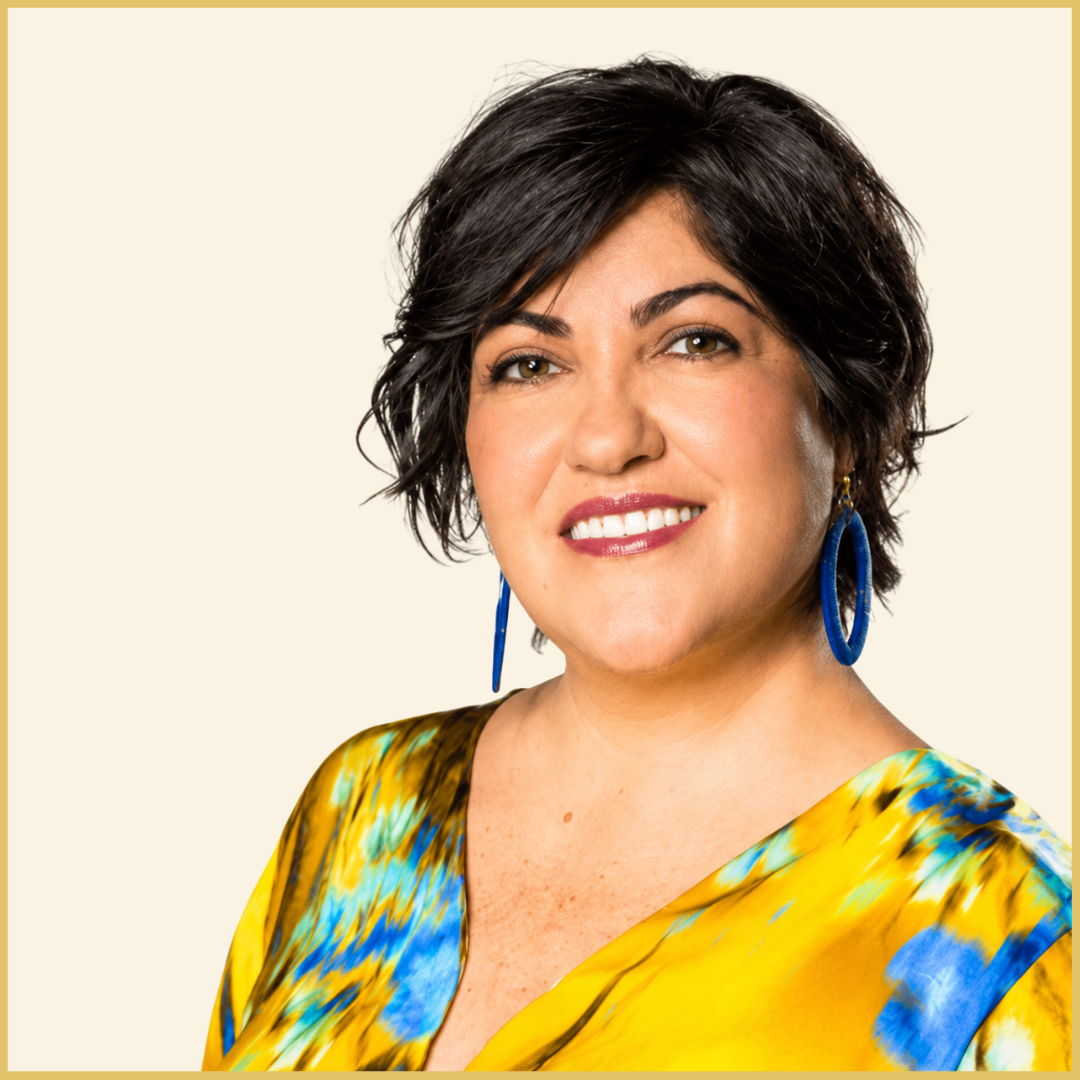
Our work connects care and opportunity across seven rural South Jersey counties through bilingual providers, flexible hours, and in-home and community-based support. Therapy, crisis support and family coaching, strengthen well-being and practical skills. Positive youth development nurtures belonging, exploration, and growth; workforce pathways connect these capacities with meaningful work. Knowing rural youth’s complex needs call for creative coalitions, we cultivate relationships rooted in compassion, flexibility, and collaboration, with caregivers, schools, employers, and community organizations, that expand support and possibilities for children, youth, and their families.
Living and working in rural South Jersey and as an immigrant and a child of deaf parents, I have known both the challenges and the tremendous strengths and possibilities within the community. Many of the families we serve experience poverty, discrimination, language barriers, and challenges related to immigration status. Yet they demonstrate remarkable resilience, resourcefulness, and commitment to their communities. Their determination—and the realization that access to culturally responsive care could make a profound difference—inspired me to help create systems that recognize these strengths while addressing barriers. My work is guided by the belief that everyone deserves opportunities that support health, healing, and well-being, regardless of where they live.
I’m especially proud of our workforce development program, Seeds to Skills, which is built on the belief that healing and opportunity must go hand in hand. We designed it as a connected pathway that helps youth heal, grow, and contribute. The program combines therapeutic support with positive youth development programs, helping participants build confidence, social skills, leadership, and a sense of purpose. Workforce development, apprenticeships, educational support, and career readiness experiences help them translate those strengths into meaningful employment and community contributions. Seeds to Skills represents what rural health is truly about: not simply treating problems, but creating pathways that allow young people to heal, succeed, and strengthen the future of their communities.
One of the most rewarding parts of my work has been helping expand the bilingual behavioral health workforce in rural South Jersey. We created pathways into the profession for individuals seeking a new beginning, including workers who lost jobs in the casino industry and families who relocated to New Jersey from Puerto Rico following Hurricane Maria. Through training, mentorship, supervision, and professional development, they became skilled professionals who now provide culturally and linguistically responsive services to children and families across the region. This work addresses workforce shortages, creates economic mobility, and improves access to care. Seeing former participants become providers who help the next generation heal and thrive has been one of the most fulfilling experiences of my career.
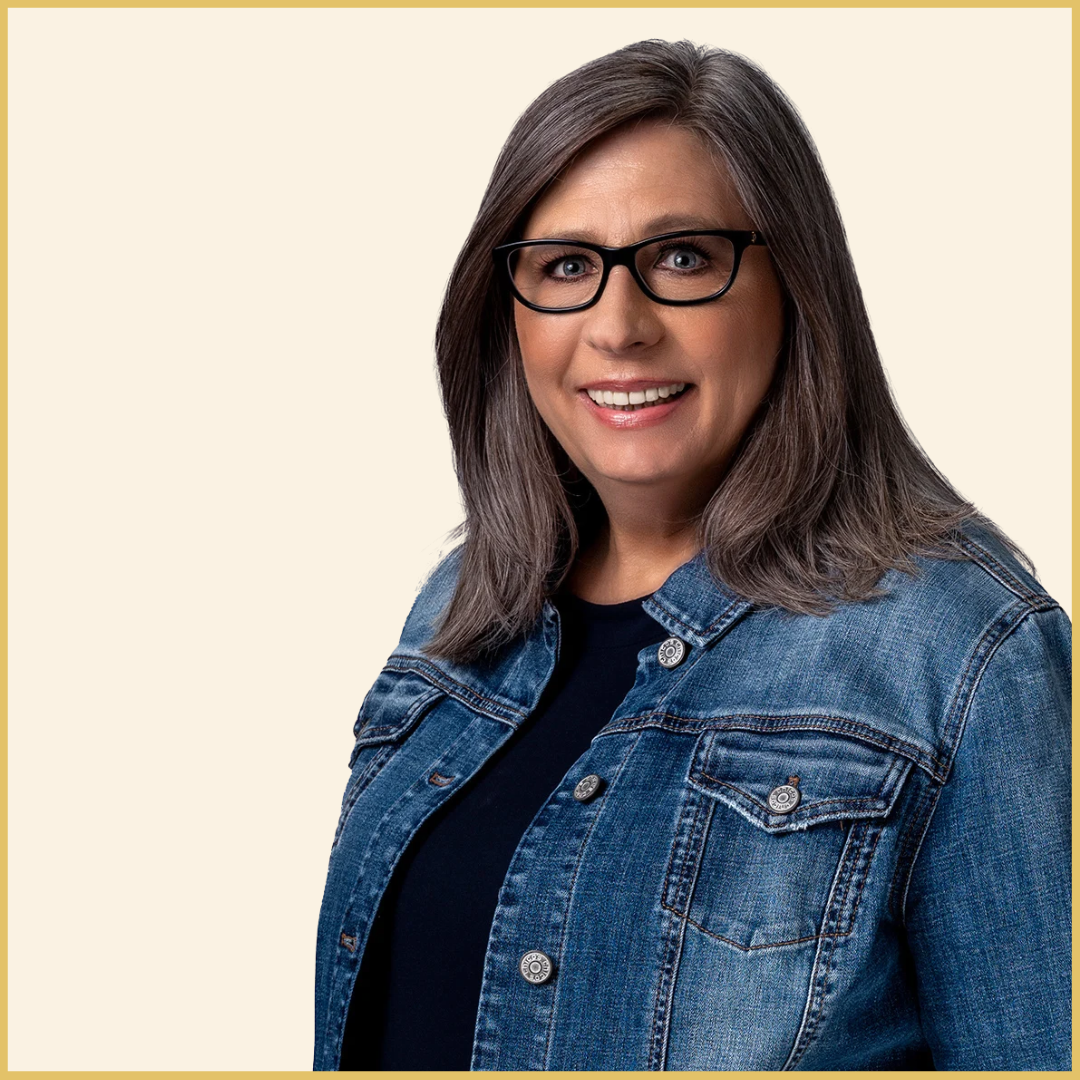
My role in rural health is both simple and incredibly broad: I take care of my patients and help make sure our clinic is here for them today, tomorrow, and for generations to come. As a physician assistant, I care for patients of all ages, providing routine and preventive care while managing chronic conditions and acute illnesses. In rural health care, you quickly learn that you cannot always specialize in one area; you must be willing to meet your patients wherever their needs take you. Because specialty care can be hours away, we provide as much care locally as possible and help patients navigate services outside the community when needed.
My family inspired me to pursue rural health. I watched my brother build his medical practice in a rural community and saw the difference he made in the lives of the people he served. At the same time, I was looking for a smaller community where I could raise my daughters and be part of something meaningful. Working alongside my brother in Sudan gave me the opportunity to do both. Over the years, our family has cared for multiple generations in this community. Now, both of my daughters have chosen careers serving medically underserved populations, with one working alongside me in our practice. It is incredibly rewarding to see that commitment to caring for others continue into the next generation of our family.
I am proud of our participation in the Rural Healthcare Provider Transition Project (RHPTP) through HRSA’s Federal Office of Rural Health Policy. As a small, independent Rural Health Clinic, we were passionate about providing high-quality, patient-centered care but wanted to better understand how to put value-based care into practice. Through coaching, education, and guidance from experienced rural health professionals, we learned how quality, efficiency, patient experience, and patient safety could be incorporated into the way we operate our clinic. It showed us that a small rural clinic can embrace value-based care without the resources of a large health system. It also helped us become a Patient-Centered Medical Home, formalizing our approach to care coordination, quality improvement, patient engagement, and keeping patients at the center of everything we do.
One of the most meaningful parts of rural health care is watching the light bulb finally click for a patient. Sometimes patients have been labeled “noncompliant” without anyone taking the time to understand them as a person. When we slow down, listen, and get to know them, we can make individualized recommendations that fit their lives. Seeing patients understand why a change matters and take ownership of their health is incredibly rewarding.
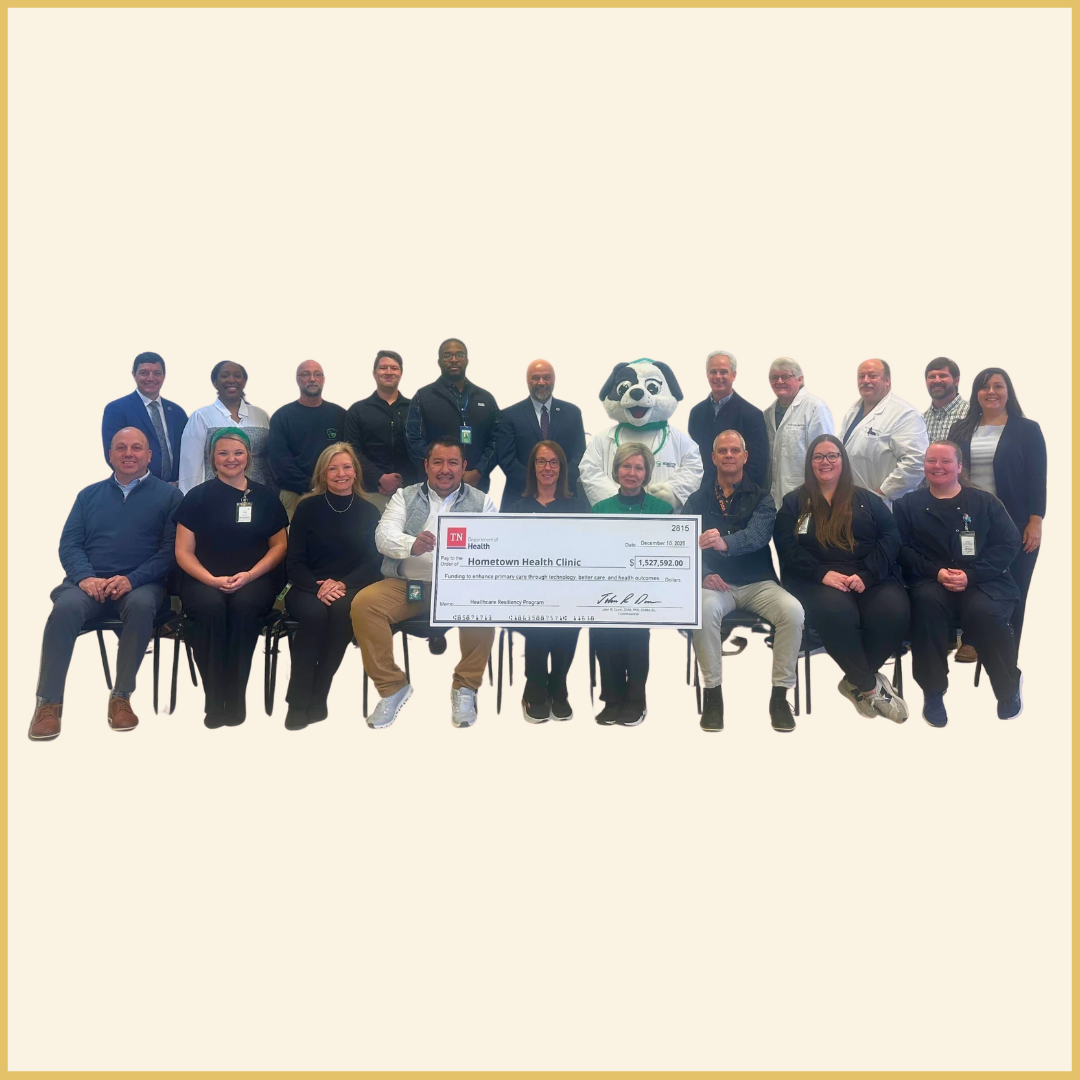
Hometown Health Clinic is a private, physician-owned rural healthcare organization that has served rural West Tennessee for more than 40 years. We operate 10 Rural Health Clinic locations across Benton, Carroll, Gibson, and Weakley Counties, providing primary and preventive care, chronic disease management, integrated behavioral health services, care coordination, and outreach. Many of our providers and associates live in these communities, and our patients are our friends, neighbors, and family members. Our mission, “Our family taking care of your family,” reflects the personal way we approach our work and care for patients throughout every season of life.
Through the Tennessee Department of Health’s Healthcare Resiliency Program, Hometown implemented Transforming Care, Transforming Lives, a locally driven initiative designed to engage approximately 20,000 rural West Tennesseans who were not actively participating in primary care. The program helped us shift from predominantly reactive, clinic-based care to a more proactive, coordinated, and community-centered model. We expanded Chronic Care Management (CCM), improved digital access, implemented a diabetes registry, strengthened our use of Epic Community Connect, and used data to identify patients needing additional care or follow-up. New patient visits increased by 21%, 785 patients enrolled in CCM, and the number of patients missing needed diabetes care decreased by 107. Self-scheduled visits increased by 619%, making it easier for patients to connect with a provider at a convenient time and location. Our team and community partners embraced new approaches while remaining focused on the individual needs of our patients, using technology and data to support—not replace—the personal relationships at the heart of rural health care.
One meaningful example came through our Breakfast Club, a weekly gathering where senior adults enjoy breakfast, light fitness, memory activities, and time with others. One participant, a widower, told us, “It gets me out of the house, and it gets me to meet people. I look forward to it every Monday.” His words remind us that improving health can also mean creating a place where someone feels welcomed, connected, and less alone.
The Power of Rural is more than a phrase—it is what helped us rebuild when our foundation was shaken. When our local hospital closed in 2018, our community lost vital services. During that same difficult season, our managing partner passed away, and we faced significant operational challenges. To remain viable, we had to reduce our workforce from more than 300 employees to approximately 80. It was a painful time for our organization and community. Yet, the Hometown team came together to rethink operations, rebuild services, and continue caring for the people who depended on us. Today, Hometown has grown to 10 clinic locations and 121 associates. That journey is the Power of Rural in action.
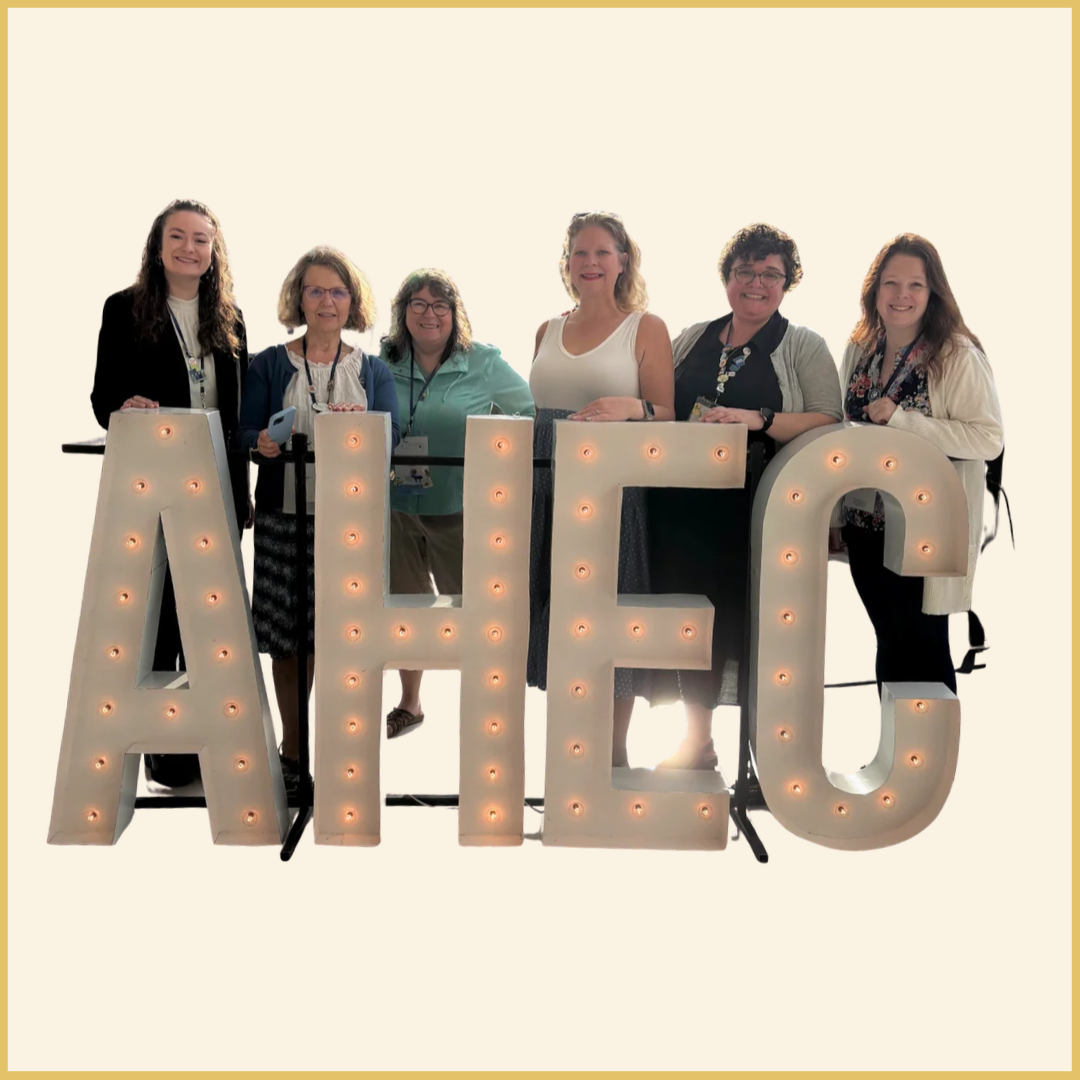
The NH AHEC Network operates as an academic-community partnership, ensuring that program activities reflect community needs and interests. Our program focuses on statewide priorities, while two regional centers, the Northern and Southern NH AHECs, respond to community needs. Northern NH AHEC serves the four counties of the North Country, and Southern NH AHEC serves six counties in the Southern Tier.
We introduce youth to health and public health careers, expand community-based and rural clinical training, and provide continuing education for practicing professionals. Our recruitment, retention, and quality improvement efforts help build a highly trained, patient-centered workforce. We also support behavioral health, substance use disorder treatment, recovery services, community engagement, and team-based care through initiatives such as the Rural Communities Opioid Response Program (RCORP) and Community Health Worker training and certification.
The NH AHEC Network has been a leader in developing New Hampshire’s Community Health Worker (CHW) workforce. Southern NH AHEC has offered CHW core competency training since 2013, and Northern NH AHEC has offered it since 2017. Together, the centers recruit, train, and enhance the skills of CHWs across the state. Working with the New Hampshire Workforce Coalition, we helped advance CHW certification by training CHWs on how to tell their stories, educating stakeholders about their value, creating networking opportunities, and promoting team-based care. New Hampshire approved CHW certification in July 2024, and applications opened in April 2025. To date, 137 CHWs have been certified.
With fewer than 10 full-time employees serving the entire state, partnerships are essential to our work. We collaborate across education, health care, public health, and community and social services to connect students and professionals with resources and opportunities. These relationships allow our small but mighty team to extend its reach and support communities throughout New Hampshire.
NH AHEC takes great pride in its North Country Scholars Weekend. During this rural immersion experience, students shadow health and human service professionals, learn about rural populations, meet practicing professionals, and complete a community service project. Their feedback reinforces that experiential learning can cultivate interest in serving rural populations.
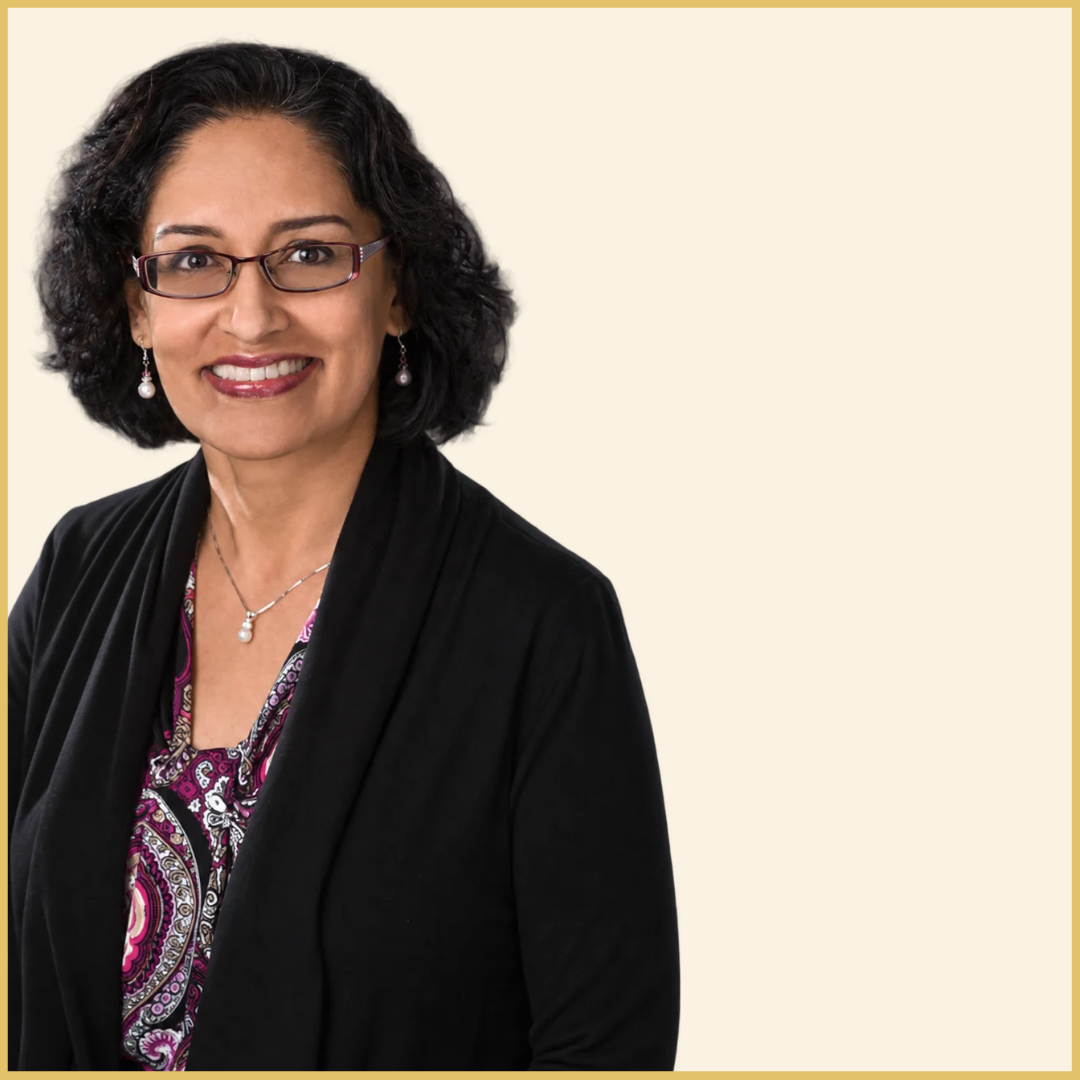
I am the founder and medical director of Valley Diabetes & Obesity in Modesto and, to my knowledge, the only fellowship-trained and board-certified diabetologist practicing in California's Central Valley. I care for patients with complex conditions caused by diabetes and obesity. Nearly half of our approximately 2,400 patients live outside Modesto in 80 communities across four counties. My patients include farmworkers, small-business owners, and members of multigenerational families, many of whom travel from smaller farm towns with no specialist of their own. I speak English, Spanish, Punjabi, and three other Indian languages, and I use every one of them. Speaking with patients in their own language builds trust and helps them share more openly.
When I came to Modesto more than 20 years ago, I found a predominantly rural region with limited specialty care and some of California’s highest diabetes rates. Adult diabetes prevalence in Stanislaus County has reached 14.2%, above the state average. Patients were managing a serious, progressive disease while also facing barriers to care. I realized the need was a reason to stay, not a reason to leave. Good diabetes care early can change the next 30 years of someone's life. I wanted to be the person who made that care available through my practice.
I am most proud of turning my independent practice into a teaching site for the region's future health care workforce. During the pandemic, when many clinical sites closed their doors to students, my practice signed training agreements with Samuel Merritt University, CSU Stanislaus, and Touro University California. We provide this training without charging the universities because the payoff is worth it. Students gain hands-on experience with the patients and conditions they will encounter when they practice here. The program is successful because I treat every student as a future colleague, not an observer. I wanted to show that a community practice can provide advanced training in a region no academic center reaches. One specialist cannot care for a whole valley, but one specialist can help train the people who will.
A young man from Oakdale came to me shortly after being diagnosed with diabetes at 18. We started him on a continuous glucose monitor and an insulin pump—technology many patients in our region never encounter—and I taught him to use both until he felt confident managing his condition while away at college. He will live with this disease for the rest of his life, but starting with the right tools and understanding can mean decades of healthy kidneys, eyesight, and independence. The joy of seeing him take control of his health is exactly why I do this work.
To me, the Power of Rural is the care that comes from knowing the people you serve; in a small community, a small action can make a big impact. It also means multiplying what we have. Knowledge can travel even when patients cannot. When I teach a medical resident (doctor in training), nurse practitioner, physician student or primary care colleague to manage diabetes well, that care reaches patients in towns I may never visit.
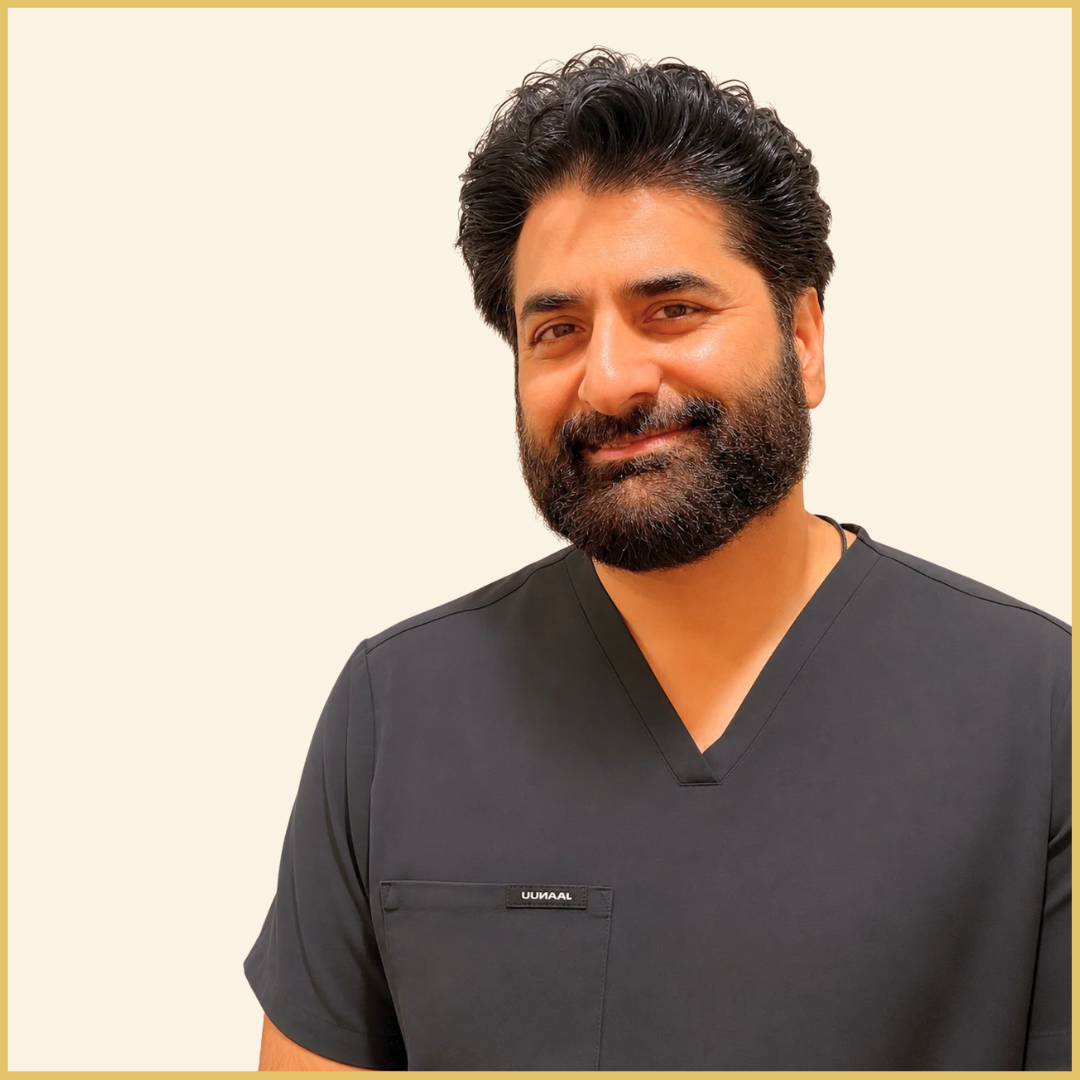
I'm an interventional nephrologist who has spent the past 16 years building and operating a network of practices serving rural southeast Missouri. I provide nephrology and dialysis coverage across the Poplar Bluff and Sikeston areas because, in rural Missouri, if a specialist doesn't show up, patients may have to drive hours or simply go without care. The other half of my work is ensuring care exists here tomorrow, such as modernizing our electronic health records and remote patient monitoring capabilities and constructing a 21,000-square-foot medical plaza.
My path to rural health wasn't planned so much as revealed. I trained at the Armed Forces Medical College in Pune, India, where the ethos was that a physician goes where the need is, not where the comfort is. That stayed with me when I came to the United States for my MPH and residency training. My first position after fellowship was in rural Georgia, where I saw patients arrive with kidney failure that should have been detected years earlier. In a city, they might have been referred at stage 2 or 3; I was meeting them at stage 5. The disease was the same; the geography was the difference. I recognized the same pattern in Poplar Bluff, but I also saw a community where one committed physician could genuinely change the trajectory of care. Two decades later, I can say building a career here wasn't a sacrifice. It was the best decision I made.
What I’m proudest of is not glamorous—it’s keeping Community Urgent Care alive. The financial realities of rural practice made it increasingly difficult to keep the doors open, so we converted it to a certified Rural Health Clinic. The new reimbursement structure made the clinic more sustainable while allowing us to continue serving Medicare, Medicaid, and uninsured patients. When the certification arrived, there was no ceremony—just a piece of paper after months of grinding work. But I remember standing in the clinic that day, watching my staff and thinking: this place is going to be here in twenty years. These jobs are secure, and these patients have a home.
A farmer in his sixties came to our urgent care because his wife made him. He felt “fine,” but his labs told a different story. Because we caught his condition early, we had time to connect him with nephrology care 10 minutes from his farm instead of three hours away. Two years later, he’s still farming. Every time he comes in and complains about the weather rather than dialysis, I’m reminded why having care close to home is the difference between a managed condition and a catastrophe.
I came to this country as an immigrant and found my home in a small Missouri town. This community took a chance on me 20 years ago, and everything I’ve built since is my way of returning the favor. That’s what the Power of Rural means to me: a town and a doctor betting on each other, and both coming out ahead.
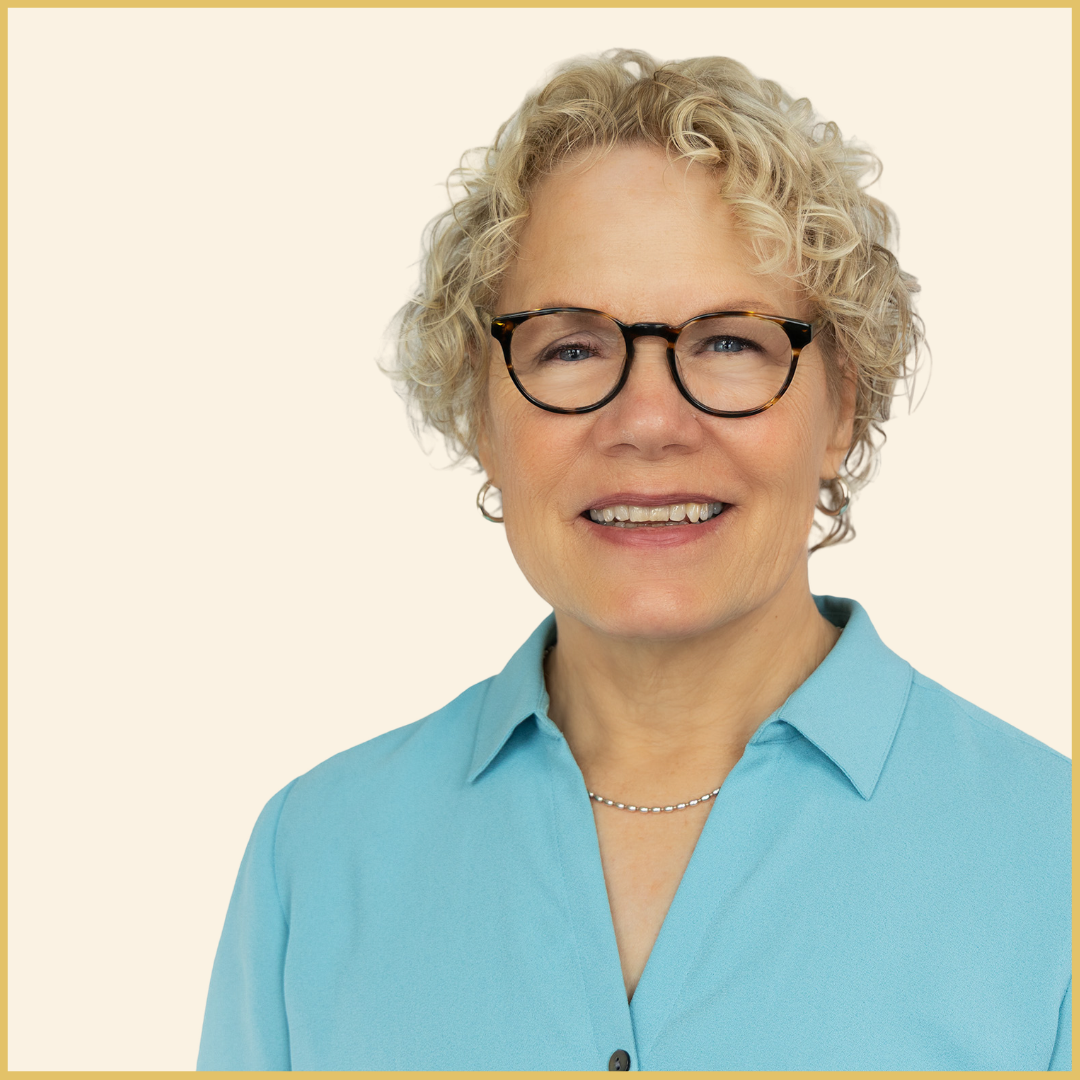
I am the CEO of Finger Lakes Community Health, a Federally Qualified Health Center (FQHC) in the Finger Lakes of New York State. I lead a team of about 200 people, and we operate eight comprehensive health centers across six rural counties. A significant part of my role involves looking beyond our health centers to understand what our communities need to be healthier and how we can help make that happen. I build partnerships, advocate for resources, and ensure rural voices are represented where important decisions are made. My work focuses on identifying solutions that work within the realities of rural communities and helping others understand that rural health care truly is different.
I fell into rural health almost by accident. Early in my career, a new program designed to improve healthcare access for agricultural workers asked me to help them because I spoke Spanish. I agreed to work as a Community Health Worker until they could hire permanent staff. Those two months turned into a career. Working with agricultural workers and their families opened my eyes to the barriers rural communities face. I realized that improving health wasn't just about providing more care; it was about building a stronger safety net, creating partnerships, and bringing services closer to people. I may have gotten into rural health by accident, but I have stayed on purpose.
In 2011, community health centers, behavioral health organizations, and public health departments across rural New York were facing many similar challenges but trying to solve them separately. I brought together five rural FQHCs, a behavioral health organization, and a group representing eight rural public health departments to explore how we could collaborate to achieve better outcomes. In 2015, we formed an Independent Provider Association, which became Forward Leading IPA (FLIPA). I felt strongly that behavioral health needed to be at the table as an equal partner. Although regulatory and licensure requirements often keep us in separate lanes, our patients don't live in those lanes—their medical, dental, behavioral health, and social needs are connected. Today, FLIPA includes 15 FQHCs, seven behavioral health organizations, and a rural health network serving more than 300,000 patients. In 2024, it was selected to lead the Finger Lakes region’s Social Care Network through New York State's Medicaid waiver.
One of the most rewarding parts of my work has been bringing rural issues and voices into conversations that shape healthcare policy and investment. It is especially meaningful to see our collective advocacy lead to change. For me, success means more than simply having rural health included in the conversation but rather that rural communities have a meaningful voice in shaping the decisions that affect their health and their future.
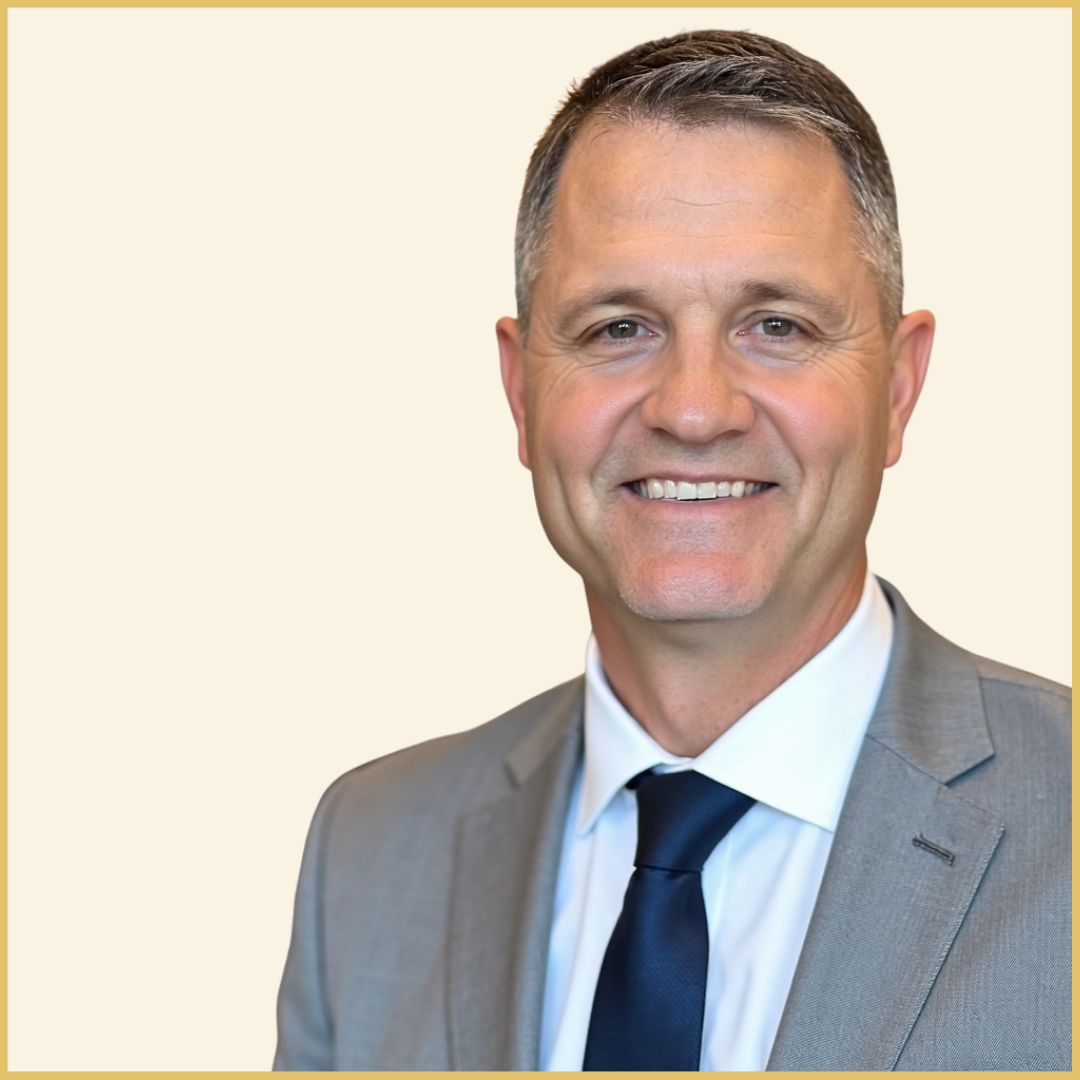
The Jacobson Memorial Hospital Board asked me to serve in 2025 during a time of significant financial strain on the hospital. I was humbled by the opportunity and have been able to leverage my experience in leadership development and strategic planning to assist in refocusing the organization. The exceptional leadership team and employees of the hospital have done the heavy lifting during this transformation, and I am honored to now serve as the chairman of the board of directors.
Jacobson Memorial required a new vision, strategic priorities, and leadership to create a path toward financial sustainability. We developed a strategic plan, hired a new CEO and CFO, and worked with partners to advance legislation during a special session of the North Dakota Legislature. We created a leadership development training program for our departments and focused on improving the quality of care. The new strategic plan succeeded because of the hospital’s employees and the tremendous support of the community. Today, the hospital is operating with positive cash flow and continuing to provide essential care.
The timely collaboration of our District 31 Legislators, the North Dakota Hospital Association, and a group of highly experienced CEOs consulting Jacobson leadership was paramount in developing a clear path forward. Together, we developed legislation authorizing the Bank of North Dakota to offer emergency low-interest loans to rural medical facilities in financial distress. Jacobson Memorial was the first facility to benefit from the program. That assistance addressed immediate financial needs, provided an opportunity for us to right-size, and even improve the quality of care for our community.
The Power of Rural means a small community can come together, confront a crisis, and find a solution because people know and care about one another. The revival of this small hospital—which employs about 5% of the county’s workforce and provides essential care across the region—is a prime example.
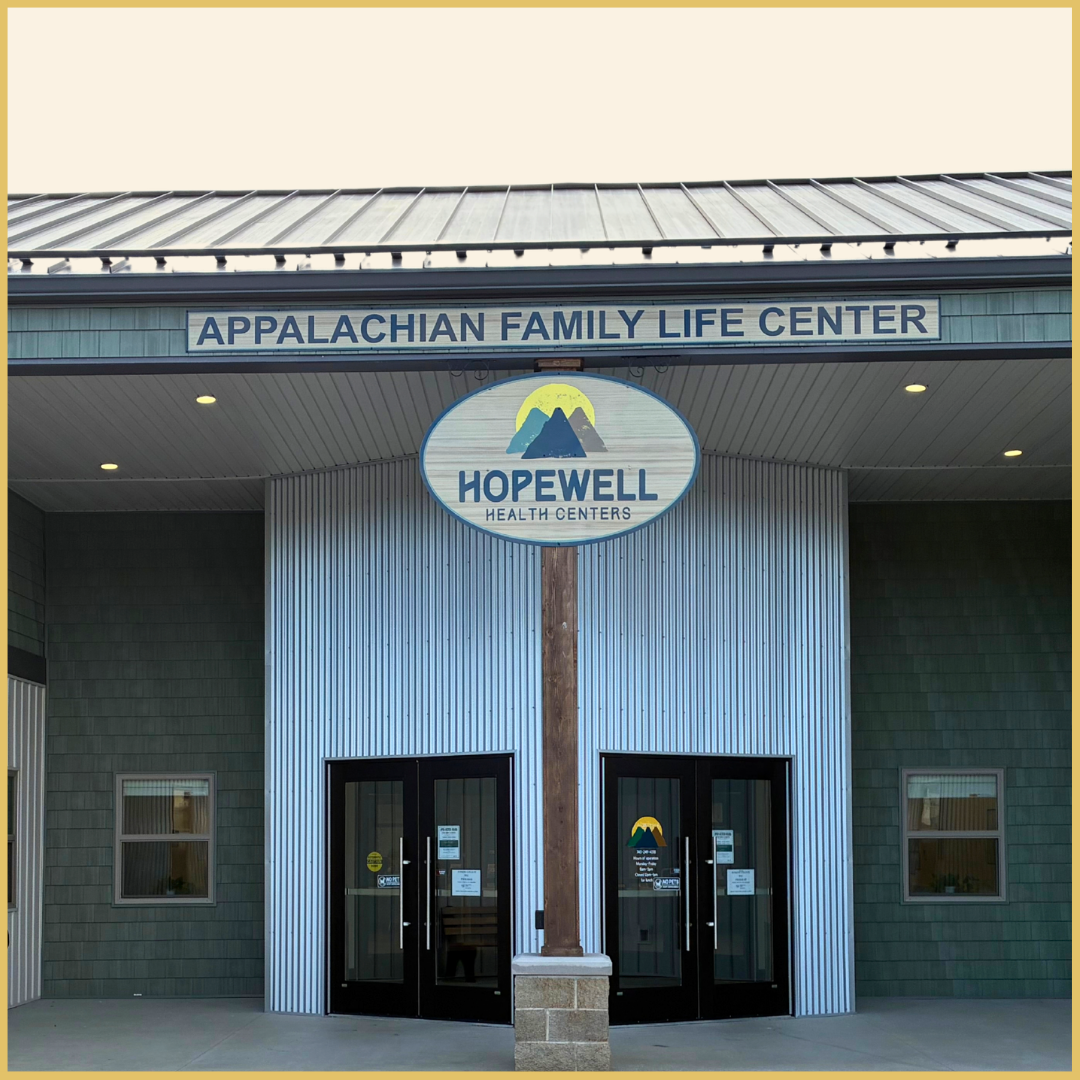
Hopewell Health Centers is a Federally Qualified Health Center and a Certified Community Behavioral Health Clinic serving nine counties in the heart of rural Appalachia. Our 700 dedicated staff members provide integrated health care to approximately 40,000 patients each year. Motivated by a vision to integrate primary care and behavioral health to better serve local residents, the agency has grown far beyond that foundation. Today, our care model includes a wide range of health and wellness supports, including dental care, nutrition services, peer support, medication-assisted treatment for opioid use disorder, recovery housing, supportive employment, and early childhood services. We remain deeply committed to creating a community where everyone has a healthy mind, body, and spirit.
Our landscape is defined by the winding Ohio River and beautiful forested, hilly terrain that is often prone to flooding. This challenging geography, paired with a lack of public transportation, creates a significant barrier to accessing needed health care. Despite these challenges, southeastern Ohio offers the best kind of rural living, with quaint downtowns, outdoor activities, and creative small businesses. Above all, our greatest asset is our people, whose hard work and specialized skills are deeply valued every single day.
We are especially proud of leading the Partnership to Achieve Compliance and Savings (PACS) Network, developed with support from Network Planning and Development grants through the Federal Office of Rural Health Policy. PACS brings together state health plans, regional partners, and community-based organizations to strengthen Community Health Worker (CHW) initiatives across southeast Ohio. This collaboration helps health plans better understand local needs while giving the region a way to test promising, sustainable approaches to food access, behavioral health, recovery, aging in place, social drivers of health, CHW training, and care for high-risk patients. PACS helped launch a regional Pathways Hub, an Ohio reimbursement model that supports CHWs and community-based organizations while improving patient outcomes. The network also partners with a regional food bank to provide monthly deliveries of diabetes-friendly groceries to high-risk patients. PACS demonstrates what is possible when rural organizations, health plans, and community partners align around shared goals.
Some of our most rewarding moments come when patients walk through our rural Appalachian doors—often after traveling long distances or delaying care because of cost—and receive integrated medical, dental, and behavioral health services in one trusted setting. These moments remind us why our work matters and reflect the impact we strive to make every day.
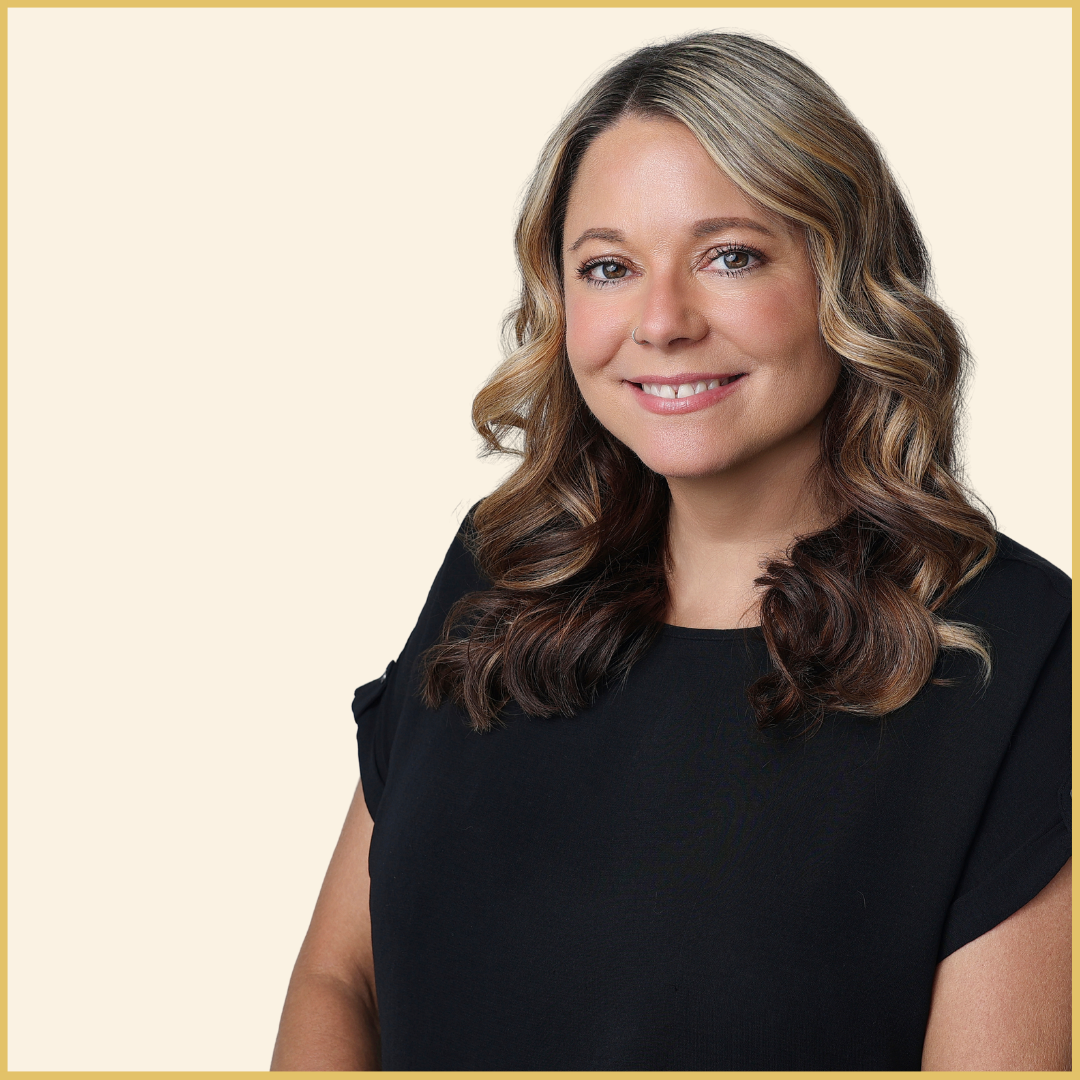
I am the EMS Administrator for an all-volunteer ambulance service in Maupin, Oregon. Alongside a dedicated team, I help cover two service areas spanning 1,200 square miles of rural terrain along the beautiful Deschutes River. I handle paperwork, write grants, maintain equipment, and coordinate volunteer training and retention to keep our station operating. In addition to my administrative responsibilities, I respond to 911 calls as an active EMT at all hours of the day and night.
When I first moved to Maupin, I lived next to the fire and ambulance hall. Watching crews respond at all hours sparked a quiet ambition in me, and I promised myself that I would volunteer once my children were older. Years later, COVID-19 stretched our local emergency service to the brink, and we faced a harsh reality: find volunteers or lose our ambulance service entirely. I was finally in a position to help, so I stepped up. I enrolled in an EMT course alongside five other locals. We passed the class and saved our station. Since 2020, I have proudly answered the majority of our community's emergency calls.
Like many rural Oregon communities, our population is aging, and young people often move away, making it challenging to recruit new volunteers. To address this, we looked at ways to support our community while showing local youth a path into emergency medical careers. I worked with community partners to launch an Emergency Medical Responder (EMR) class at Maupin High School. Our first group of students completed the course, earned their licenses, and now volunteer in our community.
Established in 1952, our ambulance service thrives today thanks to our community's deep roots. We are incredibly blessed by multigenerational families who continue to volunteer and by a supportive Board of Directors composed primarily of former emergency responders. Through our mutual aid partnership with Wamics Ambulance Service, we train together several times a year to strengthen emergency response across southern Wasco County. Wamics volunteers also played a vital role in our recent EMR class by helping teach the course and assess the skills required for licensing.
The Power of Rural is our unique ability to adapt to different emergencies, make the most of limited resources, and work closely with our community and neighboring emergency services to provide the best care available.
WCHC operates as a collaborative healthcare campus serving Wyoming County and the surrounding region. We brought together primary and specialty care, a walk-in clinic, behavioral health, rehabilitation, dialysis, dentistry, diagnostic imaging, lab services, and community support agencies, giving residents access to coordinated care and essential resources in one location.
Our work also extends beyond the campus. We convened the county’s independent EMS organizations to create a countywide EMS collective focused on improving communication, pursuing funding, sharing resources, and strengthening local emergency services. We are also leading a countywide healthcare needs assessment to identify service gaps and guide future growth, including extended ambulatory care hours, specialty services, pharmacy and new programs responsive to community priorities.
Wyoming County is a rural community located more than 45 minutes from the nearest hospital. It has one of the state’s highest percentages of residents age 60 and older, making timely access to health care especially important. Prior to the establishment of WCHC, residents often waited six to twelve months for a new patient appointment with a primary care provider, forcing many to travel long distances or delay care. Since WCHC opened, patients can often receive urgent care the same day or see a primary care provider within a week.
Our community is resilient, close-knit, and deeply committed to supporting one another. That spirit has been instrumental in rebuilding local healthcare services and continues to drive our mission.
Wyoming County Healthcare Center addresses needs beyond clinical care. It is a place where residents can access preventive health programming, community outreach, free public internet and telehealth accommodations, on-site transportation, and a food pantry.
One particularly meaningful accomplishment was bringing mobile mammography services back to the community. Many women had gone years without receiving a mammogram. Restoring this essential preventive service allowed the community to receive an important screening locally and demonstrated the immediate difference accessible health care can make for rural residents. We are also especially proud of the collaboration among our partners and how they work together to provide a continuum of care for patients.
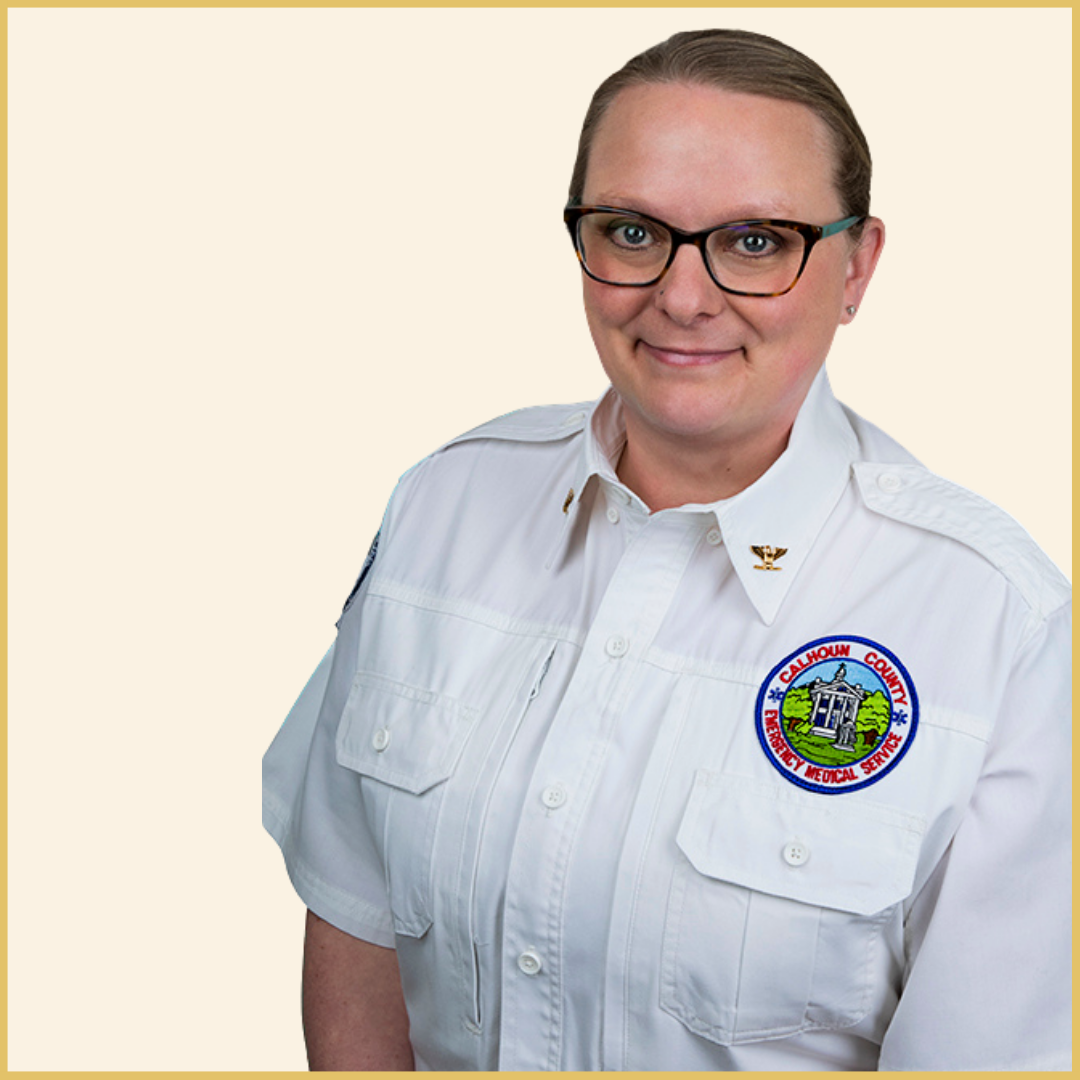
I serve as the EMS Director for Calhoun County, a small rural county in the heart of South Carolina. Our call volume has more than doubled in recent years, while our rural geography and limited resources continue to present challenges. I ensure our personnel have the equipment, education, policies, and support needed to provide excellent care. I also advocate for sustainable funding, appropriate staffing, additional ambulance coverage, and programs that improve access to healthcare. My goal is to ensure our community members receive compassionate, dependable care when and where they need it.
I was drawn to EMS because I wanted to help people during some of the most vulnerable moments of their lives. As my career developed, I realized that rural EMS is much more than responding to emergencies. I saw residents struggle with transportation, limited access to primary care, difficulty understanding discharge instructions, medication concerns, and chronic conditions. Too often, people waited until a manageable problem became an emergency because they did not know where else to turn. Those experiences inspired me to become an advocate for rural healthcare and help build a system that responds to emergencies while also identifying gaps, connecting people with resources, and preventing emergencies whenever possible.
I am especially proud of helping establish Calhoun County EMS’s Community Paramedic Program, which supports vulnerable and underserved residents. Our community paramedics visit patients in their homes, assess their needs, review medications, reinforce discharge instructions, and connect them with health care and social resources. This approach is especially important for residents who are homebound, lack transportation, have limited health literacy, or do not qualify for traditional home health services. Early data showed substantial reductions in EMS use, emergency department visits, and hospital admissions. But the program's greatest impact cannot be measured by numbers alone. It gives residents someone they trust who will listen, explain their care, and help them navigate a complicated healthcare system. The program succeeded through collaboration, strong medical oversight, grant funding from the South Carolina Office of Rural Health, committed county leaders, dedicated community paramedics, and a willingness to adapt to residents’ needs.
The most rewarding realization has been that my work can reach far beyond a single emergency call. As a field paramedic, I helped one person at a time. Becoming EMS Director and an educator gave me the opportunity to make an even broader impact and help shape the future of EMS. Knowing that this influence will continue through the providers I have supported—and through every patient they will serve—is one of the greatest honors of my career.
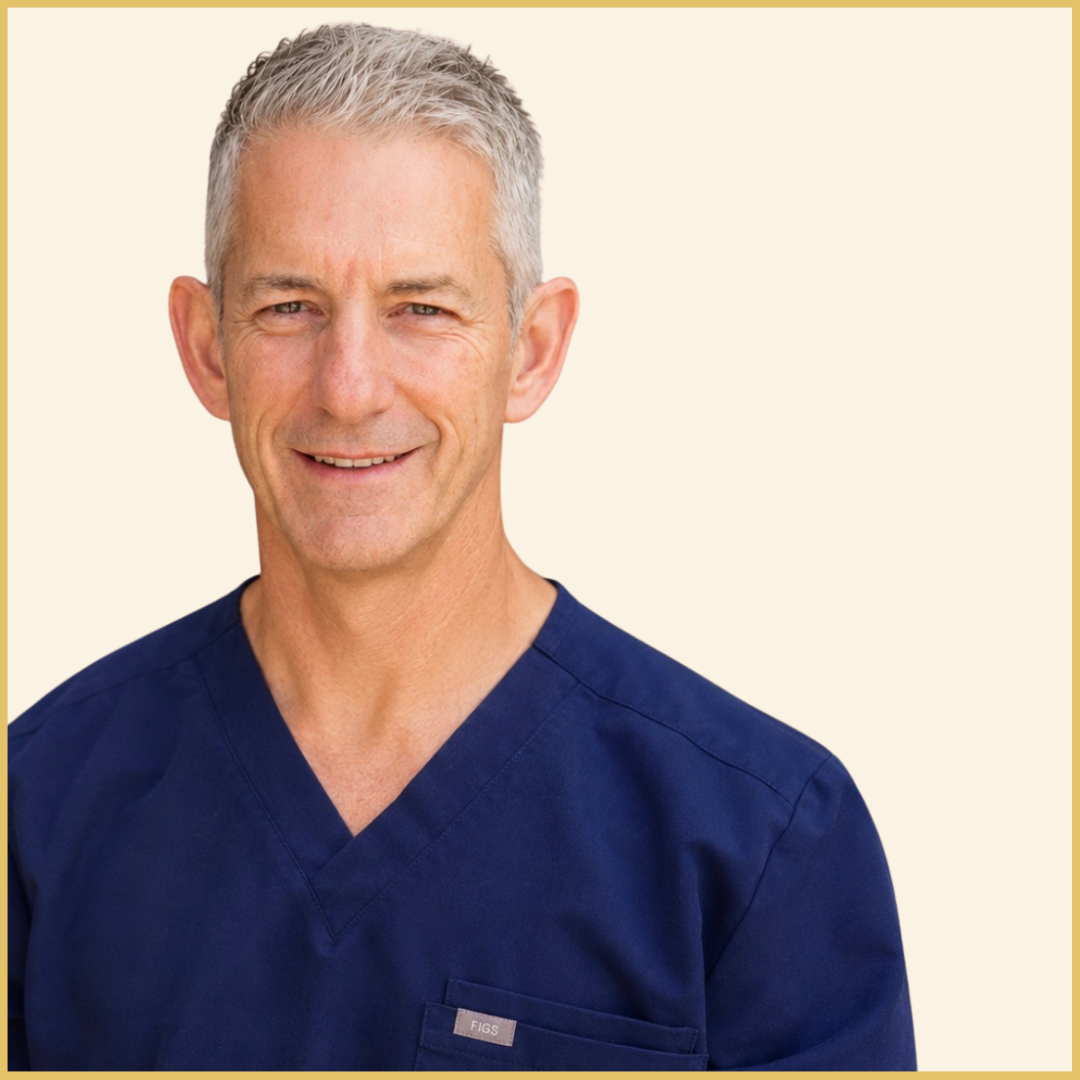
I am a pediatric dentist serving southern Utah and the surrounding rural region. My residency included extensive hospital training. Today, I continue caring for children and adults with special healthcare needs who may have few other options locally.
I grew up on a small farm, where I learned that people depend on one another. You work hard, solve problems with what you have, and help when someone needs help. After residency, my wife, Amy, and I chose southern Utah to raise our four sons. My own family’s experience navigating developmental differences also gave me a perspective professional training alone could never provide. I learned firsthand what it means to navigate systems that do not always fit the individual and to appreciate people who understand the person rather than simply the diagnosis.
I am proud that caring for people with disabilities and complex needs became part of our practice culture rather than a separate "program." Success may mean treatment in the operating room, extra time building trust, modifying how we communicate, or simply helping someone become comfortable enough to walk through the door. Innovation in rural health care is not always a new technology. Sometimes it is recognizing who is being left out and changing the way we work so that person can receive care too.
Some of the most meaningful experiences of my career have come from caring for patients with significant special healthcare needs and getting to know their families. Over the years, several of these patients have passed due to complications from their medical conditions; their loss has revealed to me the depth of these relationships. I see only a small part of their story and cannot fully appreciate the years of work, sacrifice, worry, and love. These experiences have taught me that the most rewarding part of health care is not always fixing something. Sometimes it is simply being allowed to walk alongside another person for part of their life. I became a dentist to care for teeth. Somewhere along the way, I learned that the real privilege is being trusted to care for people.
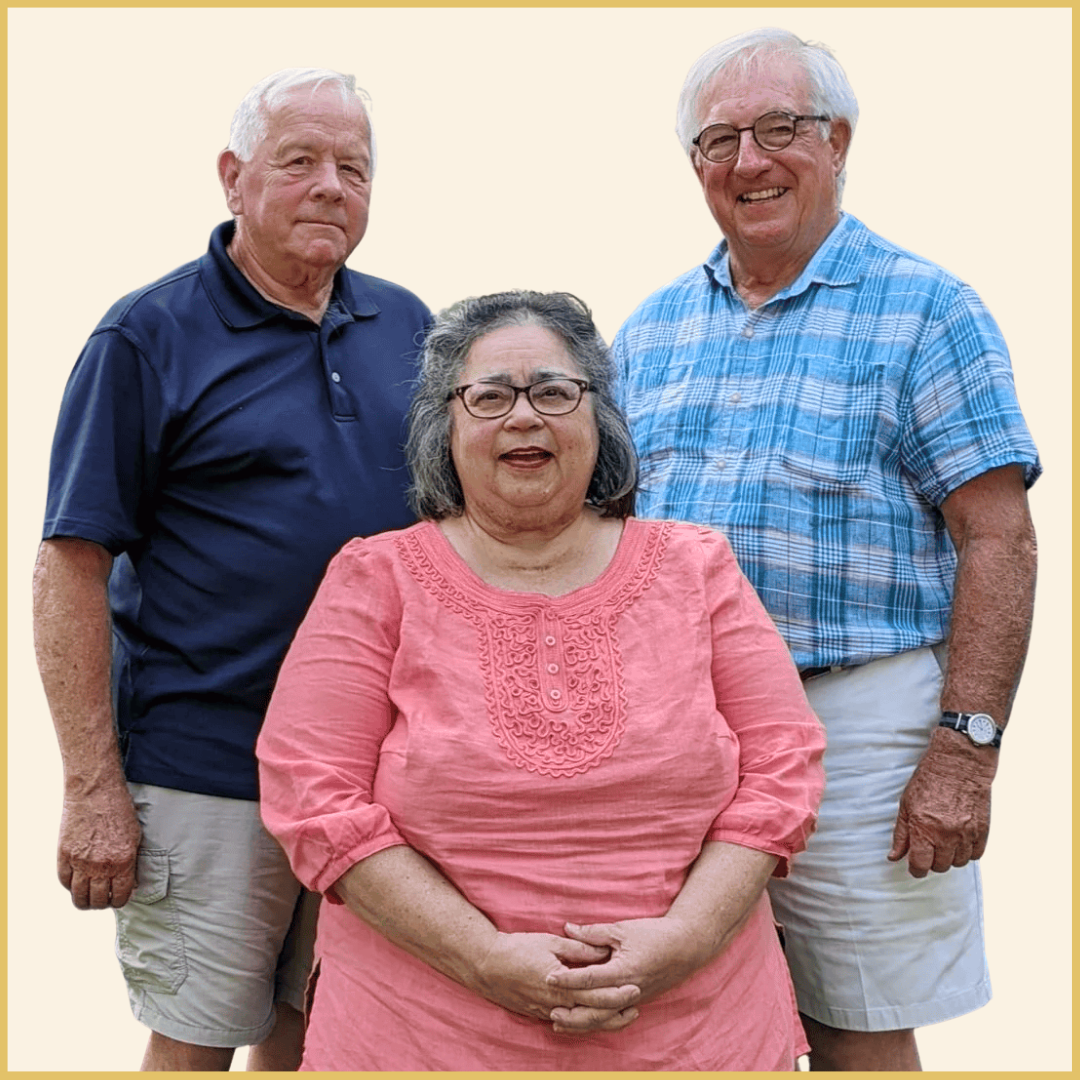
Windham Aging began when Roger Allbee, Dr. Carolyn Taylor-Olson, and David Neumeister—retired health care leaders serving on the board of an assisted living facility—recognized significant changes in the county’s aging population and envisioned a coordinated path forward. Windham Aging does not provide direct services. Instead, it brings together community organizations, healthcare providers, state and local agencies, students and researchers within academic institutions, and residents to create a shared vision for systemic change. We identify resources and future needs, educate local decision-makers, develop strategies, and track progress toward regional priorities.
Vermont has the third-oldest population in the nation, with one in three residents expected to be 60 or older by 2030. Windham County has a particularly high concentration of older adults, and 12 towns in the region are designated as Medically Underserved Areas. These conditions make access to health care, housing, transportation, caregiving, and social connections increasingly important. We believe Windham County can be not only a place where older Vermonters are safe and well cared for, but one of the best places to grow older.
With support from Thomas Thompson Trust, Windham Aging launched Working Together to Support Older Adults, a mini-grant program designed to spark creative partnerships in health, wellness, housing, transportation, and health care workforce development. One mini-grant is helping Senior Solutions expand music and expressive arts programming at memory cafés in Brattleboro and Wilmington in partnership with Main Street Arts. These community-based gatherings allow people living with Alzheimer’s disease and related dementias to participate in meaningful activities alongside their caregivers. Music and art activities can reduce anxiety, improve mood and communication, support cognitive engagement, and offer caregivers connection, respite, and peer support.
One of our most rewarding moments was the Pathways to 2040: Collectively Preparing for our Region’s Aging Future summit held in January. Leaders representing more than 30 local and state organizations explored emerging trends, discussed radical collaboration, and worked together on the Regional Action Plan for Healthy Aging.
One of the biggest strengths of rural communities is their relationships. To us, the Power of Rural means leveraging those relationships to achieve a common goal. In a rural county like Windham, no single agency can solve challenges involving housing, transportation, or caregiving alone—but by working together, we can create a community where older residents age with dignity.
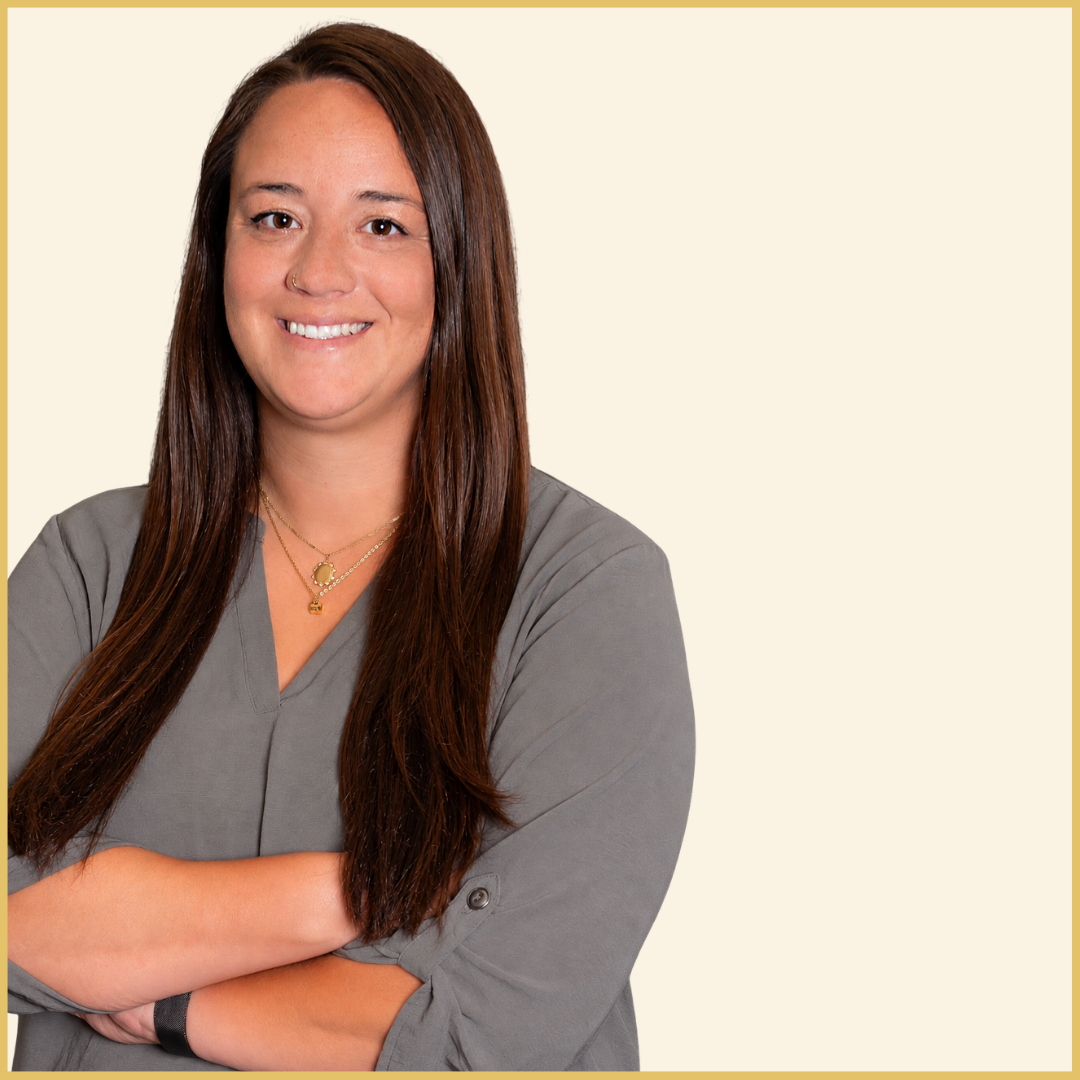
I serve as the Clinical Case Manager at FCH, a critical access hospital on the northwest coast of Washington. I oversee care coordination, social services, population health initiatives, and the continued development of our palliative care program. Much of my work involves identifying gaps in care and bringing people together to create practical solutions. In a rural community, we cannot always refer a problem to another organization because that organization may not exist locally. Instead, we look at the people, relationships, and resources we already have and ask, “How can we use these differently?” Sometimes those resources are neighbors who plow driveways so ambulances can bring patients home or nurses who drive discharged patients home after their shifts. These acts may never appear in a medical record, but they are essential to how health care works here.
I began my nursing career at the bedside at FCH 14 years ago. Initially, I worried that people might feel uncomfortable having someone they knew as their nurse. I quickly learned the opposite was true. Patients appreciated seeing a familiar face. I came to understand that maintaining their trust and delivering the care I would want for my own family were both tremendous responsibilities and privileges.
I joined the Washington Rural Palliative Care Initiative in late 2022. At the time, Forks had no palliative care program, no local hospice provider, and too few caregivers to support everyone in need. FCH had also closed its long-term care unit, the only facility of its kind within approximately 60 miles. I partnered with our rural health clinic and administration to apply for an HRSA grant focused on access, quality of life, and helping people remain at home. Although we did not receive the grant, the process helped us design a financially sustainable service. With support from our administration and the Initiative, we educated staff, developed home-based services, and built the program one patient at a time. Together, we created a model that other rural communities could adapt.
The niece of our first palliative care patient told me the program had allowed her to feel like family again rather than only a caregiver. Before our team became involved, her evening visits centered on whether he had taken his medications, used his walker, or showered. She carried the burden of his health and safety. After one month, many of those responsibilities shifted to our team. Instead of discussing medications and safety, they began sharing dinner and going out for pizza and a beer. We could not remove his illness, but we restored something it had taken from both of them: the opportunity to simply be family.
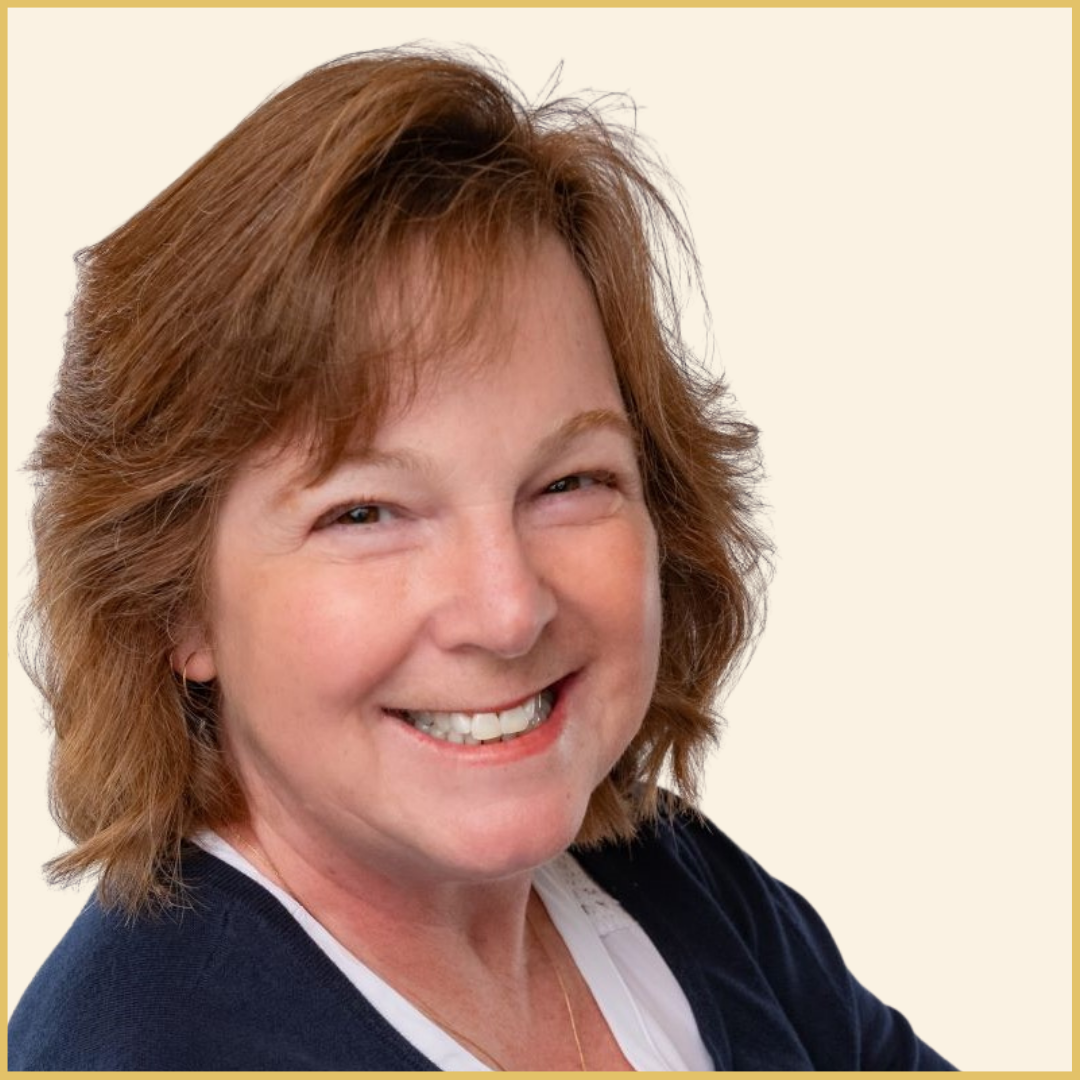
Director of Education, Montana Health Network
As Director of NE MT AHEC, I connect people, resources, and opportunities to strengthen the rural healthcare workforce. I help students from rural and frontier communities explore healthcare careers and educational pathways, and connect healthcare professionals and EMS providers with continuing education. I also work with healthcare facilities, schools, colleges, workforce partners, and community leaders to identify needs and develop practical solutions.
I have always believed that where a person lives should never determine the opportunities available to them. Living and working in rural Montana has shown me both the challenges and the incredible strengths within our communities. I am inspired by the healthcare professionals, educators, community leaders, and volunteers who go above and beyond to support their neighbors. Over time, I discovered that my passion lies in connecting people with resources—whether helping students explore healthcare careers, assisting a community partner, or bringing organizations together around a common goal. Rural health is not just a profession for me; it is a calling rooted in the belief that every community deserves quality health care and every student deserves the chance to pursue their dreams.
I am especially proud of bringing education and workforce development directly to rural and frontier communities rather than expecting people to come to us. We introduce students to healthcare careers through MedStart, support high school Certified Nursing Assistant training, and provide continuing education for healthcare professionals. In a state as large and rural as Montana, distance can be a significant barrier. Sometimes the most meaningful thing we can do is pack up a vehicle and deliver training locally, showing students and healthcare professionals that their education, growth, and success are worth investing in.
One of the most rewarding parts of my work is helping students understand both the challenges and the rewards of serving rural communities. Health care can be difficult, but it also offers an extraordinary opportunity to make a difference. Watching students’ interest grow over time and seeing them pursue healthcare careers is incredibly meaningful.
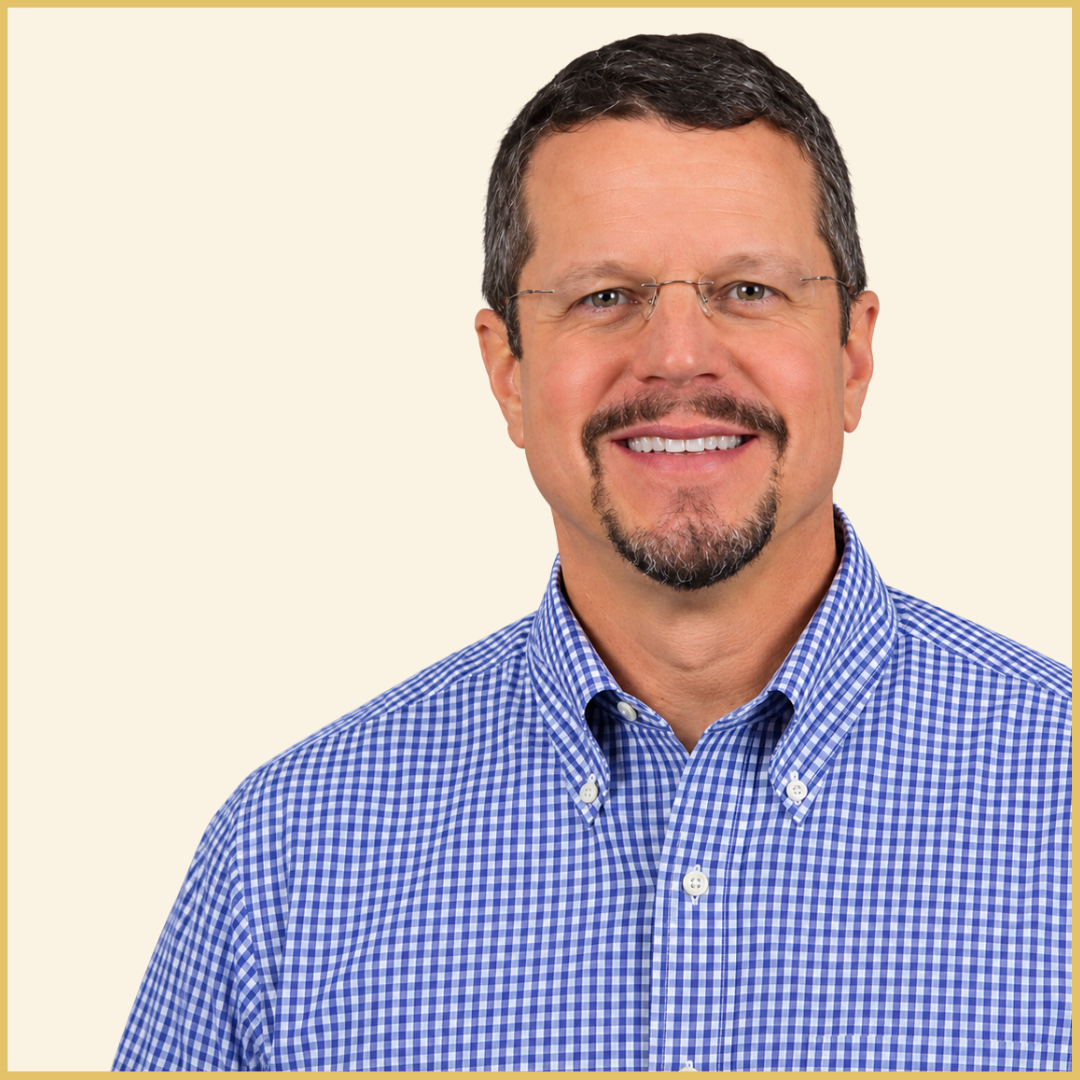
I began serving as CEO and CFO of Cleveland Area Hospital in 2015. Cleveland, Oklahoma, has a population of approximately 3,500, and Pawnee County has about 18,000 residents, although the hospital draws patients from beyond those boundaries. Nearly every day brings a new and interesting challenge, but this is unquestionably the most rewarding and important job I will ever have.
After about 20 years of working in Denver, Colorado, I was taking a sabbatical from the corporate world when I stumbled upon this opportunity. My mother-in-law and father-in-law graduated from Cleveland High School, so I like to say I was tricked into the job. I was inspired by both the tremendous need for quality health care in rural Oklahoma and how deeply the hospital staff cared for their patients. The community's independence, determination, and resilience make it a special place to serve.
In 2018, we presented a strategic plan to the Board of Directors and began pursuing continuous improvement in quality and a new facility. We are now scheduled to break ground on a full replacement hospital in February 2027. Our team worked together to secure USDA loan funding and remained utterly persistent throughout the process. The desire to deliver excellent health care to our patients remains at the center of our organization.
Many critical partners helped us reach this stage of the facility replacement process. Early support from the Oklahoma Office of Rural Health helped introduce me to the industry. Since then, we have developed relationships with physicians, CPA firms, architects, attorneys, construction firms, and hospital CEOs who have successfully completed similar projects. Their knowledge and experience have been invaluable.
Rural communities feed the country, power it through industries such as oil and gas, and offer opportunities to make a tremendous difference in people’s lives. After living in a rural community for 14 years, I understand the burden of giving up three hours of the day to travel to and from a medical appointment. Providing quality health care locally is essential because long travel times can delay needed care, sometimes indefinitely.
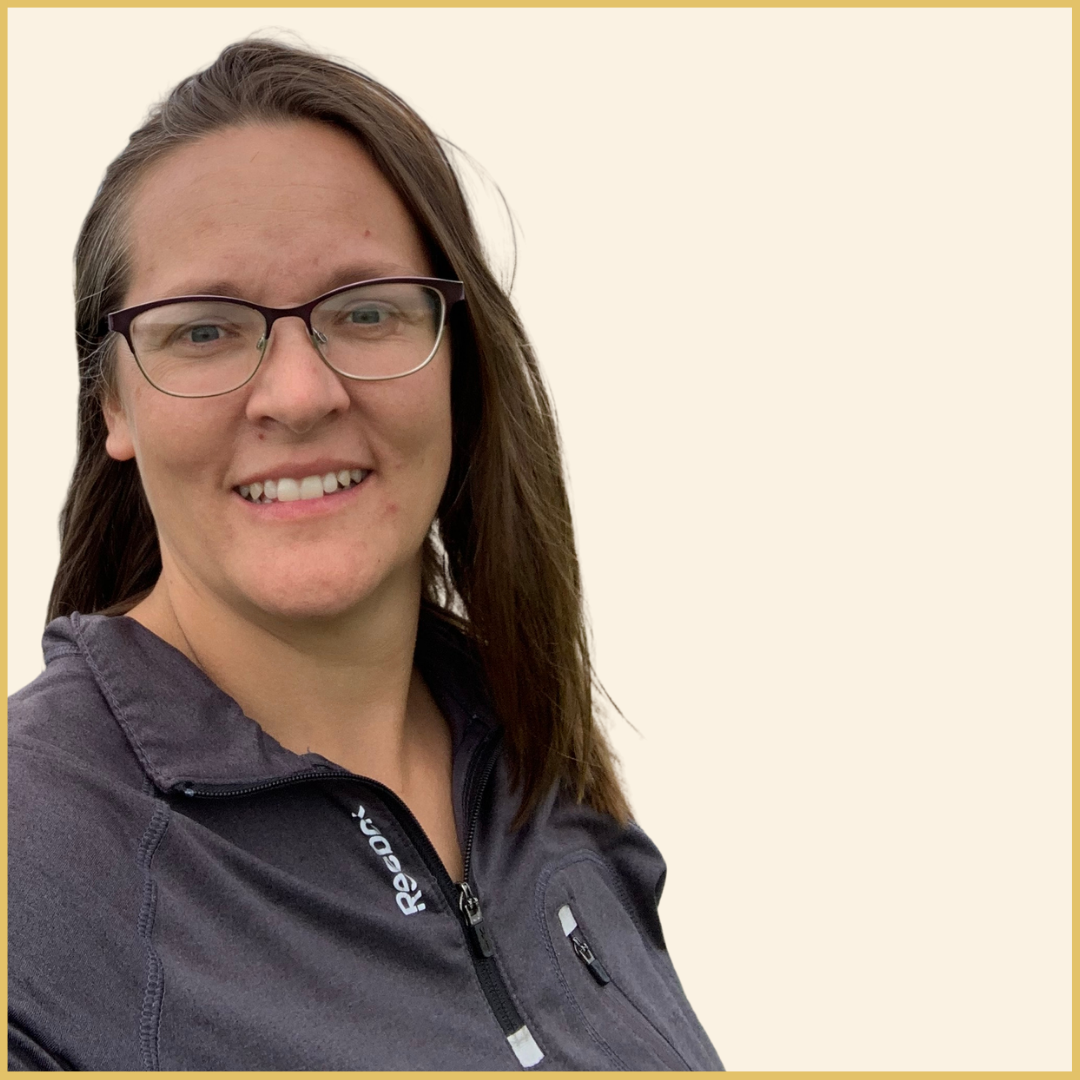
I work at a clinic in Kadoka, South Dakota, caring for scheduled and walk-in patients. I also volunteer with Kadoka Ambulance alongside EMTs, registered nurses, and drivers. We work closely with the providers and emergency department at Philip Health Services.
During the school year, I advise our local HOSA–Future Health Professionals chapter, helping introduce students to healthcare careers. My experience in home health and hospice also allows me to support families who want to keep their loved ones at home.
Rural health care has always been a passion of mine because I believe everyone deserves quality care. At the clinic, we care for patients ranging from newborns to 100-year-old folks. In the ambulance, we respond to both strangers and our neighbors, treating everyone the same. Whether someone calls this region home or is simply passing through, they deserve the same genuine care.
Our area is primarily made up of ranching and farming communities. Belvidere, the closest community I serve, has fewer than 50 residents. Kadoka has a population of fewer than 600. Accessing hospital care requires travel—approximately 25 miles to Philip or 100 miles to Rapid City. We are also close to the Badlands, where increased summer tourism can lead to additional emergency calls. What makes this area special is its people. They love our open spaces and beautiful country, and it is a great place to raise a family.
I am especially proud to help keep our small volunteer ambulance service staffed. We are on call 24/7, whether we are at work, at home, or attending a school event. Maintaining coverage can be difficult with so few volunteers, but our community depends on us to respond.
It is especially rewarding when my parents hear stories about the impact I’ve had on their friends and neighbors over the years. Often, you don’t realize the difference you’ve made until someone tells you. After working at the school for 10 years, it is also meaningful when kids feel comfortable coming into the clinic when they’re sick. Knowing we will help and advocate for them gives their parents peace of mind.
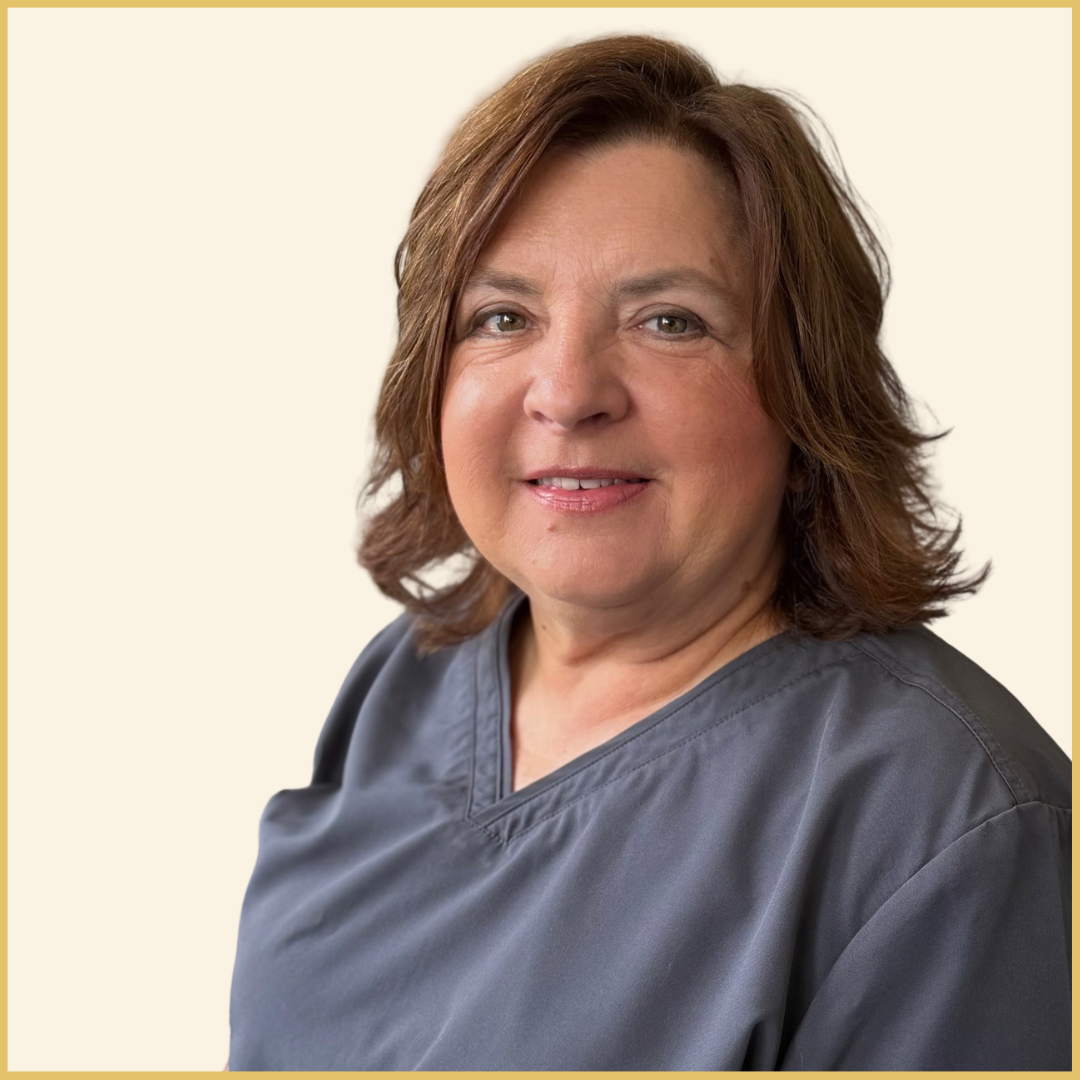
I serve as a Family Nurse Practitioner in the public health department, providing direct patient care, family planning services, school physicals, STI testing and treatment, hepatitis C care, and women's health services. I also follow up with patients, connect them with additional services, and coordinate with other community providers. What I love most about my job is educating patients. My position gives me the time to truly listen, so patients can ask questions and receive answers without judgment. Often, their questions have little to do with the reason they came to see me that day. Those moments allow me to address concerns that might otherwise go unspoken. I help patients understand that they have the power to take an active role in their health, regardless of where they live.
Growing up in rural Southwest Virginia, I witnessed firsthand the need for health care in my community. The closest large medical center was three hours from my home, underscoring the importance of local resources. During nursing school, I completed a community health rotation at a local health department and left knowing that rural health care would be part of my future. I realized that positive change begins by meeting people in their own communities and addressing their needs one person at a time.
The rural Virginia communities I serve include a large and diverse Spanish-speaking population. Working at the health department has allowed me to learn so much from the many countries and cultures represented by my patients. They often share experiences with health care in their home countries, including traditional remedies passed down through their families. We also compare how certain health conditions are treated here with how they were treated in their home country.
I am proud of the hepatitis C treatment program developed by our health district. Substance use has had a devastating impact on our community, and hepatitis C is part of that challenge. Before treatment became available through our local health departments, patients had to travel three hours for care—a trip many could not make because of transportation, financial, and other barriers. For the past two years, we have provided treatment regardless of a patient’s ability to pay. One patient came in for family planning services and shared that she had been diagnosed with hepatitis C 10 years earlier. She had never pursued treatment because she was uninsured and concerned about the side effects. Through our program, she received treatment and was cured. She later called to thank me and said, "You all gave me my life back." Her words remind me why rural health care matters so much.
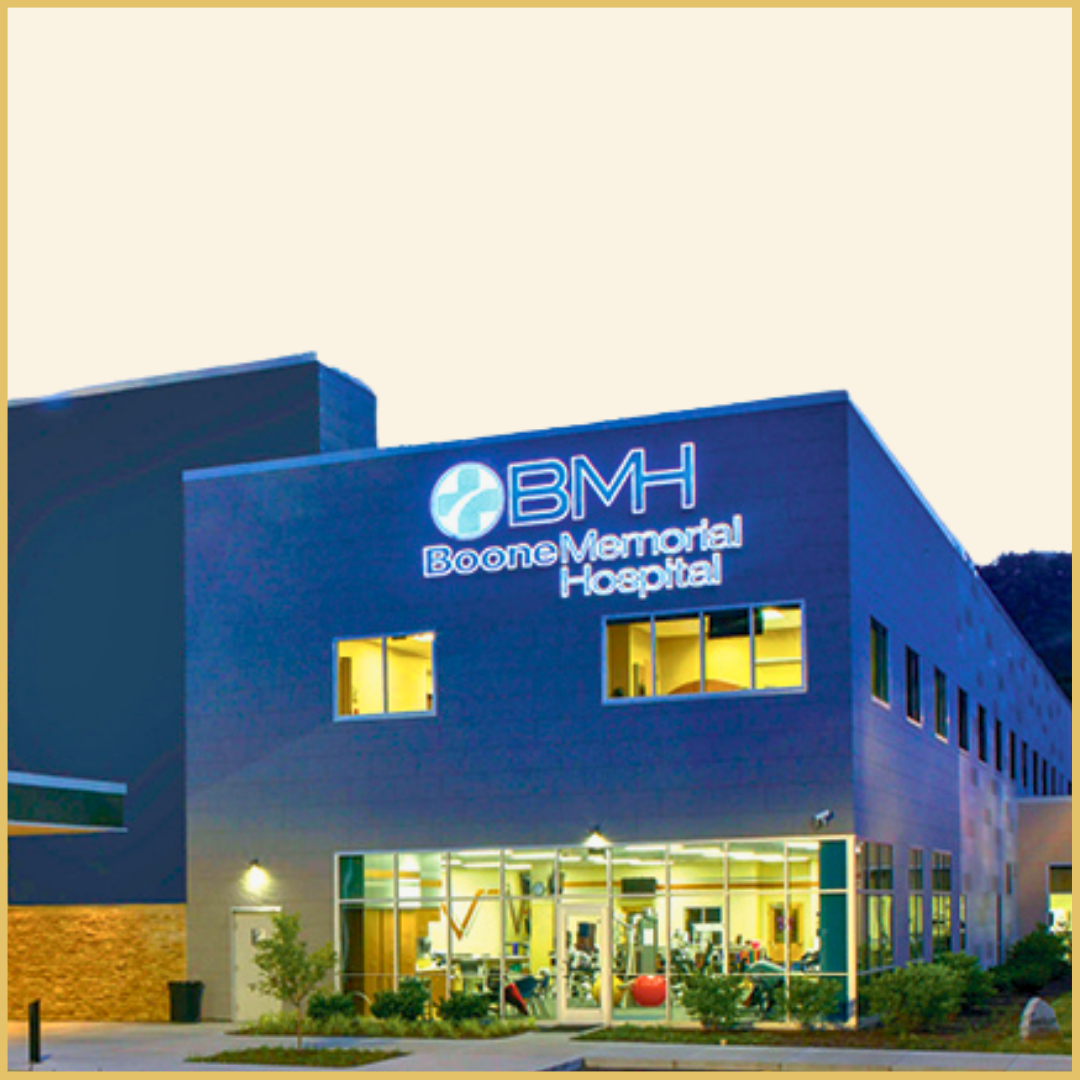
Boone Memorial Health is a nonprofit health system based in Madison, West Virginia. Madison sits along the Little Coal River, surrounded by communities that stretch up the hollows, where a neighbor is often the closest thing to emergency services. Our service area covers 1,491 square miles of two-lane roads, with no public transit and long drives for specialty care. For decades, Boone County ranked among the top in West Virginia coal production, and that legacy continues to shape local health needs.
Guided by our promise of “Bringing Medicine Home,” we serve approximately 73,000 patients annually across four counties through a 25-bed critical access hospital, a Black Lung Center, four rural health clinics, a Population Health Department, and community-based programs. Much of our work involves chronic disease, and little of it stops at the hospital walls. Our Brighter Futures team provides medication-assisted treatment, counseling, and peer recovery support. Since 2024, the team has delivered these services through a licensed mobile clinic—the first in West Virginia to offer a comprehensive recovery program on the road.
Our food-as-medicine work began in 2019 with one produce prescription class and has grown into a coordinated system of clinical care, nutrition education, and community support. During each 15-week season, patients receive a free box of fresh produce, health screenings, nutrition education, and cooking demonstrations. We purchase the food through a regional supplier, helping keep those dollars in Appalachia.
One patient joined the program in March 2025 after an emergency room visit and a diabetes diagnosis. The patient enrolled in chronic care management, began taking medication, and received regular nurse support along with produce prescriptions and food boxes. By June, the patient's A1c had fallen from above 11.2% to 7.2%. By September, they had lost 30 pounds, lowered their blood pressure, and joined our hypertension classes.
Market on Main anchors and extends this work. More than $3 million in federal, state, and private funding helped create a downtown market, greenhouse, and teaching kitchen supporting food-as-medicine initiatives, youth programming, and adult workforce training. By investing in staff and infrastructure, we have made this a lasting community resource rather than a temporary pilot.
We want prevention to feel ordinary here. A decade from now, we hope residents will expect their providers to ask about food, transportation, and housing—and to connect them with meaningful support. We want to make produce prescriptions, health coaches, and home blood pressure monitors feel as routine as lab orders. We also hope to demonstrate something larger. Rural systems are often told that prevention and value-based care are matters for well-resourced urban systems to solve first. The record should show that a small hospital in the coalfields did the work earlier and closer to home.
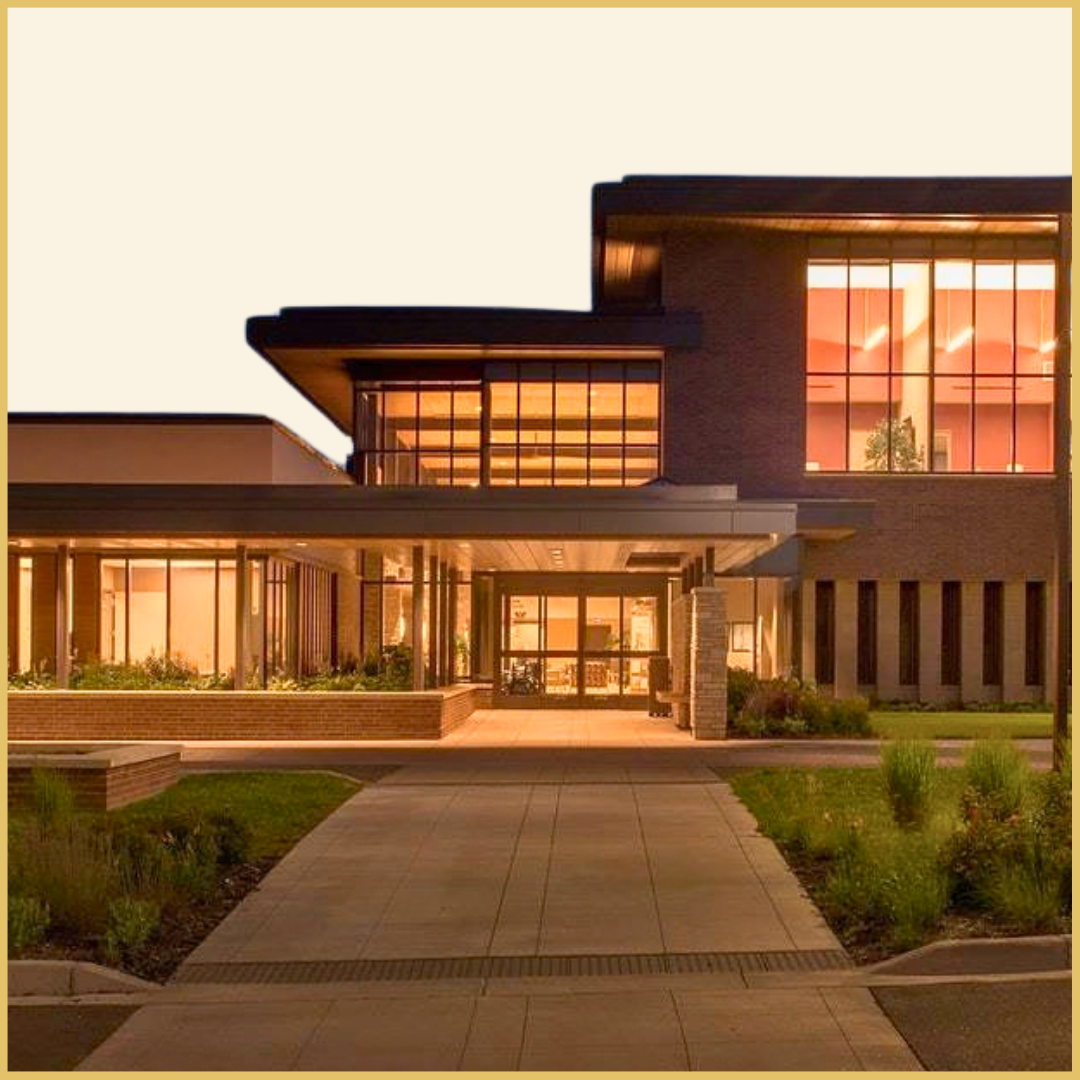
Western Wisconsin Health (WWH) is an independent, nonprofit Critical Access Hospital serving rural communities across western Wisconsin. With more than 500 employees, our hospital and clinics help our neighbors receive care locally rather than travel long distances. Our services include primary care, behavioral health, substance use disorder services, women’s health and obstetrics, emergency care, surgery, rehabilitation, lifestyle medicine, and specialty care. We have also expanded access to innovative care such as inpatient dialysis, robotic surgery and advanced diagnostic technology while maintaining a personal, community-centered approach. We believe rural health care is about more than treating illness; it is about strengthening the health and well-being of the communities we call home. We partner with schools, public health agencies, healthcare providers, community organizations and local leaders to identify challenges and develop solutions.
We are especially proud of our Community Paramedic Program (CPP), developed in partnership with local EMS and community paramedics. The program represents what rural health care does best: identifying a need, bringing the right partners together, and creating a practical solution that meets people where they are. The CPP provides in-home support, health assessments, education, care coordination, and connections to appropriate resources. These services help people remain healthier and avoid unnecessary emergency department visits or hospitalizations. The program shows that innovation does not always mean bringing the newest technology into a hospital. Sometimes innovation means looking at an existing resource—our highly skilled EMS professionals—and finding new ways to leverage their expertise to improve access and outcomes.
One of the most rewarding experiences for our organization has been seeing our Birth Center grow while other rural birth centers in the region have closed. In 2015, we delivered 43 babies; in 2025, we welcomed 433—a tenfold increase in a decade. That growth reflects our community’s trust and our commitment to keeping maternity care close to home. It allows families to receive prenatal, labor and delivery, postpartum, and newborn care from a team that understands their needs and knows their community. Our staff provides care that is both clinically excellent and deeply personal. Every baby we welcome reminds us why investing in rural maternity care matters.
The Power of Rural is the power of relationships. We work together toward a common goal: a healthier community. When we identify a need, we do not simply ask, “Who can help?” We ask, “How can we work together to solve this?” To us, the Power of Rural reflects our belief that rural communities are worth investing in and inspires us to innovate, collaborate, and deliver excellent care with compassion.
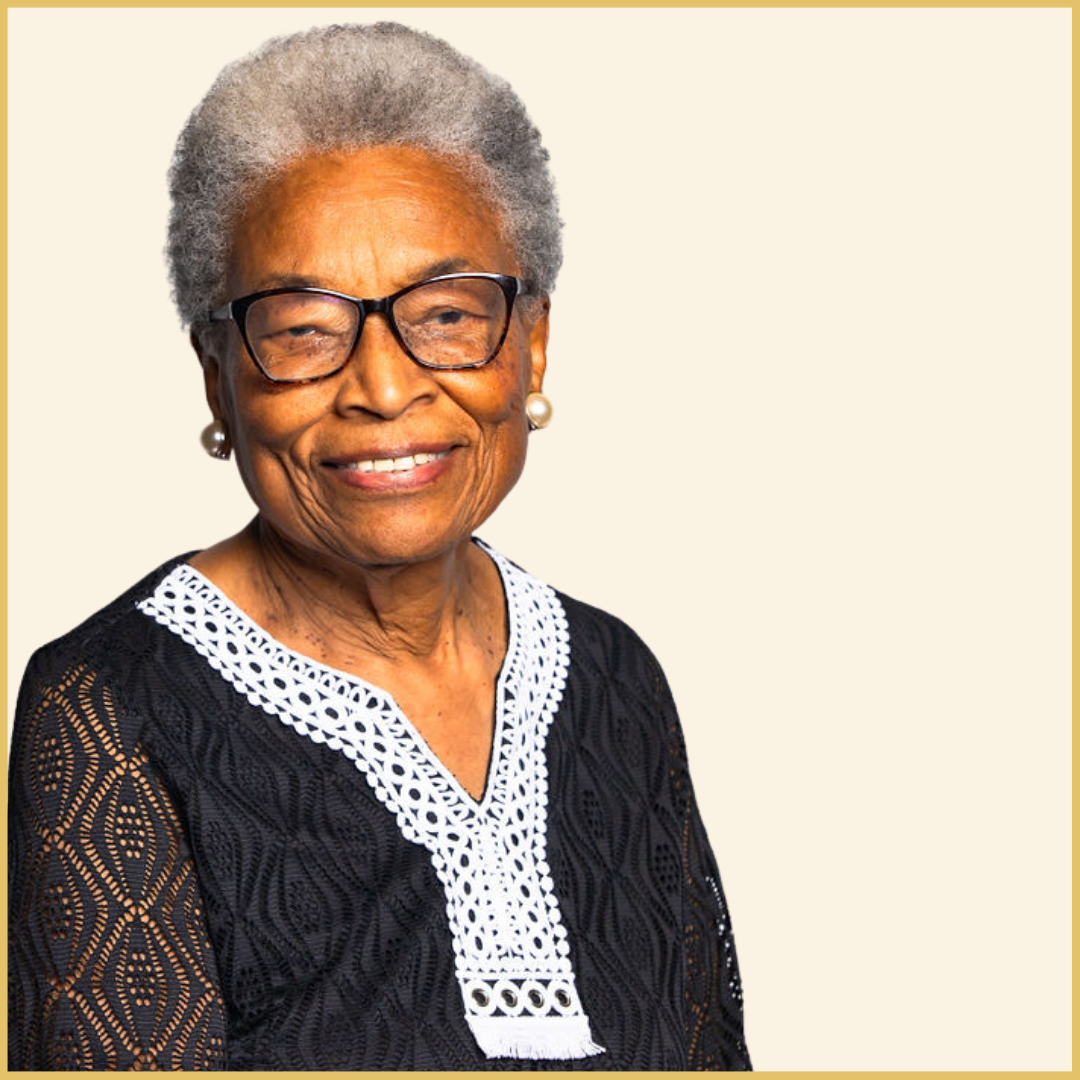
Through the Eva Clayton Rural Food Institute, I advocate, educate, and promote the equitable production and consumption of healthy food for rural communities. We identify resources and build connections for small farmers and food-insecure families.
We primarily serve rural communities in eastern North Carolina. Many are considered Tier 1 counties and face poverty, limited educational and employment opportunities, and shortages of healthcare providers and hospitals. Many of our youth must leave to find good jobs. Despite these challenges, the people are resilient and care deeply for their neighbors.
Through our parent organization, Green Rural Redevelopment Organization (GRRO), we have provided healthy food to residents in 11 rural counties. We have worked with the Kerr-Tar Regional Council of Governments to engage local governments, farmers, and health departments in promoting and expanding healthy-food policies. Other valued partners include the BlueCross BlueShield of North Carolina Foundation, Farm Sanctuary, and the Center for Environmental Farming Systems.
My desire to help people with health issues was shaped by my early career desire to become a missionary doctor. Although that did not happen, my opportunity to become involved in rural health began with the assistance of Dr. Jim Bernstein. With his guidance, I directed the development of HealthCo in Soul City, Warren County—one of the first rural health centers in the country and the first in North Carolina.
My work with the Haliwa-Saponi Tribal community through our Sweetgrass Plates program and the Eva Clayton Rural Food Institute's Gardens for Everyone project has been especially rewarding. Through Sweetgrass Plates, we provided nutrition education, recipe demonstrations, and ingredients participants could take home. Rather than condemning people for eating "unhealthy foods," we encouraged them to try new foods and prepare traditional dishes in new ways. We also provided more than 50 garden boxes and soil so community members could grow their own food. In both programs, participants learned to take greater responsibility for their health and the health of their families.
We are a small research and policy center founded in 2022 and devoted to providing evidence and support for health policy changes that better serve Hawaiʻi’s rural populations. We are particularly interested in the lived experiences of rural communities and providers and how to improve their health and well-being.
Because we are a research center, we do not serve a single community but rather rural Hawaiʻi, American Samoa, and the Commonwealth of the Northern Mariana Islands as a whole. Each community has its own strengths and expertise, but one commonality is the “Aloha Spirit.” Our communities are welcoming and open with their stories, providing not only the facts we need for evidence but also the vehicle for carrying those facts into actionable policy.
In collaboration with the Hawaiʻi Provider Workforce Shortage Task Force, UH RHRPC developed a policy brief to educate state lawmakers about the potential implications of Senate Bill 1035, which proposed a general excise tax exemption for healthcare services. The bill passed the Hawaiʻi State Legislature and was signed into law as Act 47 on June 3, 2024. This effort succeeded because the Task Force helped lawmakers understand how tax reform could improve access to care, particularly in rural communities, and strengthen the economic viability of healthcare providers.
When UH RHRPC was founded, our priority was hearing directly from rural communities on their home islands about their health needs and concerns. Through site visits and listening sessions, we learned that transportation and travel were significant barriers to care. We completed the Impacts of Transportation and Travel Access on Rural Health project and were thrilled when some of its policy options came to fruition through federal Rural Health Transformation Program funding. It was very rewarding to see preparation meeting opportunity and creating success.
Rural communities are places where change can begin and inform broader social, economic, and health care systems. Too often, policymakers create solutions for urban environments and then try to downsize them to fit rural areas, only to find they do not work. We believe it is better to start small and grow that solution for a larger environment, adapting as it grows rather than squeezing something into a space it was never designed for.